
Last updated November 15, 2026
 Whole-home duct cleaning
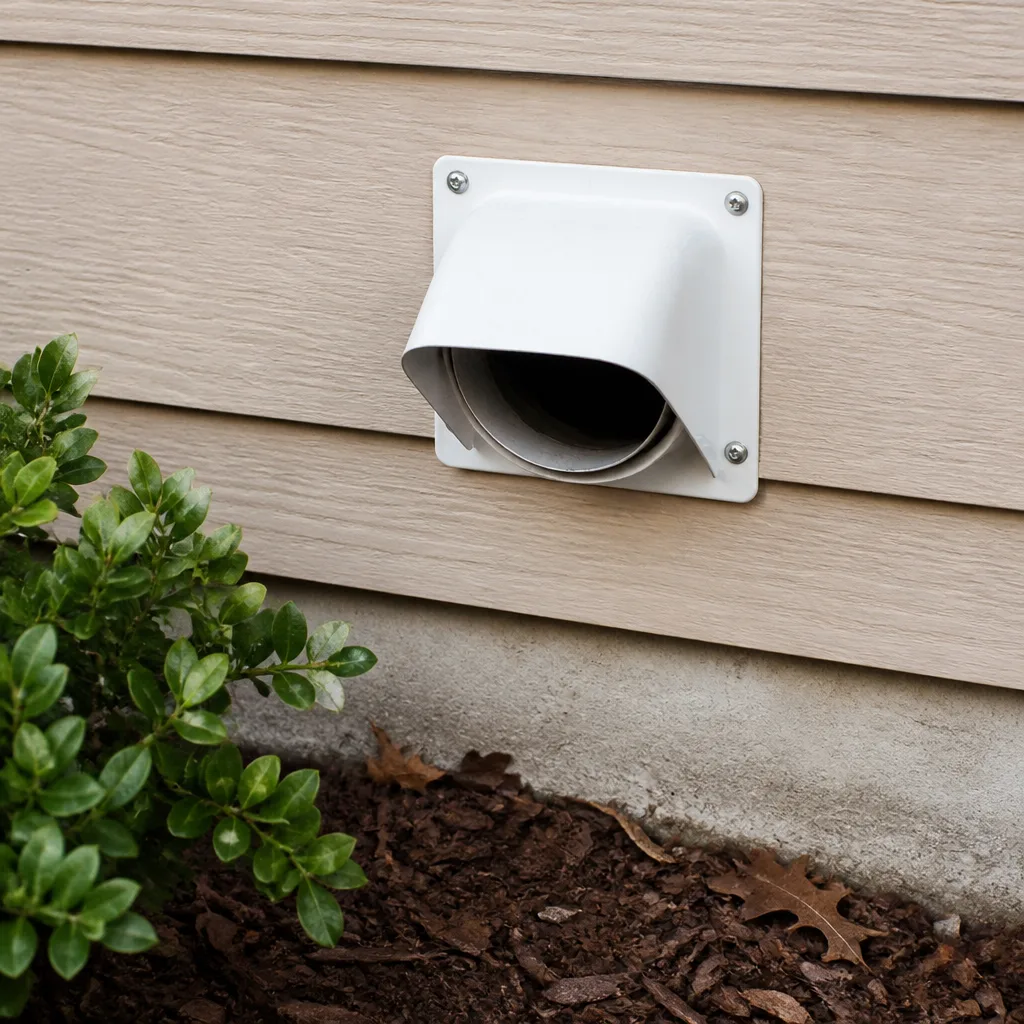 Dryer vent cleaning
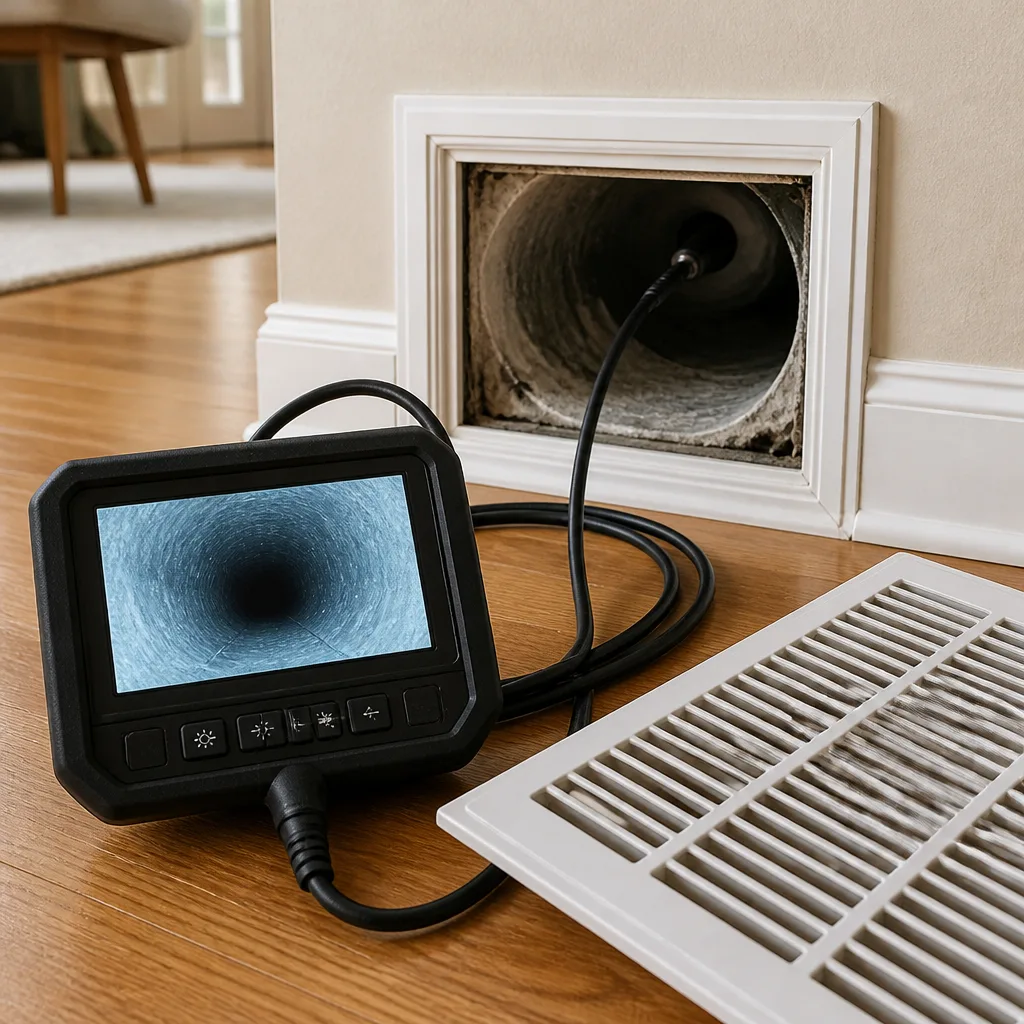 Camera inspection
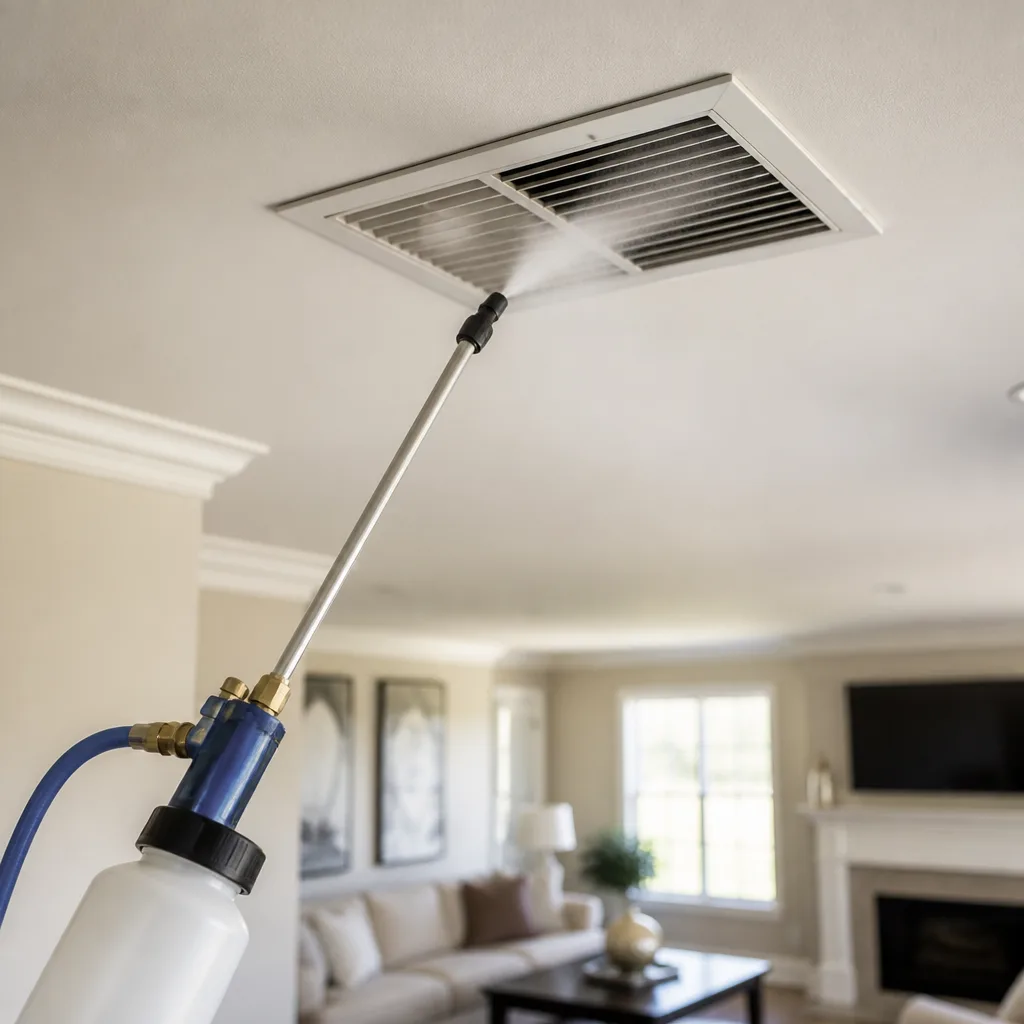 Sanitizing & deodorizing
Whole-system duct and dryer vent check with before-and-after photos - you see exactly what came out of your vents
That "$99 whole-house special" is a bait ad - the real number appears once they are in your hallway, or the "clean" is a shop-vac at the register. We photograph the inside of your ducts before and after instead.
Seasonal Air Duct Cleaning Care for Tempe: Year-Round Homeowner’s Guide
Most Tempe homeowners treat duct cleaning as a once-and-done errand, something you schedule when the house starts smelling stale and then forget about. That approach misses the real variable: timing. A duct system in Tempe doesn’t face four equal seasons. It faces a dust-heavy spring, a punishing pre-summer ramp, a humid monsoon window, and a deceptively gentle shoulder period that lulls people into skipping maintenance right when it matters. Clean at the wrong point on that calendar and you’ve either cleaned before the hardest run or waited until a full monsoon season’s particulate has already cycled through every room. This guide walks through what Tempe’s climate is actually doing to your ducts month by month, which cleaning windows pay off, and how to adjust your habits so the system stays ahead of the load instead of always catching up.
Quick Answer
The highest-value time to clean air ducts in Tempe is late April through May, right before the system runs at peak load for summer. A second inspection after monsoon season (late September) catches moisture that can colonize flex duct, and filter changes should follow actual dust and humidity conditions rather than a fixed monthly schedule. Cleaning before the hard run keeps particulate from being distributed through the whole house when the system is working its hardest.
Styles & brands we work with
- Whole-home duct cleaning
- Dryer vent cleaning
- Camera inspection
- Sanitizing & deodorizing
Table of Contents
- Why Tempe’s Climate Doesn’t Have Four Equal Seasons
- Month-by-Month: What Tempe’s Climate Does to Your Ducts
- Why Pre-Summer (April-May) Is the Highest-Value Cleaning Window
- Post-Monsoon Duct Inspection Checklist
- Adjusting Filter Intervals Seasonally, Not by the Calendar
- Shoulder-Season Maintenance (October-November)
- What Professional Equipment Actually Does Differently
- The Dryer Vent Deserves Its Own Seasonal Schedule
Why Tempe’s Climate Doesn’t Have Four Equal Seasons
If you moved to Tempe from a place with a real winter, the mental model of “spring cleaning, fall cleaning, done” probably came with you. It doesn’t fit here. Tempe runs on a different cycle. The spring is a dust-loading phase, not a thaw. The summer is a long, hot stretch where the air handler never really gets a break. Late summer brings monsoon moisture that changes what’s happening inside the ductwork. And the fall is a genuine shoulder period where the system idles more than at any other point in the year.
Each of those phases loads the duct system differently, which means each calls for a different homeowner response. Cleaning in the wrong window doesn’t just waste the effort; it can leave you dealing with the consequences during the exact stretch when you’d rather not.
- Spring (March-April): wind-driven particulate, pollen, and construction dust settle into return grilles and open duct runs.
- Pre-summer (late April-May): the system ramps toward its heaviest run. This is the ideal cleaning window.
- Monsoon (July-August): humidity spikes, storm-driven dust pushes in, and any gap in the duct envelope can let moisture into flex duct.
- Shoulder (October-November): the system runs less, giving you a chance to inspect, repair, and reset before the next cycle.
Seeing the year this way is the foundation for everything below. The good news is that Tempe is a manageable climate for duct maintenance once you stop scheduling around a generic calendar and start scheduling around this one.
Month-by-Month: What Tempe’s Climate Does to Your Ducts
Here’s how the year actually breaks down for a Tempe home. Treat the calendar as a rough guide and adjust for what your own house is showing you.
March and April. Spring in Tempe is windy and dry, and that’s exactly the problem. Airborne dust and pollen load up in return-air grilles and any duct opening that isn’t fully sealed. If you have a pet or live near active construction, the loading is heavier. This is the month to inspect your return grilles rather than clean them – the real cleaning comes next.
May. The system starts running in earnest. Anything still sitting in your ducts now gets distributed through the whole house on the first hot week. This is why May is a better target for professional air duct cleaning than June.
June, July, August. Peak run. Monsoon moisture arrives in July and August. Dust storms push fine particulate into every gap. Humidity is the new variable, and it’s the one most homeowners underestimate.
September. Monsoon load has settled. This is inspection season – specifically, looking for moisture inside flex duct runs before mold has a chance to colonize.
October and November. The system idles more. Airflow feels fine. This is the shoulder window, and it’s the one where it’s easiest to skip maintenance because nothing’s screaming at you.
December through February. Mild. The system runs at moderate load for heating when it’s cool enough, but nothing dramatic. Good window for duct repair work – fixing what inspection found during the shoulder period.
Why Pre-Summer (April-May) Is the Highest-Value Cleaning Window
If you clean your ducts once this year, make it late April. The logic is straightforward: you want the inside of the system as clear as possible right before it starts running at maximum capacity. In Tempe, that peak load arrives in May and doesn’t let up until October. Cleaning before that window means the air your family breathes during the hottest, longest-running stretch of the year is moving through clean ductwork.
Cleaning in this window also lets you catch problems while the system is still cool enough to work on comfortably. Duct repair – sealing seams, correcting crushed or disconnected flex runs – is easier and more thorough when the system hasn’t been pushing hot air for weeks.
Here’s what to have serviced before the peak run starts:
- Full cleaning of the supply and return runs. A professional-grade rotary brush system physically dislodges what dust storms and a winter of light use have deposited.
- Dryer vent clearing. If it’s been more than a year, this is the season to get it done. Dryer vents are a leading cause of residential fires, and it’s easy to forget yours while you’re focused on the AC.
- Duct repair inspection. Any seam gaps, disconnected joints, or crushed flex runs get identified and corrected before they cause airflow problems during peak run.
- Filter evaluation. Confirm you’re running the right filter for your system and change it going into the peak load stretch, not on a fixed monthly schedule.
Our technicians have up to 10 years of experience seeing how much is waiting in ducts at the end of a Tempe spring. The pre-summer window really does make a measurable difference to how the rest of the year goes.
Post-Monsoon Duct Inspection Checklist
Monsoon season is the highest-risk stretch for moisture in your ductwork. The storms themselves don’t usually do damage directly – the issue is what happens when humidity from a monsoon week finds a gap in the duct envelope or a poorly sealed connection in an attic flex run. Once moisture reaches the inside of a flex duct, it can stay there, and mold can begin to colonize.
Catching it early is the whole game. Here’s what a proper post-monsoon inspection looks like, and what you can check yourself before calling anyone:
- Smell every room. A musty, earthy, or wet-dog smell that wasn’t there in the spring is a moisture signal, not a cleaning backlog.
- Check for moisture staining. Look at flex duct near the air handler and at any attic runs. Yellowish or brownish staining on the outside of flex is worth investigating.
- Feel for soft spots and sagging. Flex duct that’s drooping where it used to be taut can indicate that insulation has absorbed moisture.
- Look for condensation on metal boots and plenums. Persistent condensation after monsoon week ends is a sign that duct sealing or insulation has failed.
- Check your filter. A filter that’s gone dark and dull during the monsoon window tells you it was carrying a heavy load. Replace it.
- Note any new airflow or smell patterns room to room. A single room going stale is often the first sign that a run has been compromised.
If anything on that list shows up, get a professional inspection. Duct repair is a named service at Duct Cleaning Tempe because these are exactly the problems we see after a heavy monsoon in Tempe – and the fix is usually correcting the duct seal or run, not cleaning around it.
Adjusting Filter Intervals Seasonally, Not by the Calendar
The standard advice is to change the filter every 30 or 90 days. That’s a starting point, not a rule. In Tempe, actual filter loading swings dramatically across the year, and a fixed interval will leave you either changing a filter that’s still fine or running a clogged one for weeks. Either way, the system pays for it in efficiency.
What actually drives filter loading in Tempe:
- Spring dust season (March-April) loads filters fast. A filter that would last three months in another climate can be heavy with dust in six weeks.
- Monsoon dust storms in July and August push sudden, heavy particulate into the return. Expect to check the filter right after any significant storm week.
- Peak summer AC run pulls maximum air through the filter every day. High airflow means filters reach capacity faster than they would at low run hours.
- Shoulder season (October-November) is when run hours are lowest. A filter that went in during spring is probably due to be swapped now regardless of the calendar.
- Pet hair and household size change filter loading more than the season does. A three-pet household in Tempe should check the filter more often than the calendar says.
The practical rule: check the filter monthly, replace when it’s actually loaded (hold it up to light – if you can’t see through it, it’s done), and don’t go by the printed interval alone. Post-cleaning, we often recommend upgrading to a higher-quality filtration system, and we work with Honeywell and Aprilaire equipment because the right filter is what keeps clean ducts clean.
Shoulder-Season Maintenance (October-November)
October and November are the months when everything feels fine. The AC isn’t running hard. The house smells normal. Airflow is steady. That comfort is a trap, because these are the exact weeks when the system is quiet long enough for you to get real work done – and quiet enough that any problem has time to get worse before the system runs hard again.
Think of the shoulder season as the reset window. Here’s what to do with it:
- Inspect the whole duct envelope. Any sealing or repair issue found in October is fixed while the system isn’t fighting you.
- Book duct repair if the post-monsoon inspection flagged anything. Shoulder season gives repair work room to happen without disrupting comfort.
- Clear the dryer vent if you haven’t done it recently. Shoulder season is a natural point for this – it’s easy to forget otherwise, and the fire risk doesn’t take a season off.
- Change the filter going into the cooler months. Reset the filter clock now so it’s ready before the next heating and cooling cycle ramps up.
- Consider a filtration upgrade. If you skipped an upgrade in spring, the shoulder window is when to add a proper filter system so it’s in place before the next peak run.
- Note any rooms that feel cooler or warmer than they should. Uneven airflow during low-run months is often a duct issue, not an HVAC unit issue.
If you do nothing else in the shoulder window, do the inspection. It’s the cheapest way to catch a growing duct problem before it becomes a bigger one. A professional dryer vent cleaning in the same visit is almost always worth pairing with it.
What Professional Equipment Actually Does Differently
Duct cleaning isn’t a single product or a promise – it’s a method. The method matters, and it matters most in a place like Tempe where particulate and humidity both load the system in different ways across the year. That’s why we run Rotobrush rotary-brush systems combined with Nikro negative-air equipment: mechanical agitation plus negative pressure. The rotary brush physically dislodges material from the duct walls, and the negative-air machine captures it at the source rather than blowing it into the room. This is a different process from what you get from a shop vac and a promise.
For jobs where the load is heavier or where moisture has been involved, we bring in Abatement Technologies air filtration equipment. That’s the same class of equipment used in professional remediation work, and it lets us contain particulate fully during the cleaning rather than relying on the room to absorb it. Guardsman surface-protection products protect your floors and interiors during the visit.
The reason this relates to seasonal cleaning is simple. If you’re going to clean at the right time of year – the late April window or the shoulder reset – you want the cleaning done properly so the result lasts. A thorough clean with professional equipment in the right season is what makes cleaning once a year actually viable in Tempe. Cleaning with consumer-grade equipment, or cleaning at the wrong time, undercuts both.
We also offer duct cleaning in Tempe as a scheduled service so you can pick the window that works for your home. Same visit can cover duct repair and dryer vent clearing, which means one crew, one visit, and one set of equipment.
The Dryer Vent Deserves Its Own Seasonal Schedule
Duct cleaning usually gets the attention, but your dryer vent has its own risk profile that deserves a seasonal slot on the calendar too. A clogged dryer vent is a leading cause of residential fires. It’s also one of the easiest home maintenance tasks to silently skip, because there’s no visible dirt, no smell, and the dryer keeps running – just a little slower than before. That’s the symptom to watch for: clothes that take longer to dry, or a dryer that feels unusually warm on the outside.
In Tempe, spring dust and monsoon particulate both add to vent loading. The dry, windy spring is a particularly good time to get the vent cleared – right alongside your pre-summer duct work. If your dryer is inside a laundry room rather than a garage, the run to the outside wall can be long, and longer runs load faster.
Ask about a vent check whenever you book a duct cleaning. It’s the same visit, and the risk you’re avoiding isn’t small.
Common Mistakes to Avoid
- Cleaning in June instead of May. By June, the system has already distributed the spring particulate through the house. Clean before the hard run, not after it.
- Skipping the post-monsoon inspection. The monsoon is the highest-moisture window in Tempe. If you don’t inspect after it, moisture has a full year to colonize.
- Following a fixed filter schedule. Tempe’s dust season and monsoon storms don’t care what the calendar says. Check the filter monthly and change it when it’s actually loaded.
- Treating shoulder season as a rest period. October and November are when you catch problems before the next cycle. Skip them and you’ll be catching up in spring.
- Ignoring the dryer vent. It gets ignored because it fails quietly. A couple minutes of checking during a duct visit is worth it.
- Letting a repair recommendation become a note in a report. Air duct repair is a real service, and if a run is compromised, fixing the run is usually the actual answer – not cleaning around it.
- Cleaning the ducts but not the filtration. Clean ducts and the right filter are one system. If you clean but never upgrade the filtration, the ducts will load again faster than they need to.
- Assuming a clean-smelling house means clean ducts. The monsoon moisture problem and the shoulder season gap don’t always announce themselves. Inspection timings matter more than smell does.
See the difference
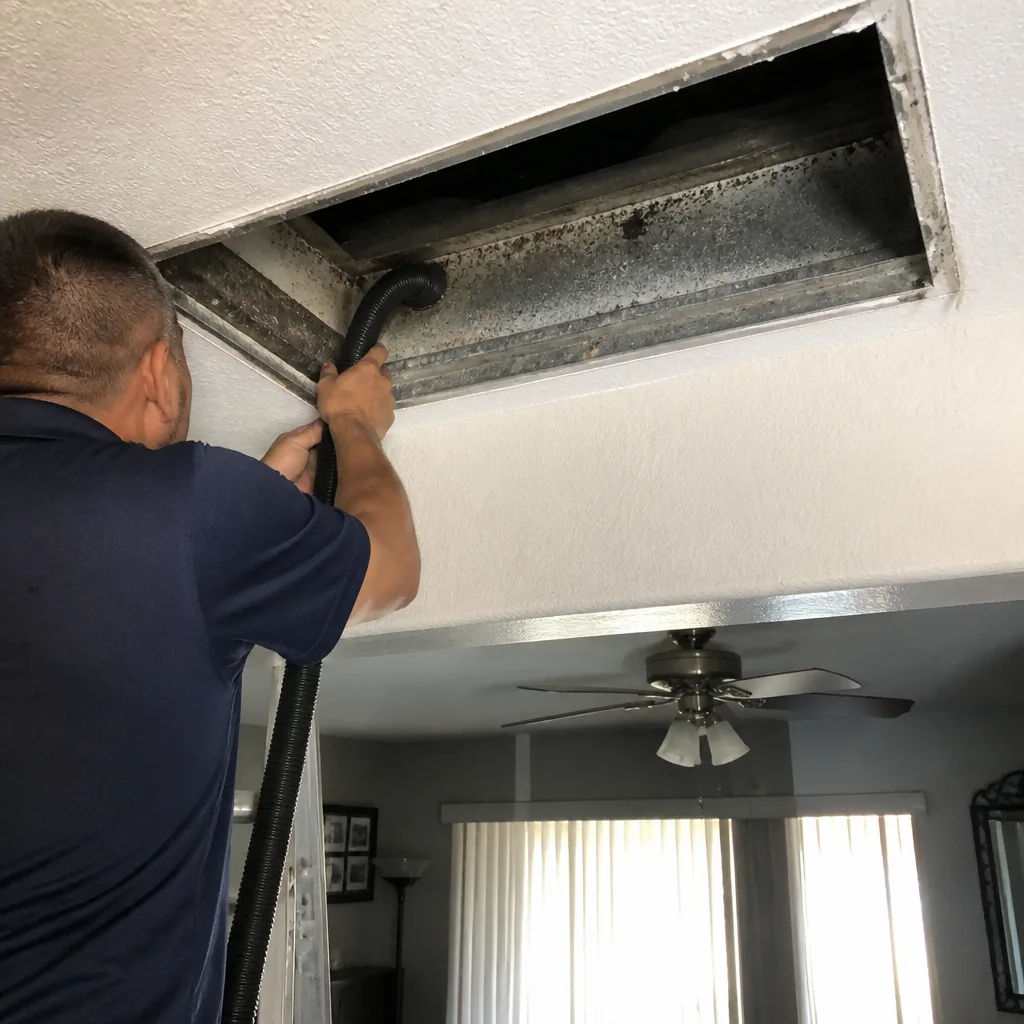 Before
 After
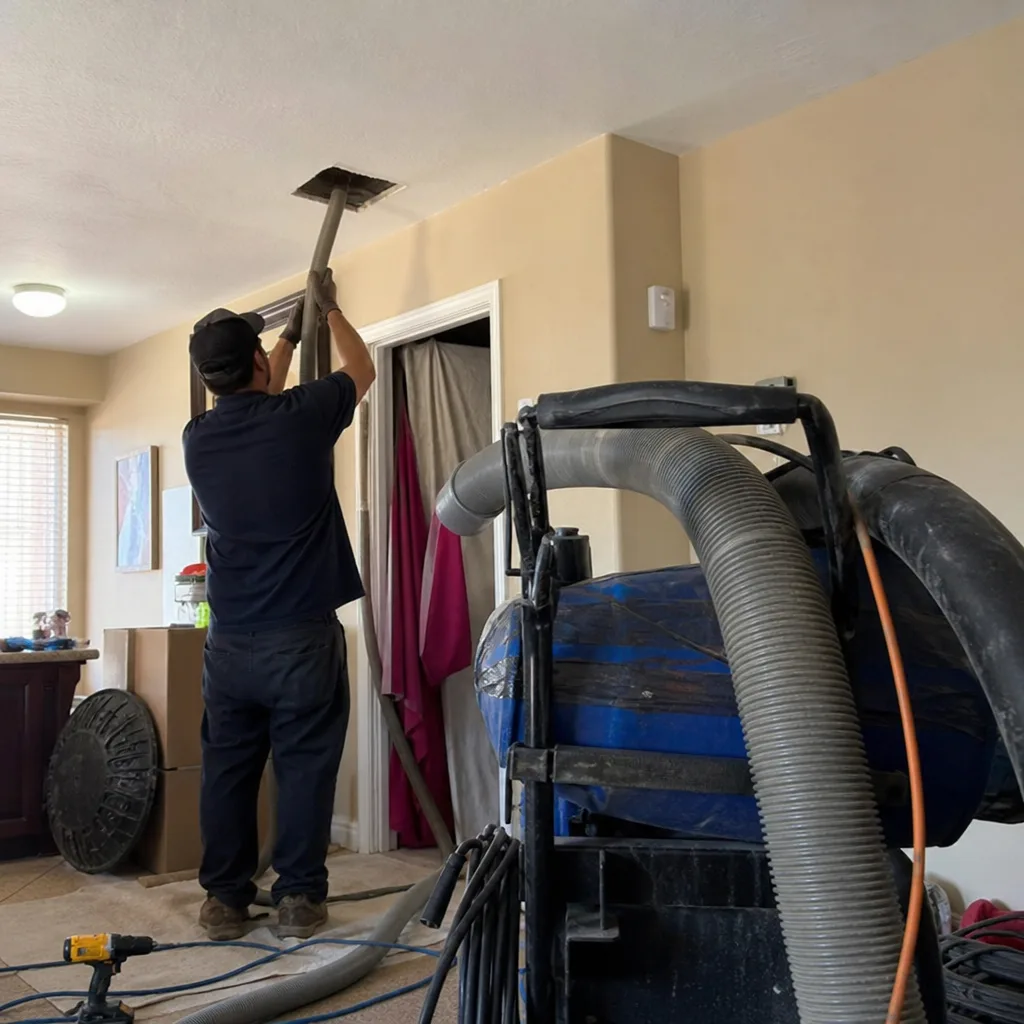 Before
 After
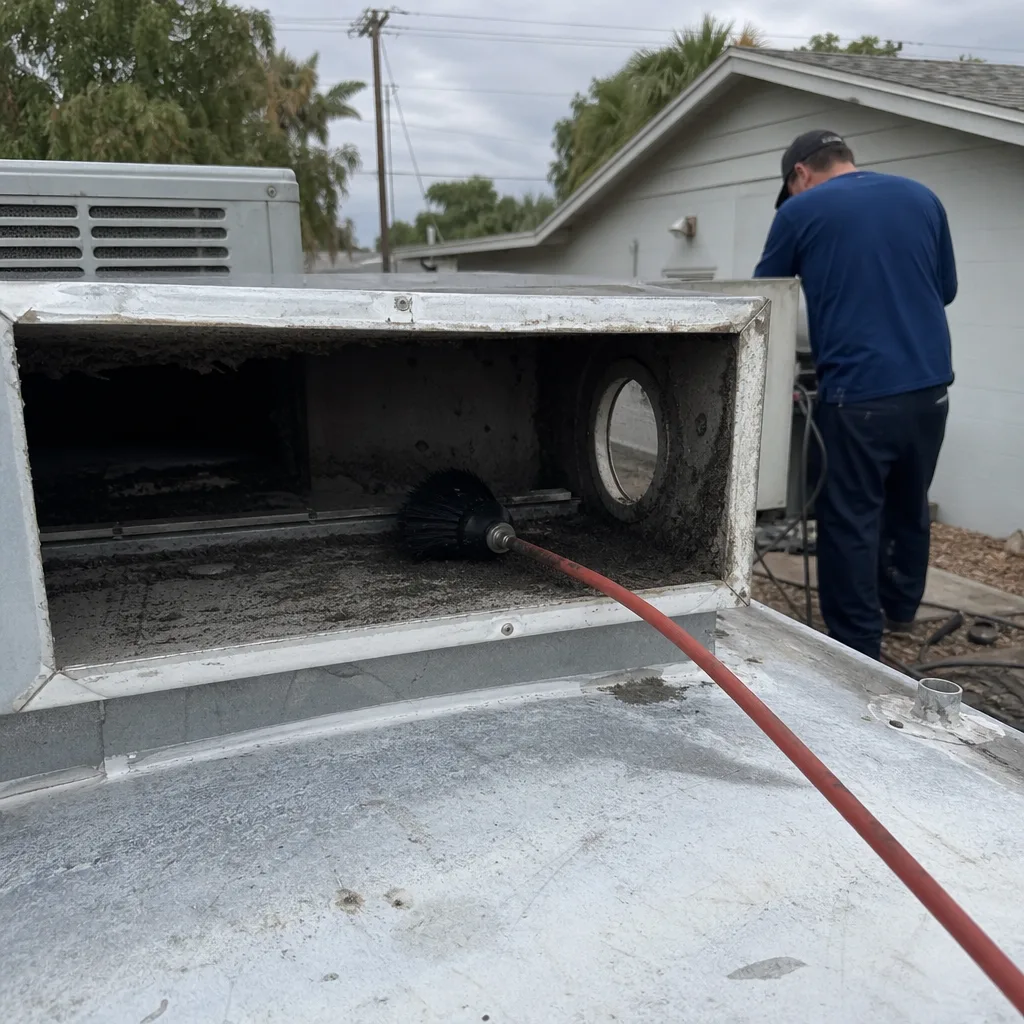 Before
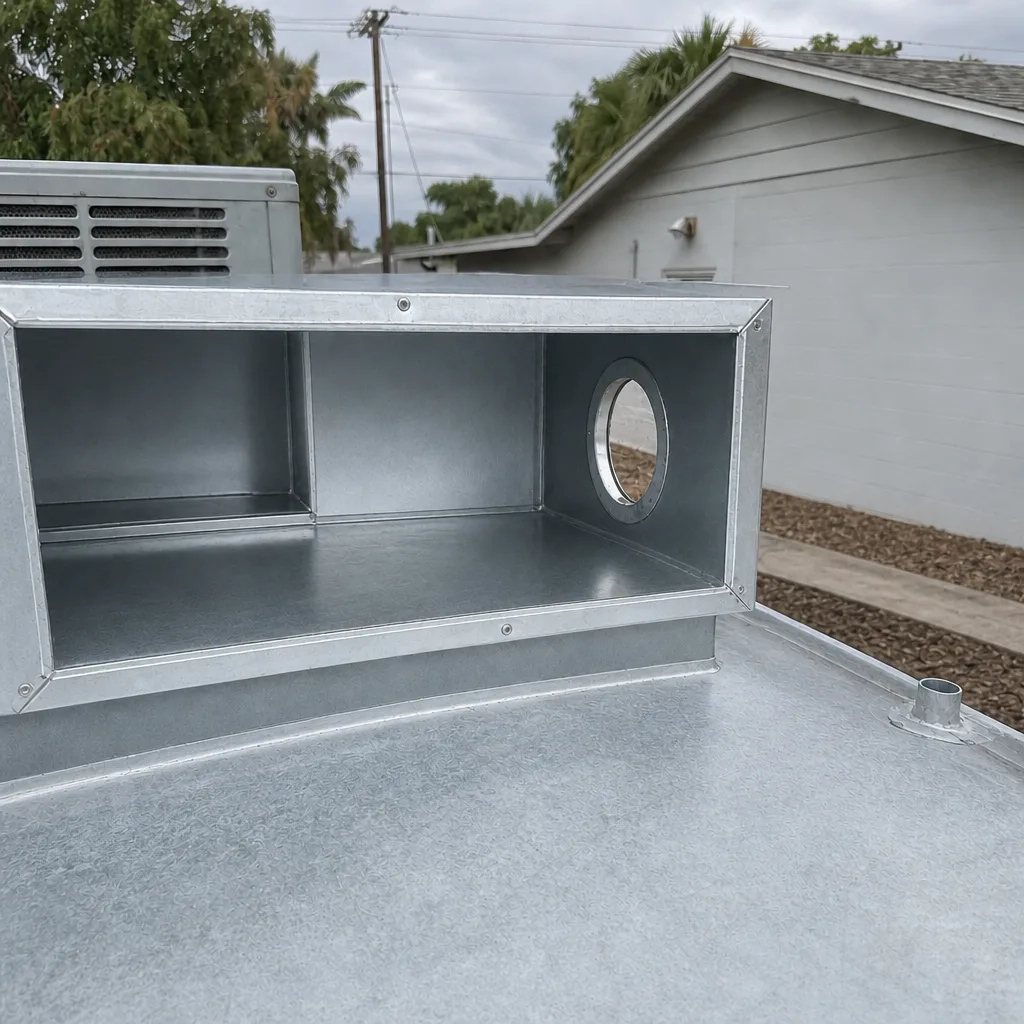 After
When to Call a Professional
If you’re past three years without a duct cleaning and you live in Tempe, it’s easier to have a professional assess the system than to keep guessing. Call if any of these match your situation: a musty or earthy smell after monsoon season; visible dust trails from supply registers; rooms that don’t cool evenly; a dryer that’s taking noticeably longer than it used to; visible sagging or staining on flex duct; or a filter that loads up faster than it should even after you’ve replaced it. We offer free estimates in Tempe – call (866) 261-1801. We answer 24/7. Fast dispatch from 7am to 7pm, Sunday through Friday. Our technicians have up to 10 years of experience and can evaluate cleaning, dryer vent clearing, and duct repair as one scope so you’re not coordinating separate contractors.
Frequently Asked Questions
Once a year is usually right, timed for late April or early May so cleaning happens before the system’s hardest run. Homes with pets, recent remodeling, or heavy spring dust exposure may benefit from a post-monsoon inspection too. Call (866) 261-1801 for an exact quote – estimates are free.
Late April through May. That window sits right before the peak cooling load and after spring dust has settled into the system. Cleaning then means the hot season runs through cleaner ductwork. Call (866) 261-1801 to schedule around that window.
A musty smell, staining on flex duct, condensation on metal plenums, or sagging runs are the main signs. If any of those appear after a monsoon week, get an inspection. Catching moisture before mold colonizes is much easier than fixing it afterward. Call (866) 261-1801 for an exact quote – estimates are free.
DIY duct cleaning with consumer equipment stirs up more debris than it removes, and it can’t reach the full duct run. Professional equipment like Rotobrush and Nikro uses mechanical agitation plus negative pressure – the two-part method that actually dislodges and captures material instead of spreading it. Call (866) 261-1801 for an exact quote – estimates are free.
Yes. Tempe’s spring dust season loads filters faster than the printed interval suggests, so check monthly and replace when the filter is actually loaded. A filter you can’t see light through is done.
It’s worth putting on a schedule. A clogged dryer vent is a leading cause of residential fires, and it fails quietly. Pairing it with a pre-summer or shoulder-season duct visit makes it easy to stay on top of. Call (866) 261-1801 for an exact quote – estimates are free.
The Bottom Line
Tempe’s climate doesn’t give you four equal seasons to plan around. It gives you a dust-loaded spring, a punishing pre-summer ramp, a humid monsoon window, and a shoulder period that looks safe and isn’t. Cleaning ducts in late April or May means the peak cooling run happens through clean ductwork. Inspecting after monsoon catches moisture before it turns into mold inside flex duct. Changing filters based on actual loading beats following the printed interval. And using the shoulder season to inspect, repair, and reset keeps you ahead of the next cycle. The month you choose determines whether you’re cleaning before or after the load. Cleaning well and cleaning at the right time are partners, not separate decisions. Duct Cleaning Tempe offers free estimates in Tempe – call (866) 261-1801. We answer 24/7. Fast dispatch from 7am to 7pm, Sunday through Friday. Our technicians have up to 10 years of experience and can look at cleaning, repair, and dryer vent clearing as one visit.
Written by the team at Duct Cleaning Tempe.