
Last updated November 15, 2026
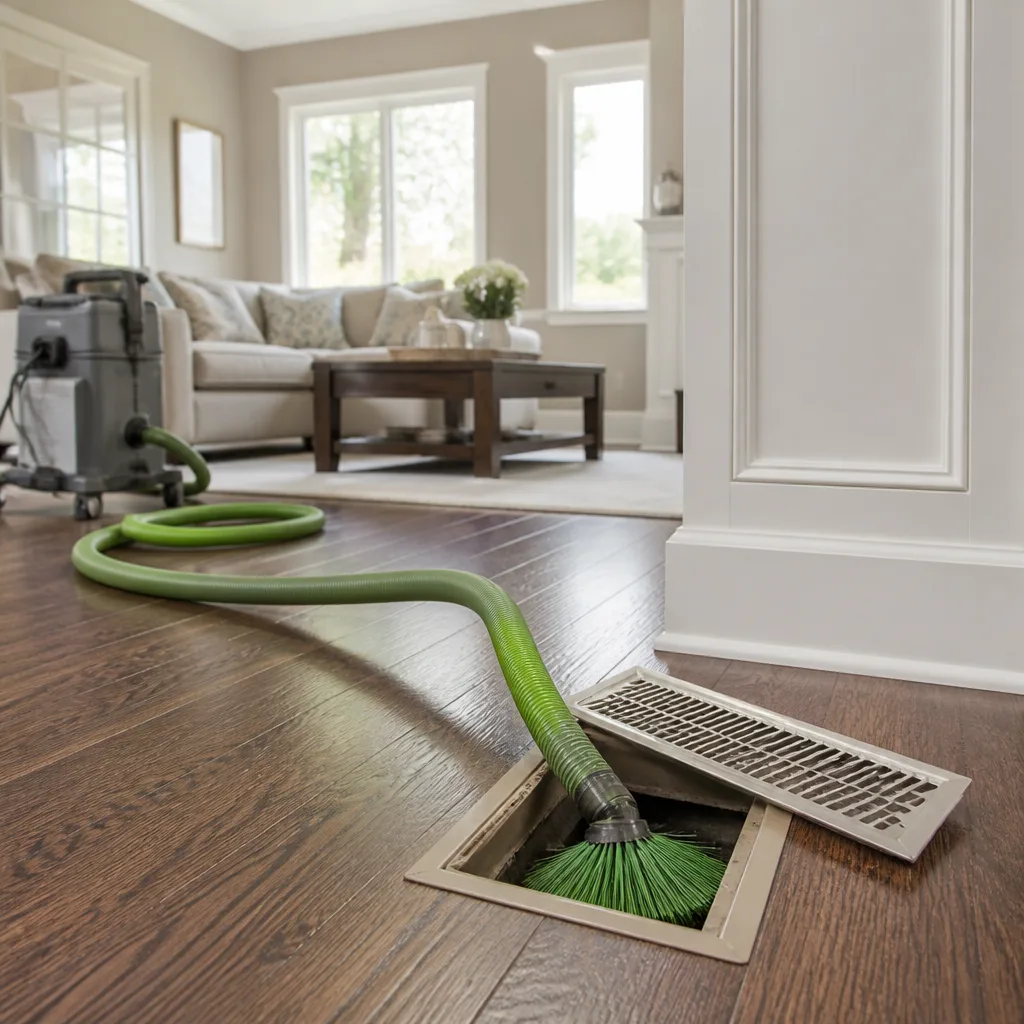 Whole-home duct cleaning
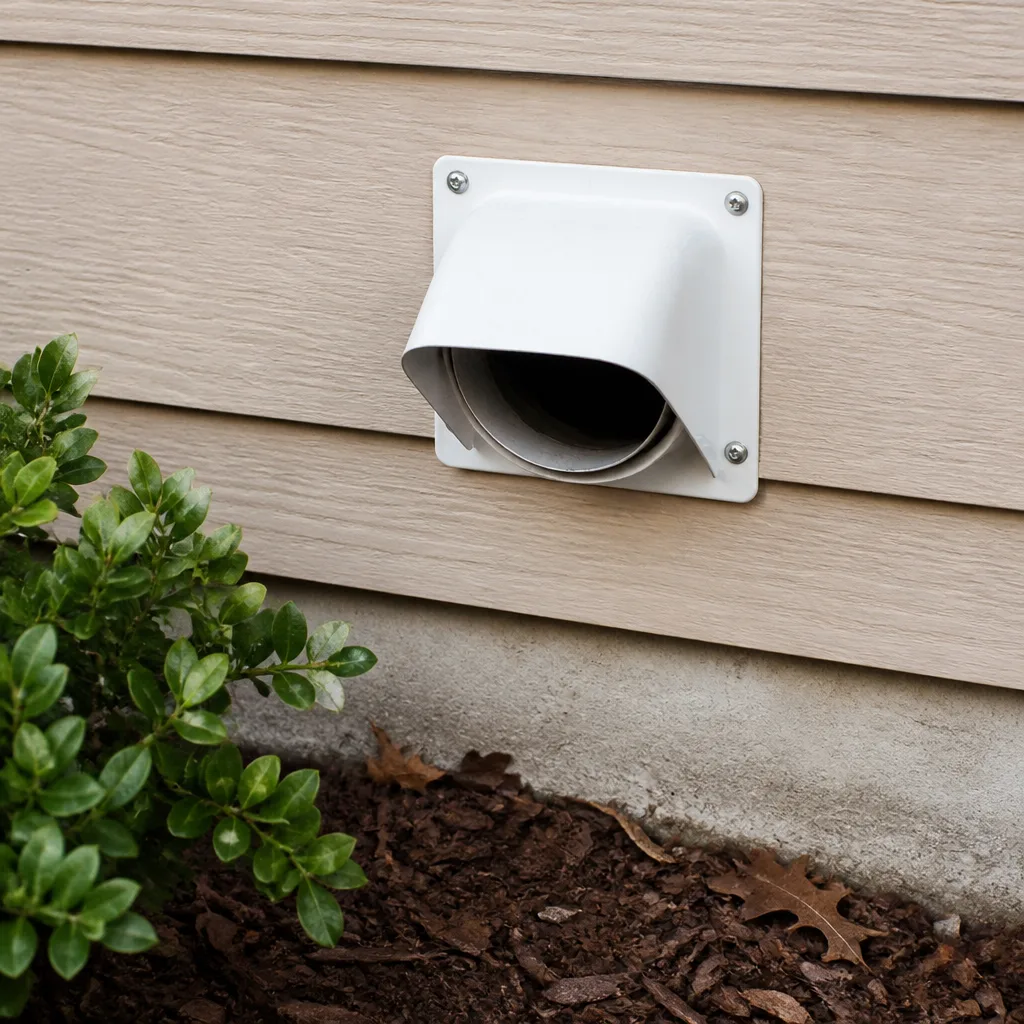 Dryer vent cleaning
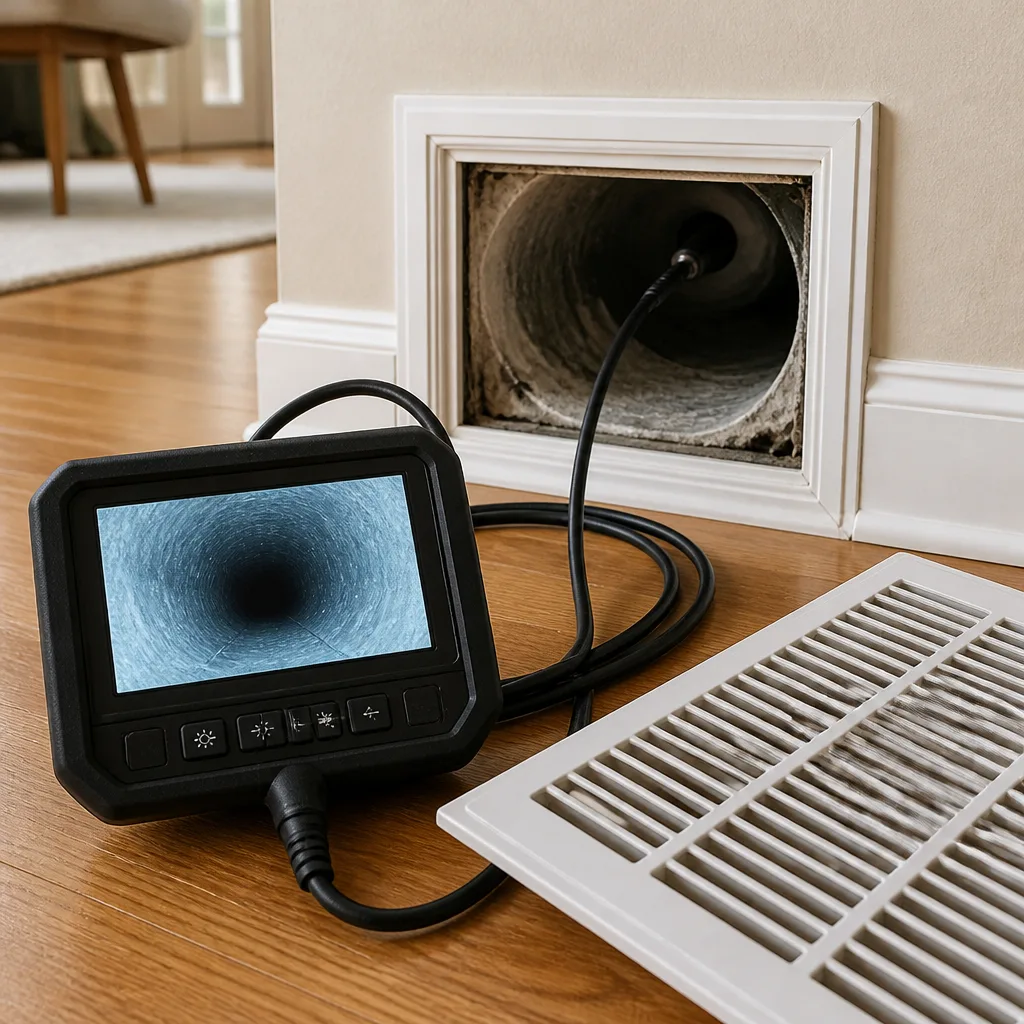 Camera inspection
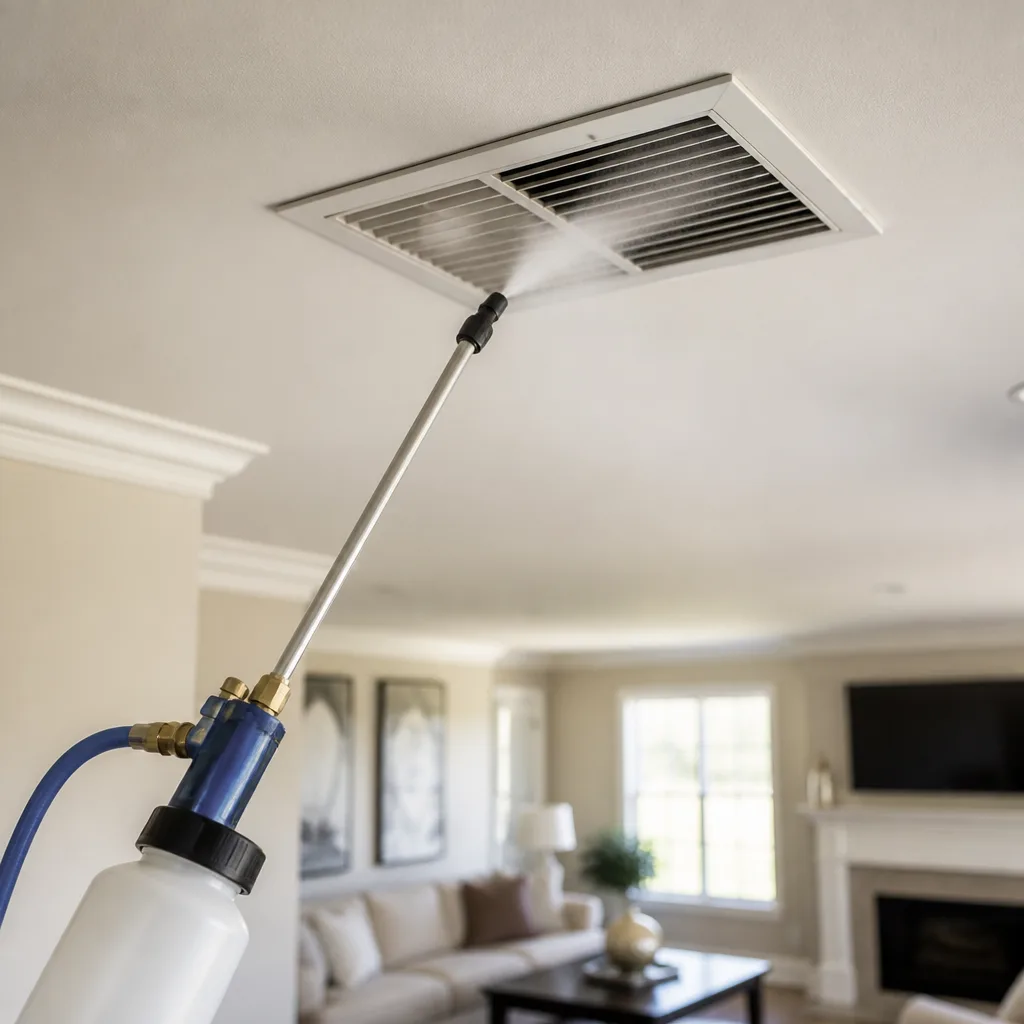 Sanitizing & deodorizing
Whole-system duct and dryer vent check with before-and-after photos - you see exactly what came out of your vents
That "$99 whole-house special" is a bait ad - the real number appears once they are in your hallway, or the "clean" is a shop-vac at the register. We photograph the inside of your ducts before and after instead.
Air Duct Cleaning Troubleshooting in Tempe: Common Problems and How to Fix Them
If a room in your home is 8 or more degrees hotter than the thermostat setting right after a duct cleaning, the cleaning didn’t fail. Something upstream broke, came apart, or was never sealed properly in the first place. That’s the part almost nobody explains before the vacuum comes out of the truck: dust, hot rooms and high bills usually get blamed on dirty ducts, when a good share of them are mechanical failures wearing a dust costume. In this guide, we walk you through how to read your own vents and equipment like a technician would, what each symptom points to, and when in Tempe the fix is a repair rather than another cleaning.
Quick Answer
Most lingering airflow and dust problems after a duct cleaning in Tempe are not cleaning failures. They’re duct restrictions, disconnected segments, leaking returns, or a clogged coil that a vacuum can’t fix. If the symptom persists, the next step is a mechanical inspection of the duct run and the air handler, not a second cleaning pass.
Styles & brands we work with
- Whole-home duct cleaning
- Dryer vent cleaning
- Camera inspection
- Sanitizing & deodorizing
Table of Contents
- What Are the Real Symptoms of a Duct Problem?
- Poor Airflow After Cleaning: Restriction, Disconnection, or Equipment?
- Why Does Dust Come Back 2 – 3 Weeks After Cleaning?
- How Does Tempe Heat Degrade Flex Duct Faster?
- Dirty Duct Problem Versus Dirty Coil Problem
- When Does Duct Repair Need to Come Before Cleaning?
- What About the Dryer Vent?
- Keeping Clean Ducts Clean: Filtration Upgrades
What Are the Real Symptoms of a Duct Problem?
Real duct problems tend to announce themselves through patterns, not single events. A musty smell that only shows up in one room. A bedroom that never catches up to the thermostat no matter how long the system runs. A bill that climbed without a change in how the house gets used. Those patterns point to a specific run of ductwork, which is the frame a technician works from before touching a tool.
The symptoms that matter most in Tempe homes:
- Uneven room temperatures. If one room runs hot and the rest of the house is comfortable, the problem is that branch of ductwork, not the whole system.
- Visible dust streaming from a supply register right after the air handler starts. That’s often a sign of debris sitting in a return or a section that bypasses the filter.
- A musty or stale smell that gets stronger when the AC cycles on. Odor carried by airflow usually lives in the plenum, the returns, or on a damp coil surface.
- Weak airflow at a register you can feel with a hand. Compare registers across the house on the same cycle; the weak one is telling you where to look.
- Excess dust settling on horizontal surfaces in one area. A leaky supply joint near that area is a common cause.
Symptoms that don’t point to ducts at all, and shouldn’t be sold to you as duct problems: refrigerant issues (a system that never gets cold anywhere), thermostat calibration, and undersized equipment for the square footage. Those are HVAC-side. In our experience, half of the “duct cleaning didn’t work” complaints we field are really one of those three.
Poor Airflow After Cleaning: Restriction, Disconnection, or Equipment?
When airflow is weak after a cleaning, the answer is one of three things: a restriction in the duct, a disconnected segment, or an equipment issue at the air handler. You can usually narrow it down in about ten minutes with your own eyes and ears, using steps a technician would follow.
- Compare registers room to room. If every register in the house feels weak, the problem is upstream (blower, coil, or main trunk). If one or two registers are weak, the problem is on that branch.
- Look inside the weak register with a flashlight. You’re looking for a collapsed liner, a physical obstruction, or a duct that’s pulled off its boot.
- Listen at the air handler while it runs. A rattle, a whistle, or a whoosh that sounds “loose” points to a disconnected duct or a poorly sealed plenum.
- Check the filter. A loaded filter, or one with a MERV rating the blower can’t move air through, mimics duct restriction and costs nothing to rule out.
- Look for a disconnected segment in the attic or crawlspace if you have safe, visible access. A duct that’s slipped off a collar is a common source of both lost airflow and dust.
If all five come up normal, the issue is likely equipment side: a coil that’s clogged with debris, a blower wheel loaded with dust, or a system that was never sized right for the home. That’s the point where a duct-centric service needs to say so rather than sell another cleaning. Our own approach is negative-pressure cleaning with a Duct Cleaning Tempe scope, and if we find a mechanical failure we say it straight and quote the repair separately.
Why Does Dust Come Back 2 – 3 Weeks After Cleaning?
Dust reappearing two to three weeks after a cleaning is almost always a bypass leakage problem at the air handler, not a cleaning failure. Air is being drawn into the system from the attic, garage, or an unconditioned space past the filter, carrying dust straight into the ducts. The cleaning worked. The envelope around the equipment didn’t hold.
Where bypass leakage usually lives in a Tempe home:
- Filter slot gaps. A filter that sits loose in its frame lets unfiltered air pass around the edges into the return. That air is full of attic dust.
- Return plenum seams. The box connecting the return to the air handler is often built with taped joints or mastic that’s dried and cracked over time.
- Cabinet penetrations. Every wire, pipe, and refrigerant line that passes through the air handler cabinet is a potential gap. Gaps get sealed.
- Attic-side duct boots. A poorly sealed boot at the ceiling plane pulls attic air into the supply stream.
- Return duct connections in the attic. Flex return runs often come apart at the collar with no visible sign from inside the house.
A technician confirms bypass with a simple smoke test or by feel during a cycle. The fix is mechanical: sealing the gaps with mastic or foil tape rated for HVAC, tightening the filter frame, and where appropriate moving to a properly sized filter cabinet so the filter can’t draw around itself. Once the bypass is closed, the dust load in the ducts stays where it belongs. In our experience, this is the single most common “cleaning didn’t work” call we get, and the repair is usually small.
How Does Tempe Heat Degrade Flex Duct Faster?
Tempe’s extreme heat ages flex duct faster than cooler climates because the attic runs at temperatures well above the outdoor air temperature, and the plastic liner inside flex duct breaks down under prolonged heat exposure. Once the liner tears or flakes, fragments of it end up in the airstream and land in the duct, at the register, and on your floors. Homeowners often read those fragments as dirt or “construction debris” when they’re actually pieces of the duct itself.
What to look for from a register, without crawling into the attic:
- Shine a flashlight up the boot. A silver inner liner that’s peeling or flaking is failing.
- Look for a fine metallic-flake dust at the register or on nearby surfaces. That’s not dust; it’s liner material.
- Watch for a “collapsed” duct. Flex duct that has sagged under heat can pinch itself shut at a bend, which reads as weak airflow at that register.
- Feel for hot air at the register when the system is in cooling mode. That usually means an uninsulated run or a detached outer jacket.
- Note any “whistling” at a register; a crimped liner can whistle as air squeezes past it.
None of that requires getting into the attic in July. If you see any of these signs, the answer is air duct cleaning paired with a repair scope, not cleaning alone. Rotobrush rotary-brush equipment is the right tool for agitating what’s stuck to duct walls, but it doesn’t repair a liner. That’s a Tempe reality worth planning around: the heat isn’t going anywhere, so a duct system is a wear item here in a way it isn’t in cooler markets.
Dirty Duct Problem Versus Dirty Coil Problem
A dirty duct problem and a dirty coil problem look almost identical from the thermostat. Both cause weak airflow, higher bills, and a house that never quite reaches setpoint. The difference is where the restriction physically lives, and treating one when it’s actually the other costs you twice: once for a cleaning that doesn’t fix the symptom, and once for the correct service later.
How the two diverge:
- Dirty ducts show up as debris in the airstream, musty smells, and dust at registers. Airflow is often mostly fine.
- Dirty coils show up as reduced airflow and reduced cooling capacity across the entire house. The coil is the heat-exchange surface, and when it’s clogged, the system can’t move the BTUs it was designed for.
- Dirty blower wheel shows up as weak airflow plus a “heavy” or unbalanced sound at the air handler. Dust on the blower vanes throws the wheel off balance.
Diagnosing coil condition requires actually looking at the coil, not just at the duct. That’s where we treat a duct cleaning as an inspection, not a one-pass service. Using Nikro negative-air machines alongside the rotary brush means we’re capturing loose material without cross-contaminating the house, and it also means we can see what’s downstream of the ducts at the coil and blower. If the coil is packed, we tell you. We don’t clean around a coil problem and call it done.
The overlap problem in Tempe is seasonal. A house that ran all summer with a clogged filter is more likely to have both a coil load and duct dust. Fixing one without the other shortens the life of the fix.
When Does Duct Repair Need to Come Before Cleaning?
Duct repair needs to come before cleaning whenever the duct system can’t hold negative pressure or can’t hold the airstream inside its walls. Cleaning a system with an open disconnect, a fully detached return, or a torn liner upstream of the coil just redistributes the problem. The vacuum pulls, the leak lets it back out, and the homeowner sees dust two weeks later and concludes the cleaning was a scam.
Order of operations when a repair is needed:
- Inspect first. Identify every disconnect, tear, or crushed segment in the supply and return runs.
- Seal and reconnect. Reconnect boots, re-tape joints with foil tape rated for HVAC, seal penetrations with mastic, and replace any flex section that’s beyond sealing.
- Contain. Set up Abatement Technologies air filtration equipment so the work area stays under control during repair.
- Clean the system. Rotobrush rotary-brush cleaning with Nikro negative-air capture once the envelope is sound.
- Verify. Check airflow at registers before and after, and provide before-and-after photos so you can see what was actually cleaned.
The sequencing matters because cleaning a broken system is a procedural bug, not a service. This is why we offer Air Duct Repair as a named service rather than handing you a report and walking away. When a repair is genuinely needed, it’s a separate scope on a separate written estimate, priced per job and agreed before any work starts. If the ducts don’t need repair, we say so and we don’t sell one.
What About the Dryer Vent?
The dryer vent is a different system from the air ducts and gets less attention than it should. It’s also a fire risk, not a maintenance afterthought. A dryer vent that’s blocked with lint causes the dryer to run longer, run hotter, and in the worst case, catch lint on fire. If your dryer takes two cycles to dry a normal load, the vent is the first place to look, not the dryer.
Signs the dryer vent needs attention in a Tempe home:
- Loads take noticeably longer than they used to.
- The dryer body gets hot to the touch on the side or top.
- The exterior vent flap doesn’t open fully, or opens weakly.
- You can see lint buildup at the transition duct behind the dryer.
- The lint screen fills fast and the vent hood outside is visibly clogged.
Run a flashlight at the wall connection and the exterior hood. If you see lint packed in either, get it cleared. We handle dryer vent cleaning as a separate scope from duct cleaning, and we do it with the same mechanical method, not a quick blast of compressed air. Skipping this isn’t a duct cleaning problem, but it’s the second thing most homeowners discover once they start looking at airflow in the house.
Keeping Clean Ducts Clean: Filtration Upgrades
Clean ducts are the starting point. The right filtration is what keeps them that way. After a cleaning and any repair, the filter is doing the actual work of keeping new debris out of the airstream, and a filter that’s undersized, loose, or the wrong MERV rating fails at that job every day.
What actually matters on the filtration side:
- Fit before rating. A MERV 13 that sits loose in its frame is worse than a MERV 8 that seals. Air takes the path of least resistance, and that path is around a loose filter.
- Blower capacity matters. Higher MERV means more airflow resistance. Not every residential blower is sized to carry a high-MERV filter. This is a real trade-off, and the right filter for one home is wrong for another.
- Honeywell and Aprilaire cabinet systems are the standard upgrade path when a home needs better filtration than a 1-inch slot filter can provide. They hold a larger filter, which means more surface area, which means better filtration without choking airflow.
- Seal the filter cabinet. Once a cabinet is installed, it has to be sealed the same way the rest of the envelope is sealed. Otherwise the filter does nothing.
We work with Honeywell and Aprilaire equipment because the post-cleaning recommendation should be specific to the home, not a generic upgrade pitch. If a 1-inch filter is doing the job, we say so. If the home needs a cabinet, that’s a mechanical fix with a mechanical reason behind it.
Common Mistakes to Avoid
- Hiring another cleaning to fix a repair problem. If the symptom persists after the first cleaning, the answer is inspection, not a second vacuum. Two cleanings in six months is a tell that the duct system is failing somewhere, not that it’s twice as dirty.
- Ignoring the attic. In Tempe, the attic is where duct death happens. A duct that looks fine inside the house may have a disconnected run or a torn liner above the ceiling. If your technician never looked up there, the inspection didn’t happen.
- Skipping the filter check before calling anyone. A clogged filter mimics duct restriction and costs nothing to fix. Check it before you book a cleaning.
- Trusting a per-vent price. A per-vent price tells you nothing about what the company will actually do inside the duct or whether they’ll look at the coil. One flat price per system, agreed in writing before work starts, is the structure that protects you.
- Cleaning without repairing. A cleaning that doesn’t fix a disconnected segment redistributes dust. Ask, before the cleaning, whether the company offers repair as a named service or just hands you a report.
- Treating the dryer vent as optional. The dryer vent is a fire risk. If the vent isn’t in the scope, ask why.
- Ignoring the coil. Dust at the register and a hot house aren’t always the same problem. If the coil is packed, cleaning the ducts won’t fix the cooling.
See the difference
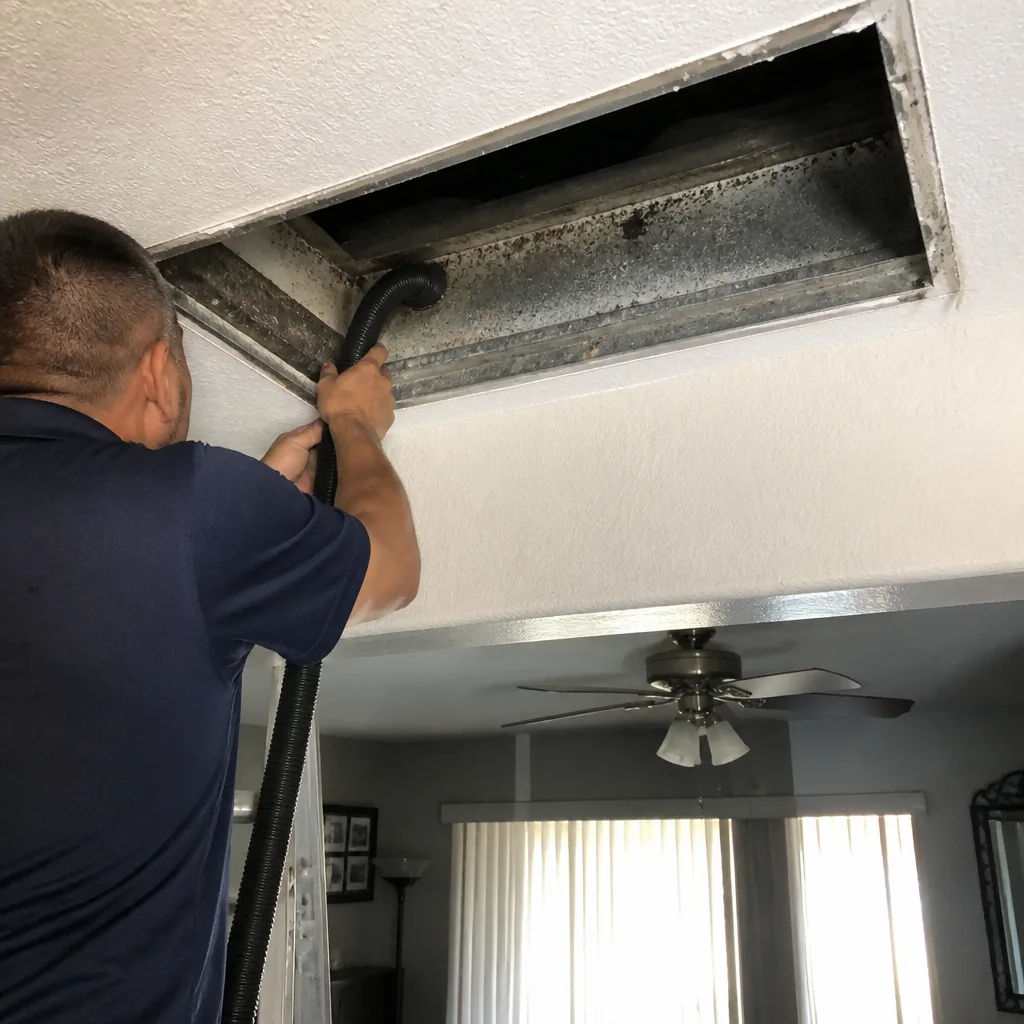 Before
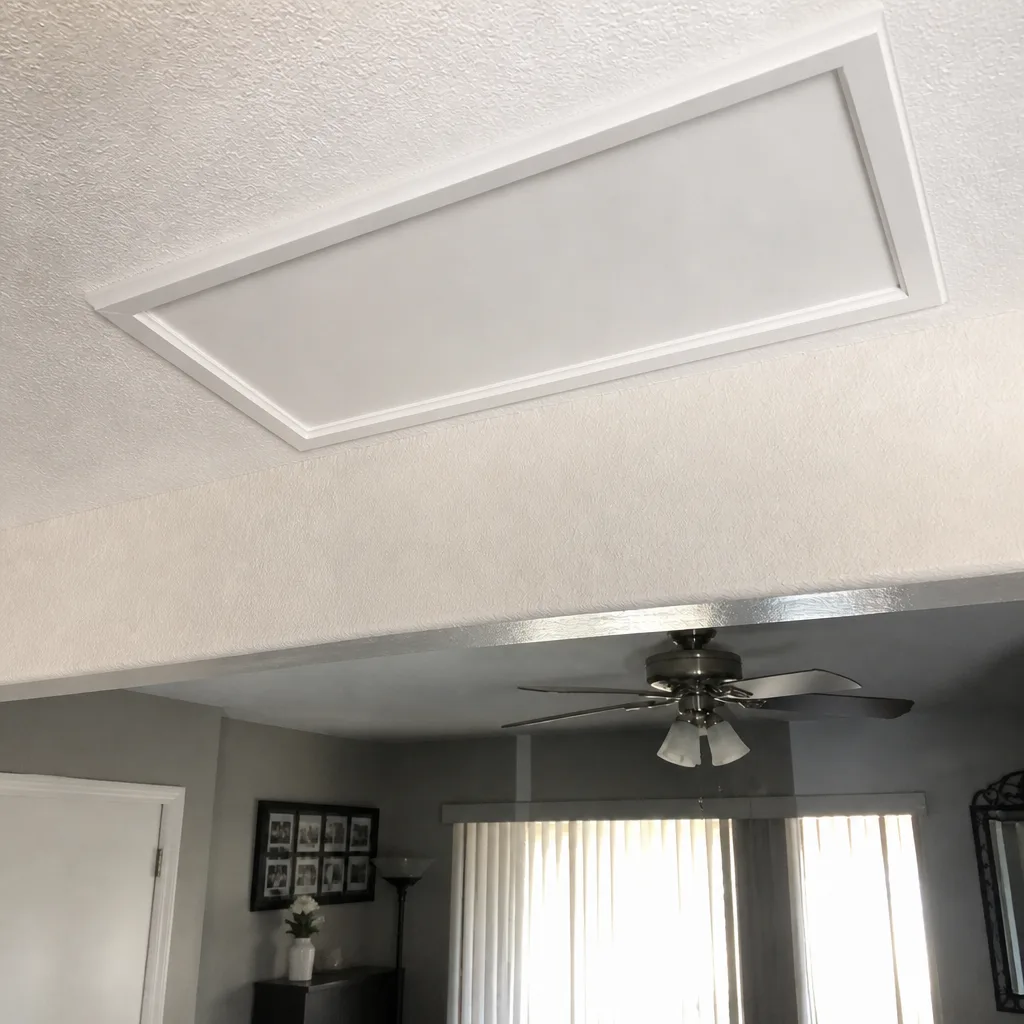 After
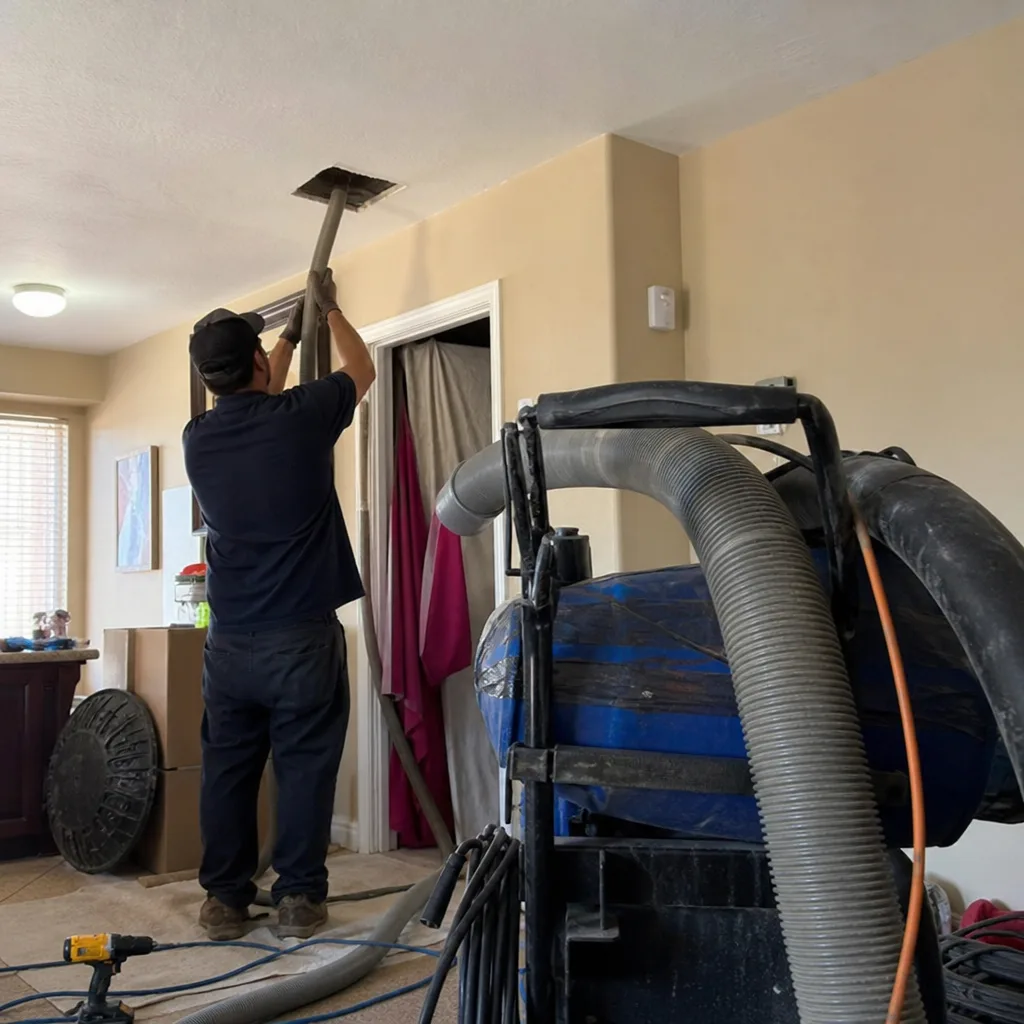 Before
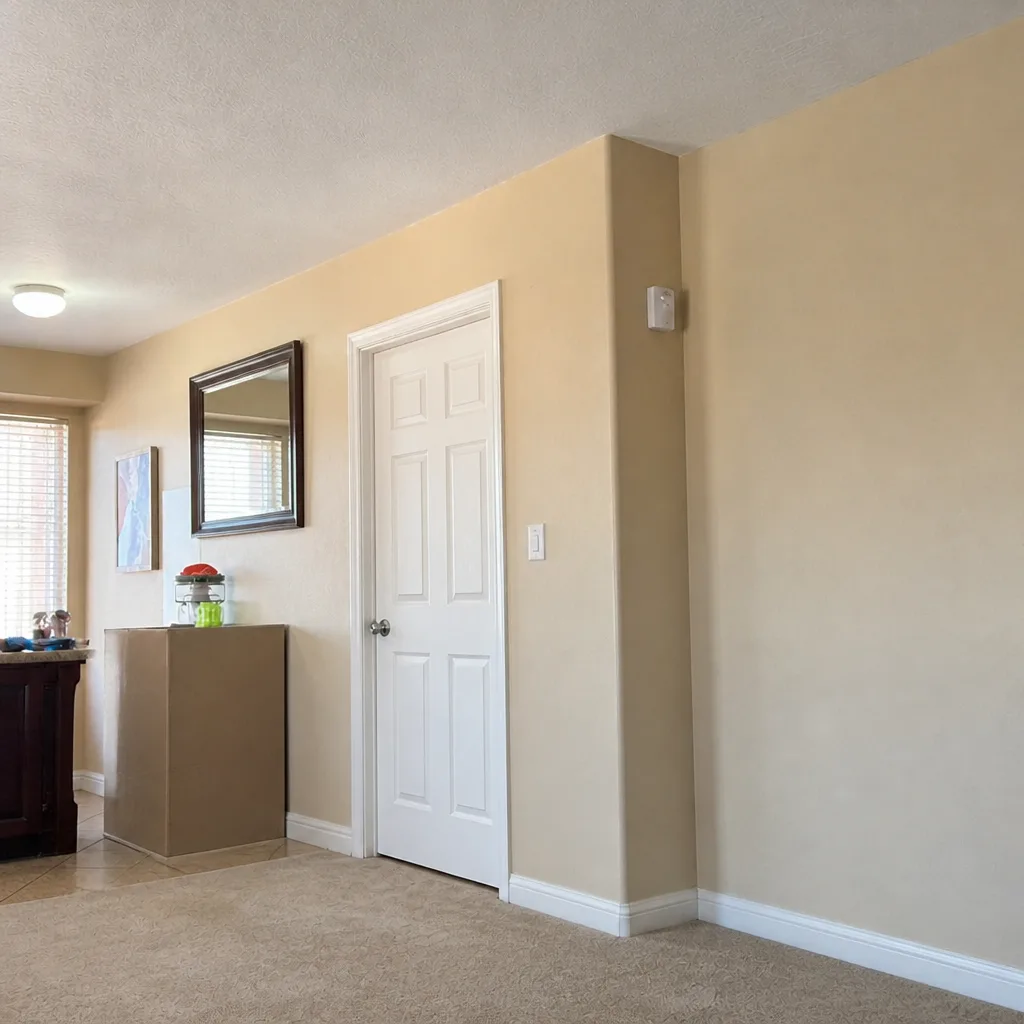 After
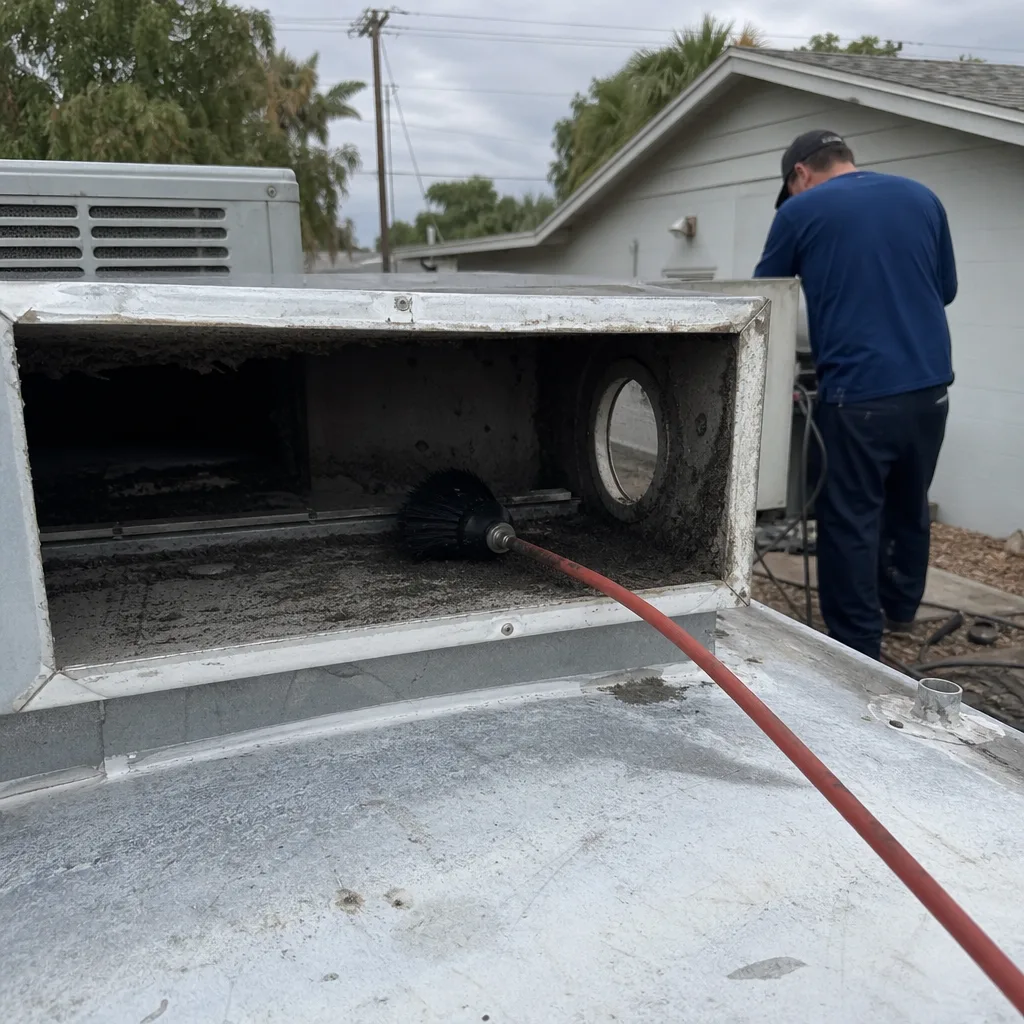 Before
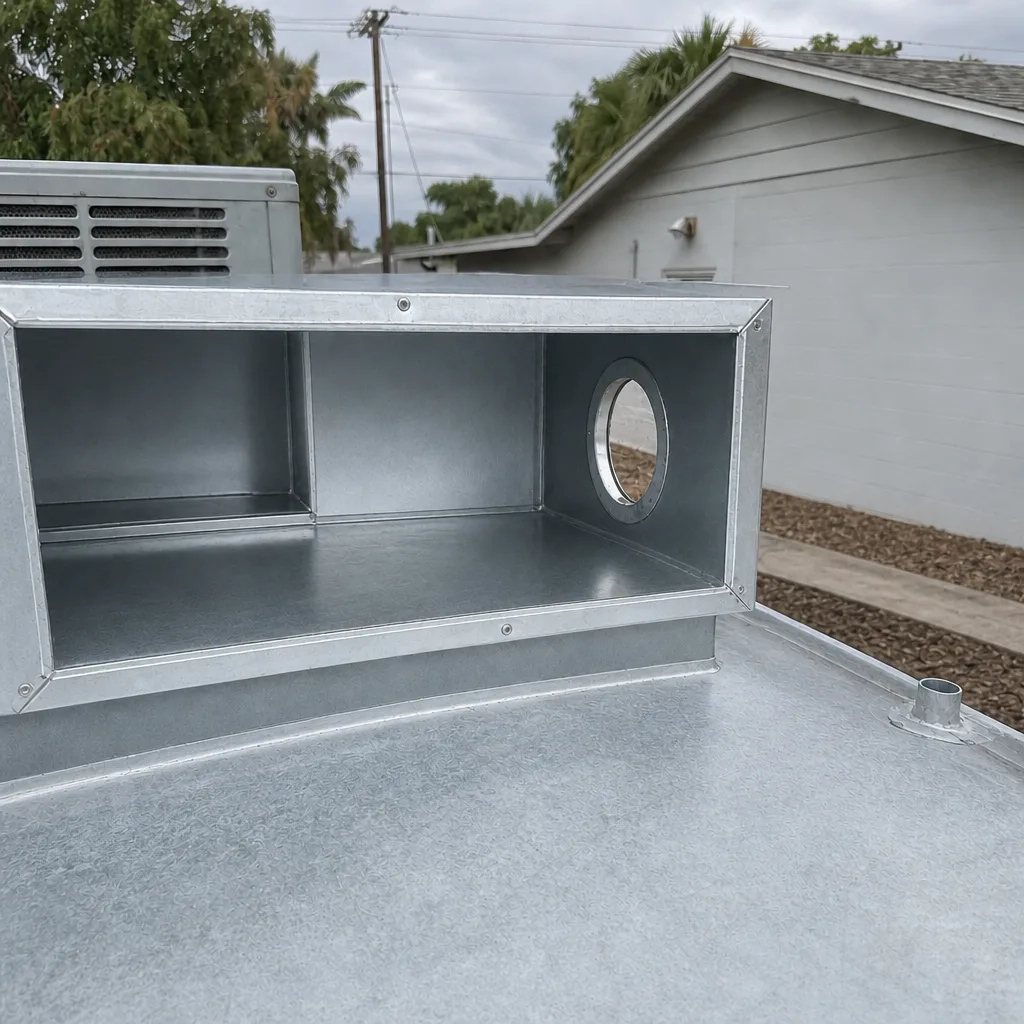 After
When to Call a Professional
Call a professional when a symptom hasn’t cleared after one cleaning, when a room stays 8 or more degrees off the thermostat, when you see liner flakes or metallic dust at a register, when your dryer takes two cycles to dry a load, or when you’ve never had the ducts or dryer vent looked at and something in the house is telling you it’s time. The point of a professional inspection is diagnosis: is this a dirty duct problem, a duct repair problem, a coil and blower problem, or a filtration problem? Those are four different services with four different answers. Duct Cleaning Tempe offers free estimates in Tempe. Call (866) 261-1801. We answer 24/7. Fast dispatch from 7am to 7pm, Sunday through Friday.
Frequently Asked Questions
A typical whole-system air duct cleaning in Tempe runs in the range of a few hundred dollars for a standard single-family home, and the price is set per job by the written estimate after we see the system. Larger homes, multiple systems, and systems with a repair scope are quoted separately. We don’t price per vent, and we don’t quote a teaser number before inspecting. The written estimate sets the final price. Call (866) 261-1801 for an exact quote; estimates are free.
Cheap quotes usually reflect a smaller scope than the sticker suggests: a shop-vac pass at the registers, no rotary agitation inside the duct, no negative-air containment, and no inspection of the coil or duct runs. The customer pays the low number and gets a service that doesn’t move the debris that’s actually attached to the duct walls. The reason we lead with Rotobrush rotary-brush cleaning and Nikro negative-air capture is that it’s the difference between a mechanical clean and a surface touch. If a quote is dramatically lower, ask what’s actually happening inside the duct. Call (866) 261-1801 for a quote that explains the scope.
You should see before-and-after photos of your own ducts, taken during the service, not stock images. You should also be asked to look at the equipment during the job if you want, and the technician should be able to tell you what they found: coil condition, filter condition, any disconnected runs, and whether a repair is being quoted. If the only output is a receipt, that’s a red flag. Call (866) 261-1801 to book an inspection with documented output.
For most Tempe homes, every few years is a reasonable baseline, and homes with pets, recent remodeling, or a duct repair in the mix may need it sooner. It’s not a yearly service for every household, and any company that insists on annual cleaning without inspecting the system is selling a subscription, not a service. The better question is whether the ducts, the coil, the filter, and the duct sealing are all in order. If any of them aren’t, fix that and clean when it makes sense. Call (866) 261-1801 for an honest assessment.
Because the cleaning worked and the bypass leakage didn’t get fixed. Air is being pulled into the system around the filter frame, through return plenum seams, or through cabinet penetrations, carrying attic dust straight into the ducts. The fix is sealing, not another cleaning. Ask for the filter frame, plenum, and cabinet penetrations to be inspected during the next visit. Call (866) 261-1801 to schedule that inspection.
Usually not. A single room that never catches up to the thermostat points to that branch of the duct system, and the cause is more often a collapsed flex liner, a disconnected boot, or a restricted branch than dust. Cleaning won’t fix any of those. The right first step is a mechanical inspection of that branch, followed by repair and re-sealing if needed, then cleaning. Call (866) 261-1801 to book the inspection before you book a cleaning.
We repair them. Air Duct Repair is a named service, not a referral. If we find a disconnected run, a torn liner, a crushed segment, or a boot that’s pulled away from the ceiling plane, we can fix it in the same visit scope rather than handing you a report and walking away. Repair pricing is separate from cleaning and is set per job by the written estimate. Call (866) 261-1801 to discuss what a repair scope looks like for your home.
It’s a separate system, but it belongs in the same conversation. A clogged dryer vent is a fire risk, and it’s often discovered during the same visit that starts with the air ducts. If your dryer takes two cycles to dry a normal load, get the vent checked. Call (866) 261-1801 to add dryer vent cleaning to your visit.
The Bottom Line
Airflow symptoms in a Tempe home usually come from one of four places: a duct restriction, a disconnected segment, a coil and blower problem, or bypass leakage at the air handler. Cleaning fixes the dust load in a healthy duct system. It doesn’t fix a broken one, and it can’t compensate for a clogged coil or a filter that draws around its own frame. The troubleshooting sequence that saves money is simple: rule out the filter, compare registers, look at the coil, inspect the duct runs, and repair before cleaning when repair is needed. Get the diagnosis right, and everything downstream gets cheaper and stays fixed longer.
Duct Cleaning Tempe offers duct cleaning, air duct cleaning, dryer vent cleaning, and Air Duct Repair as separate scopes under one visit. We use Rotobrush rotary-brush cleaning with Nikro negative-air capture, Abatement Technologies air filtration during the work, and Guardsman surface protection to keep the house clean during the service. Our technicians have up to 10 years of experience. One flat price per system, agreed in writing before work starts. Before-and-after photos of your own ducts, every time. Call (866) 261-1801 for a free estimate. We answer 24/7. Fast dispatch from 7am to 7pm, Sunday through Friday.
Written by the team at Duct Cleaning Tempe.