
Last updated November 15, 2026
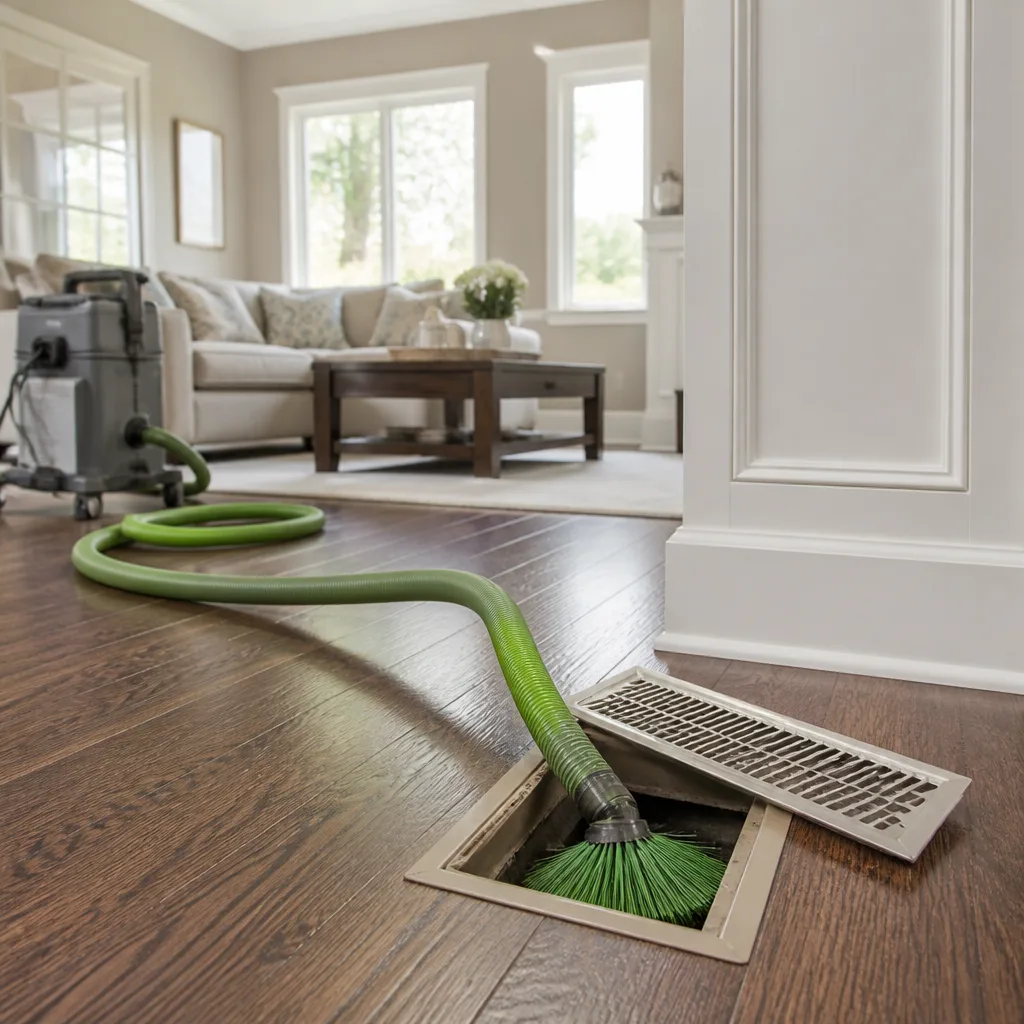 Whole-home duct cleaning
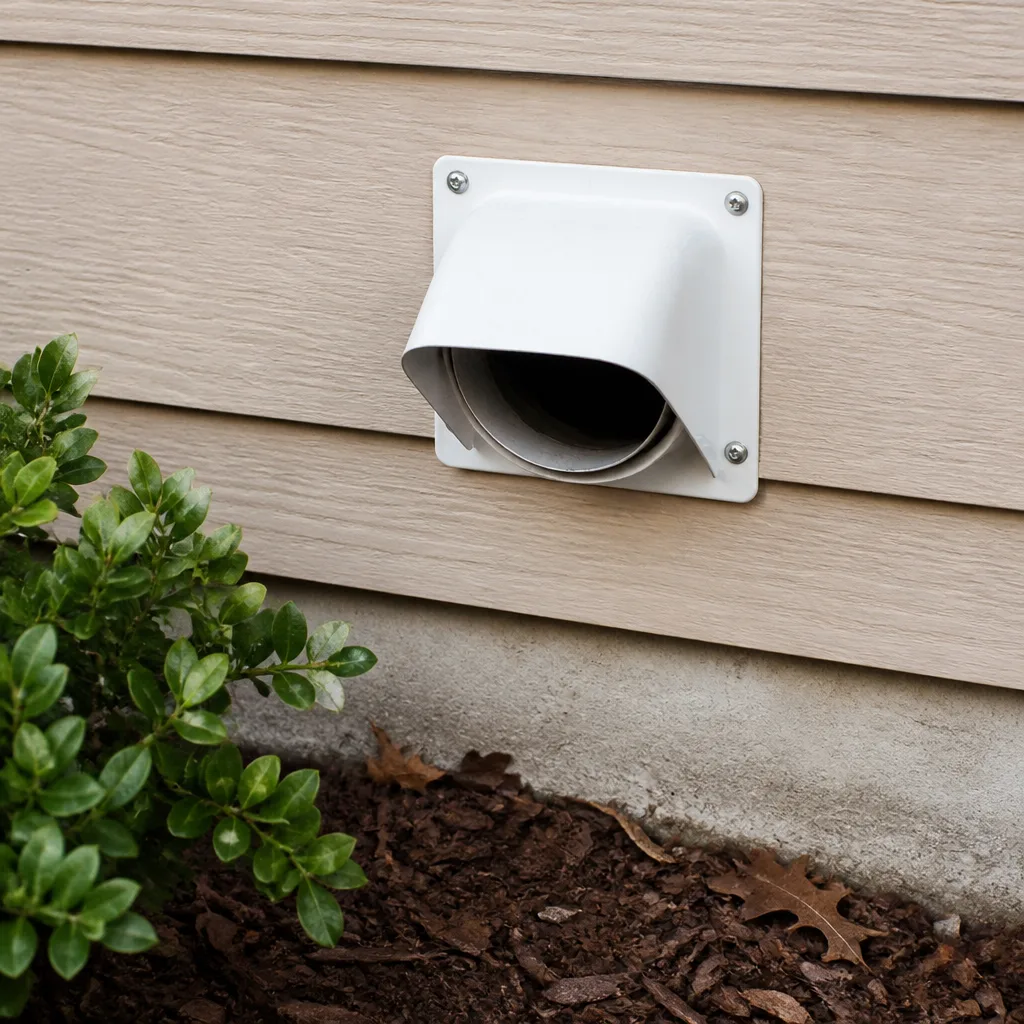 Dryer vent cleaning
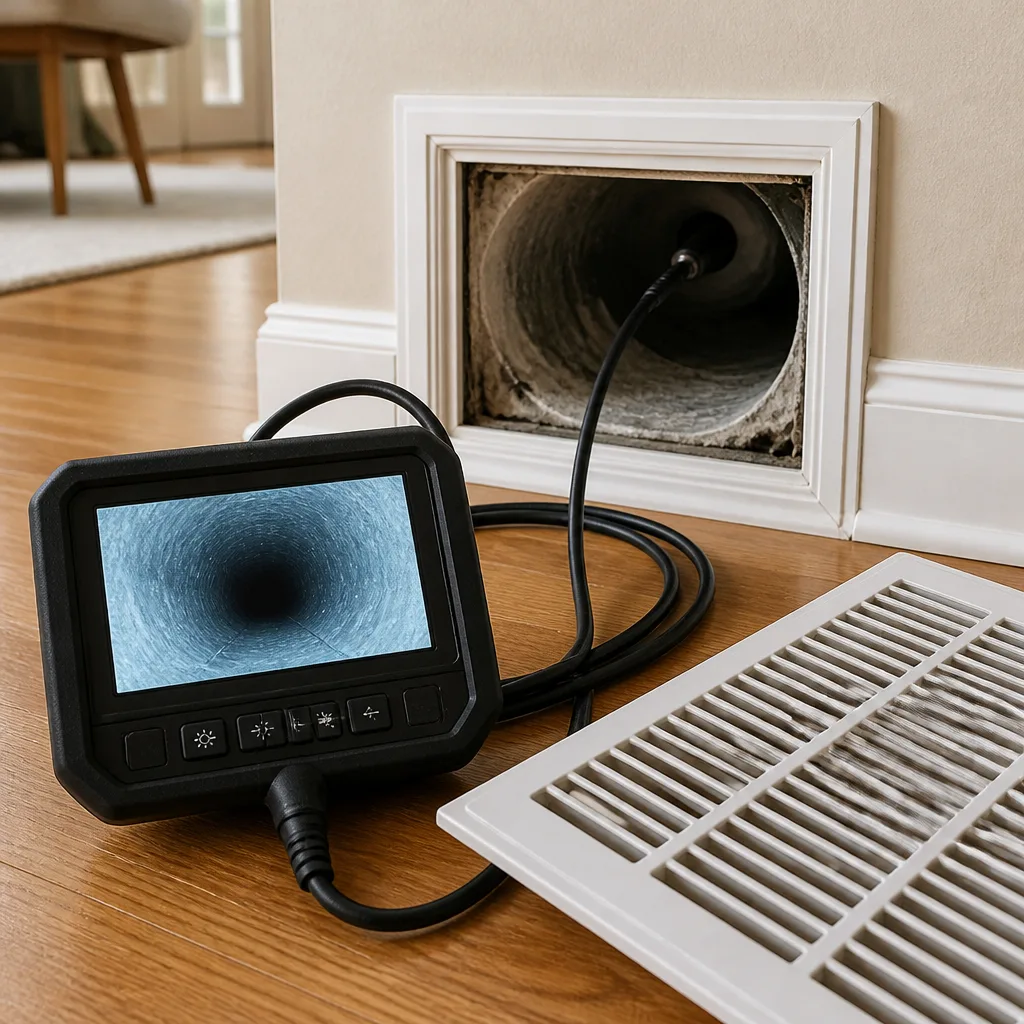 Camera inspection
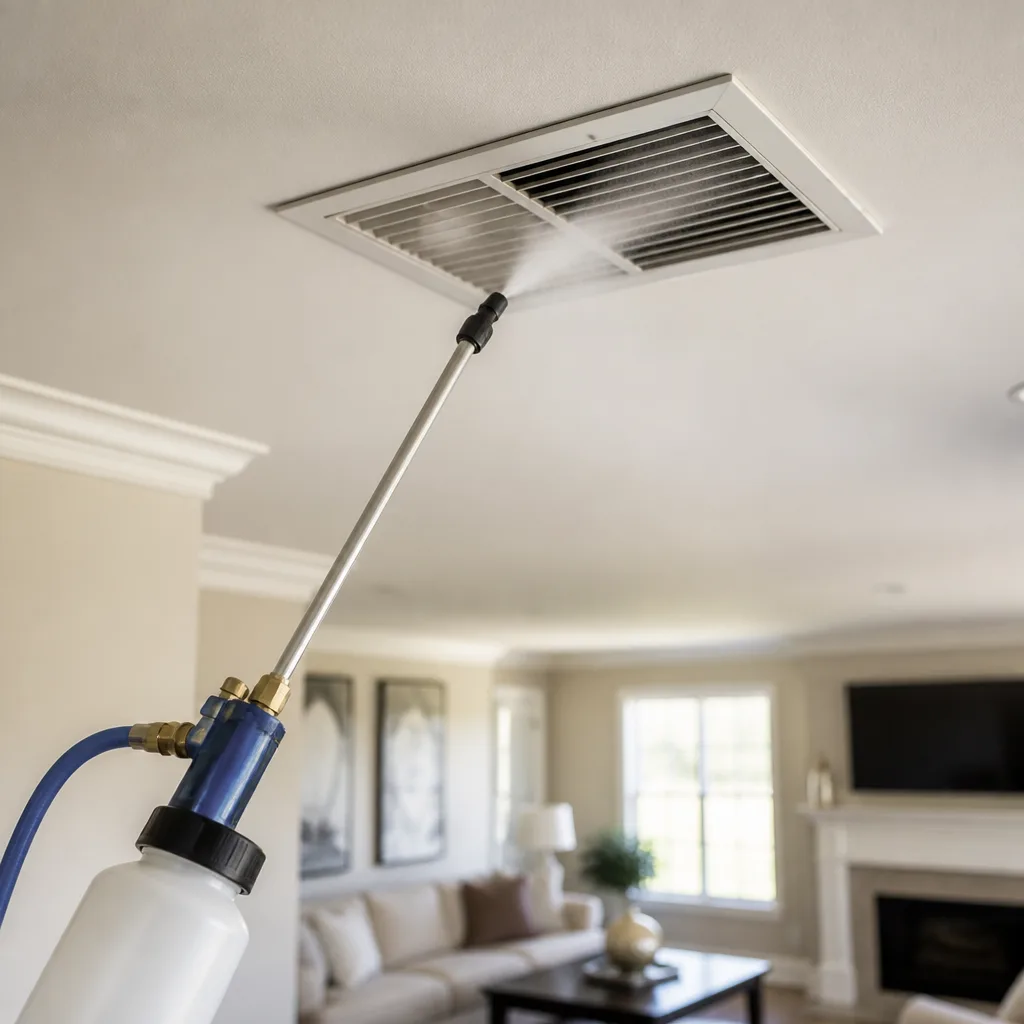 Sanitizing & deodorizing
Whole-system duct and dryer vent check with before-and-after photos - you see exactly what came out of your vents
That "$99 whole-house special" is a bait ad - the real number appears once they are in your hallway, or the "clean" is a shop-vac at the register. We photograph the inside of your ducts before and after instead.
Air Duct Cleaning Permits, Codes & Inspections in Tempe, AZ: What You Need to Know
Here’s the part most homeowners don’t hear until closing day: a duct cleaning contractor can replace a flex duct section or reseal your plenum without pulling a permit, and that unpermitted work can turn up as a defect during your home sale inspection. Then it becomes your problem, not theirs. Cleaning itself is rarely the issue. The repairs that come with it are where the code line lives. In this guide we’ll walk through what Tempe Development Services treats as routine maintenance versus a mechanical permit trigger, how Arizona’s adopted version of the International Mechanical Code draws the repair-versus-replacement line, and what you should get in writing before you authorize anything beyond cleaning.
Quick Answer
Air duct cleaning on its own generally does not require a permit in Tempe, because it’s classified as routine maintenance. But when a job crosses into flexible duct replacement, plenum liner installation, or air handler modification, it falls under Arizona’s adopted mechanical code and typically needs a permit through the City of Tempe Development Services. Ask for the scope in writing, confirm who pulls the permit, and verify it through Tempe’s online portal before work starts.
Styles & brands we work with
- Whole-home duct cleaning
- Dryer vent cleaning
- Camera inspection
- Sanitizing & deodorizing
Table of Contents
- Where does cleaning end and permitted work begin in Tempe?
- How does Arizona’s mechanical code define duct repair versus replacement?
- Which duct cleaning scenarios trigger a permit?
- What should you get in writing before work starts?
- How do you verify a permit through Tempe’s online portal?
- What does a mechanical inspection actually check?
- How do professional contractors document the work?
- How does Tempe’s climate affect duct condition and repair needs?
Where does cleaning end and permitted work begin in Tempe?
The line falls on whether the work changes the mechanical system or simply maintains it. Wiping down the inside of existing ductwork, pulling debris with a rotary brush under negative pressure, and clearing a dryer vent are maintenance. None of that alters the system, so none of it requires a permit from Tempe Development Services.
The moment a contractor cuts in new ductwork, replaces a run, or changes how the air handler connects to the distribution system, the job becomes an alteration. Alterations to a mechanical system are what the permit process exists to track. And this matters in Tempe because so much of the housing stock has had work done. In older neighborhoods near downtown, it’s common to find ductwork that’s been added to, spliced, or rerouted over the years, sometimes without documentation.
Here’s a plain way to think about it:
- Maintenance: cleaning, brushing, vacuuming, sanitizing the interior surface, clearing a dryer vent. No permit.
- Alteration: cutting in new duct, replacing a flex run, installing a plenum liner, modifying the air handler cabinet. Permit territory.
- Repair in place: resealing a joint, reconnecting a boot, taping a seam. Usually maintenance, though the boundary gets tested when a repair becomes a replacement.
If you’re unsure where your particular job lands, ask the contractor to tell you in writing which category the work falls into. A professional who understands the code will answer without hesitation.
How does Arizona’s mechanical code define duct repair versus replacement?
Arizona adopts the International Mechanical Code with state and local amendments, and the IMC draws a firm line between repair and replacement. Repair restores an existing component to working condition without changing it. Replacement removes one component and installs another in its place. The distinction sounds like wordplay until you understand why it matters: replacement triggers the permit and inspection process, repair generally does not.
This is where a lot of jobs go sideways. A contractor arrives for a cleaning, finds a crushed flex duct run, and swaps it out on the spot. That feels like a repair to the homeowner and a courtesy to the contractor. Under the adopted code, removing a duct section and installing a new one is replacement. It’s a mechanical alteration. In most cases that work needs a permit, and when it’s done without one, there’s no inspection record proving it was installed correctly.
We’ve seen what that leaves behind. Crimped transitions, undersized replacements, and flex duct run in ways that choke airflow. Each of those problems shows up later as uneven cooling in a Tempe house that already fights the heat. The code exists because duct replacement affects the whole system’s performance, not just the one section being swapped.
Ask your contractor to confirm which code edition Tempe has adopted for the current cycle, and how they interpret the repair-replacement distinction. The correct answer names the code and explains the line.
Which duct cleaning scenarios trigger a permit?
Three situations come up most often in Tempe homes. Each one starts as a cleaning visit and turns into permitted work once the contractor opens up the system.
- Flexible duct replacement. When a run is torn, crushed, or contaminated beyond cleaning, it gets replaced. That’s a mechanical alteration under the adopted code. A permit should be pulled before the new run goes in, and the work should be inspected for proper sizing, support, and connection.
- Plenum liner installation. The plenum is the box connecting your air handler to the duct distribution system. Lining it with insulation or sealing it with a liner changes the mechanical assembly. Since the plenum is part of the mechanical system envelope, lining work is typically permitted.
- Air handler modifications. Anything that cuts into or alters the air handler cabinet itself – adding a filter rack, changing a connection, cutting a new return opening – is a mechanical alteration. If a contractor suggests moving the filter location or modifying the air handler during a cleaning visit, ask directly whether that requires a permit.
We do a lot of air duct cleaning in Tempe, and the honest answer is that most visits don’t hit any of these. Physically dislodging debris with a Rotary brush under negative pressure is cleaning. But when the assessment turns up failed ductwork, the job changes, and the homeowner deserves to know that before the invoice arrives. That’s also where air duct repair begins as a separate, scoped service.
What should you get in writing before work starts?
Get the scope, the permit responsibility, and the change process in writing before anyone touches your system. A written scope protects you if the job expands mid-visit, and it gives the inspector something to verify against. If a contractor won’t put these items in writing, that tells you something.
Ask for these in the estimate or work order:
- A description of the cleaning scope – which systems, how many runs, what equipment.
- A separate line item for any repair or replacement work, with the specific sections named.
- A statement of who pulls the permit if a permit is required, and confirmation that the cost is included in the written estimate, per job.
- A change order process, so any work beyond the original scope is documented and approved by you before it happens.
- Before-and-after photos of your own ducts, not stock images.
- Pre- and post-cleaning static pressure readings, which we’ll cover below.
A written estimate also protects you on price. The price you agree to is per job by estimate, not a per-vent figure that climbs once the technician is on site. That structure is one of the ways this industry earns its rough reputation, so make sure it’s spelled out. If you’re also scheduling dryer vent cleaning during the same visit, that should appear as its own line item with its own scope.
How do you verify a permit through Tempe’s online portal?
You can usually verify a permit without leaving your chair. The City of Tempe Development Services runs an online permit portal where you can search by address and see what permits have been issued for the property. It’s a public record, and it takes a few minutes.
Here’s the process we recommend:
- Ask the contractor for the permit number once it’s pulled. A legitimate operation will have it ready.
- Go to the City of Tempe Development Services permit portal and search by your property address.
- Confirm the permit type matches the work being done – a mechanical permit for duct replacement, not a general handyman permit.
- Note the permit status. Issued means the work is authorized. Finaled means it’s been inspected and closed out.
- After the job is done, check again. The permit should progress to a final inspection sign-off. If it stays open, ask why.
A permit that never reaches final status is a loose end that can surface at sale. When a buyer’s inspector searches the property and finds an open permit, the transaction stalls until it’s resolved. That’s the paperwork burden you’re trying to avoid by verifying early. Tempe’s Development Services staff can also answer questions directly if the portal doesn’t show what you expected.
What does a mechanical inspection actually check?
A mechanical inspection verifies that installed ductwork is sized correctly, sealed properly, supported adequately, and connected to the air handler in a way that doesn’t restrict airflow. The inspector isn’t looking for a spotless duct interior. That’s a cleaning outcome, not a code requirement. The inspector is checking whether the physical system will perform as designed.
What they typically want to see:
- Duct sizing that matches the load – undersized replacement runs get flagged because they starve the system.
- Proper support and strapping, so flex duct doesn’t sag or crush.
- Sealed joints and connections at the plenum and air handler.
- Flex duct routed with gradual turns, not sharp bends that cut airflow.
- Correct termination at the register boots.
This is where documentation from the cleaning contractor helps. Static pressure readings taken before and after cleaning show the system’s airflow characteristics. If a contractor replaces a bad run and the post-repair static pressure is in range, that tells the inspector the installation is working as intended. Inspectors appreciate a paper trail. Homeowners should expect it.
How do professional contractors document the work?
Remediation-grade documentation is one of the clearest signs you’re working with the right kind of contractor. The standard is straightforward: before-and-after photos, static pressure readings taken at the same points both times, and a written report that describes what was found, what was cleaned, and what was repaired. That package satisfies two different audiences – your building inspector and your insurance adjuster, if a claim is involved.
We use Abatement Technologies air filtration units and Nikro negative-air equipment because the same containment capability that keeps debris from cross-contaminating the home also produces photogenic, verifiable work. A rotary brush on a Rotobrush system physically dislodges debris, negative pressure captures it at the source, and the photos prove it. Guardsman surface protection keeps the surrounding interior clean during the process, so the final photos show the system, not the dust storm.
Ask for this package in writing before you book. If a contractor can’t provide pre- and post-static pressure readings and their own photos, they’re cleaning without proof. That’s not what you want going into an inspection or a home sale.
How does Tempe’s climate affect duct condition and repair needs?
Tempe’s heat is hard on ductwork in ways that show up as repair work rather than cleaning work. Long cooling seasons mean the system runs a lot of hours, and every one of those hours stresses gaskets, tape joints, and flex duct transitions. Seal failures let hot attic air into the supply stream, and the fix is usually sealing or replacing compromised sections. That’s the work that crosses the permit line.
Dust in Tempe isn’t the ambient nuisance it is in humid climates. Around here, most system contamination comes from inside the house – dust pulled in through returns, plus the occasional bit of construction debris from remodels. If your neighborhood has had recent remodeling, that’s a reason to look inside the ducts sooner. We handle Tempe homes regularly, and the pattern is consistent: older systems in established neighborhoods need repair scoping more often than newer builds, and the cleaning is usually the easy part.
Homes with Honeywell or Aprilaire filtration equipment tend to hold up better between cleanings, because the right filtration keeps the ducts cleaner after the clean. If you have either, plan a filter change alongside the cleaning. It’s a small expense and it extends the life of the job.
Common Mistakes to Avoid
- Letting the contractor swap ducts mid-cleaning without a permit. A flex run replacement that feels like a courtesy is a mechanical alteration. It needs a permit, and the paperwork becomes your responsibility if it’s skipped.
- Not asking who pulls the permit. Some contractors assume you’ll handle it. Confirm in writing, and if a permit is needed, the contractor names it in the written estimate.
- Accepting a verbal scope. If the estimate doesn’t spell out the sections being cleaned and the repairs being done, a mid-visit expansion has no paper trail.
- Skipping the portal check. Tempe’s Development Services permit portal shows issued and finaled permits by address. Two minutes of checking protects you from an open permit at sale.
- Settling for photos of somebody else’s ducts. Before-and-after photos should be of your system, taken during the visit, not stock images pulled from a brochure.
- Paying per-vent pricing without a cap. Per-vent structures leave the total open-ended. One flat price per system, agreed before the work starts, keeps the scope honest.
- Ignoring dryer vent buildup. A dryer vent that’s packed with lint is a fire risk, not a maintenance item to schedule later. It’s part of the same pickup-design visit, and it’s worth confirming your contractor handles it.
See the difference
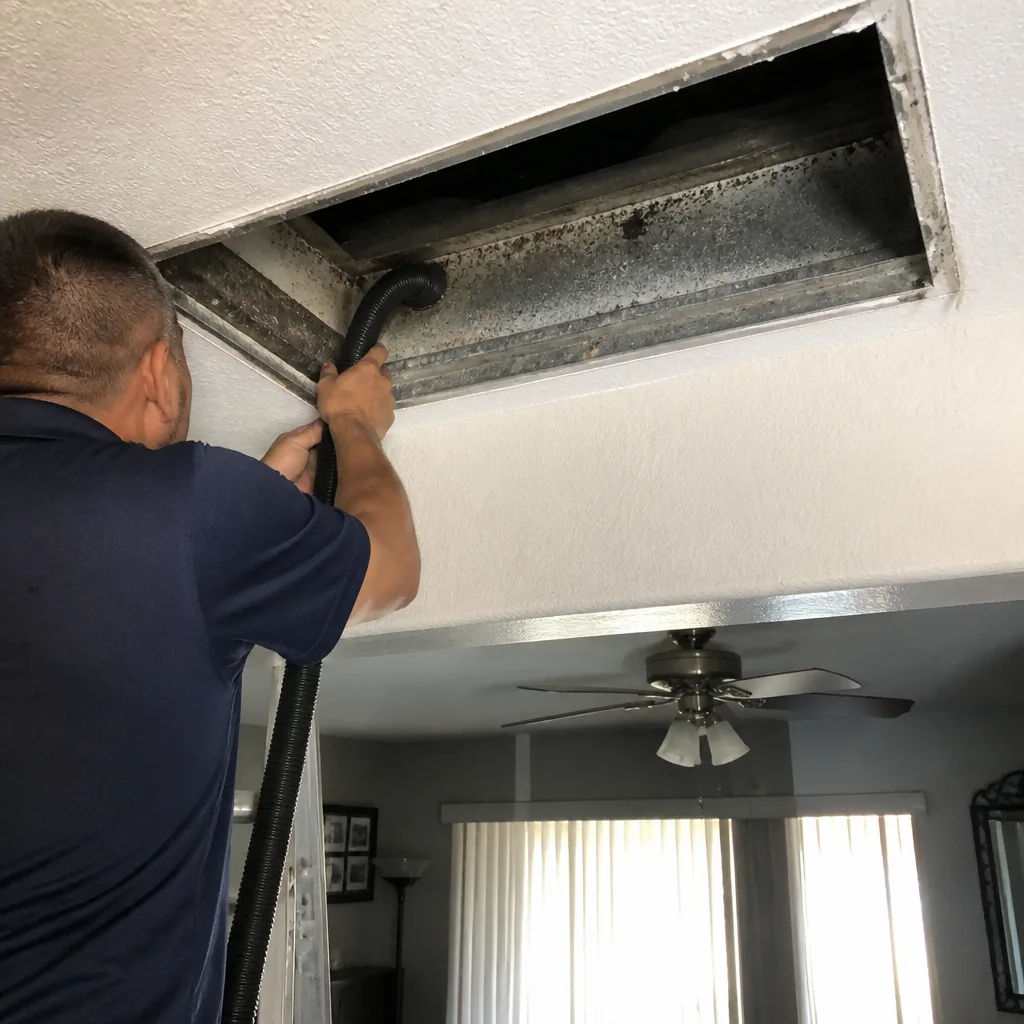 Before
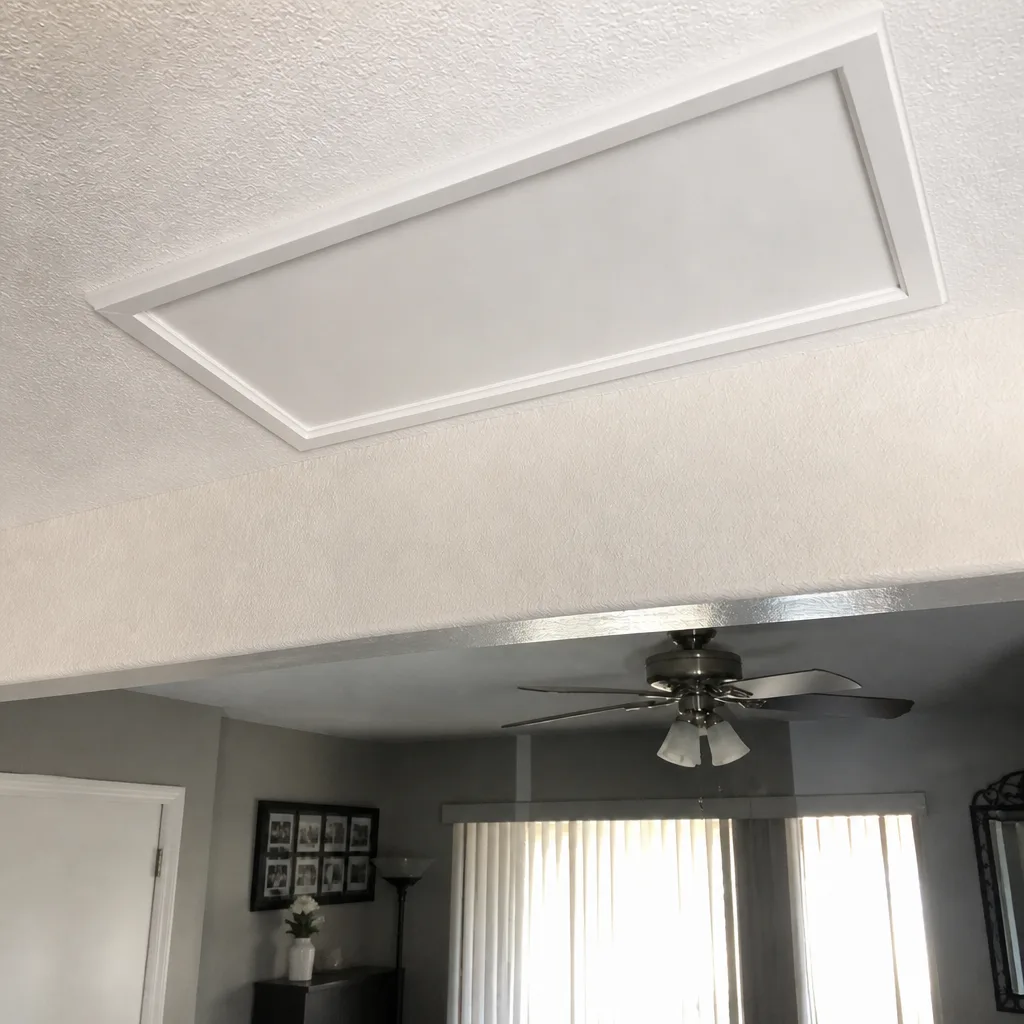 After
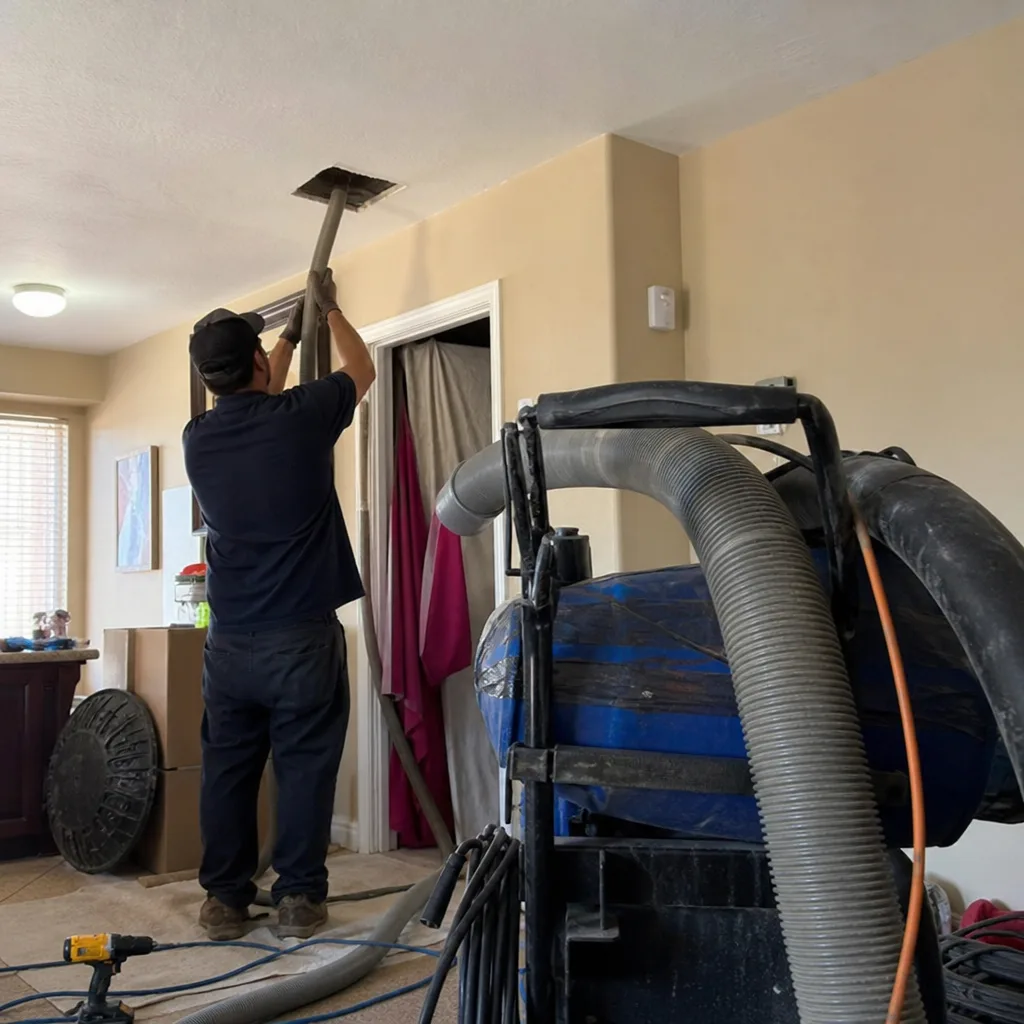 Before
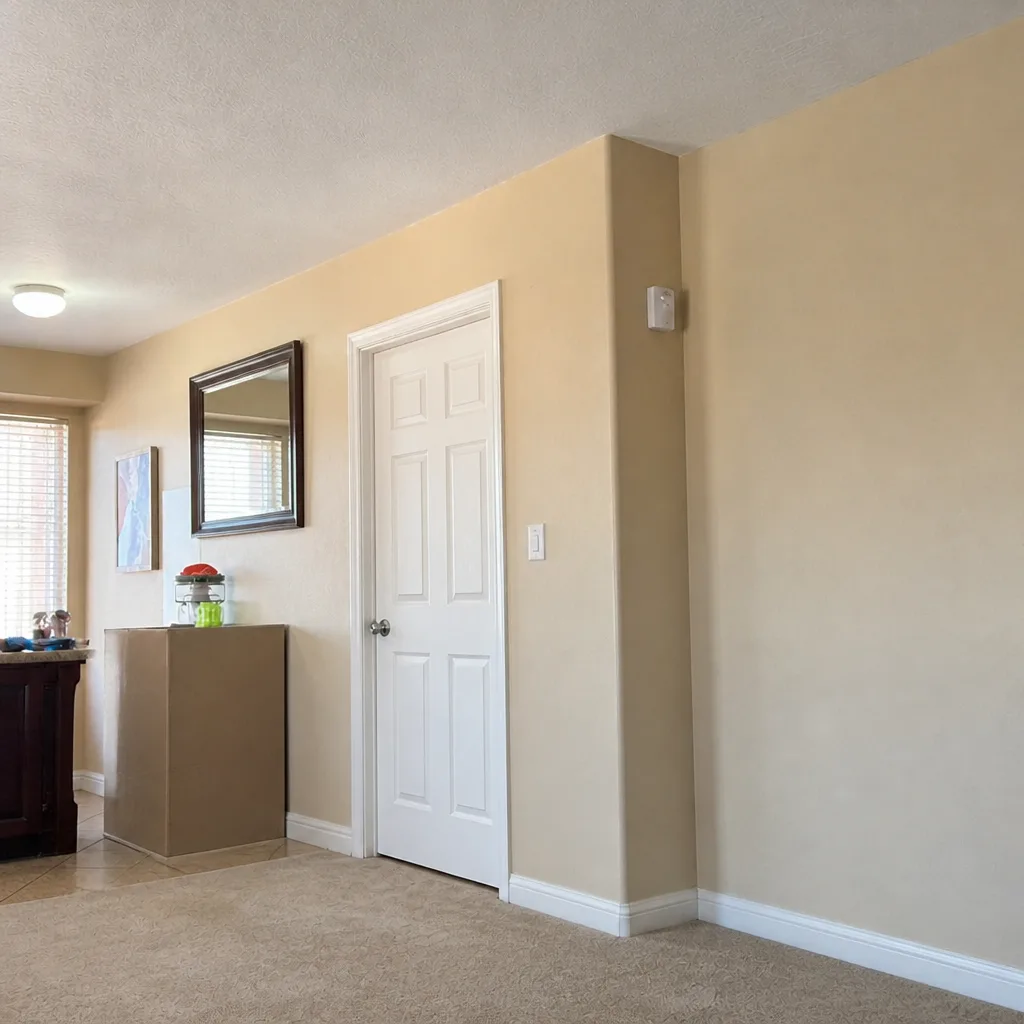 After
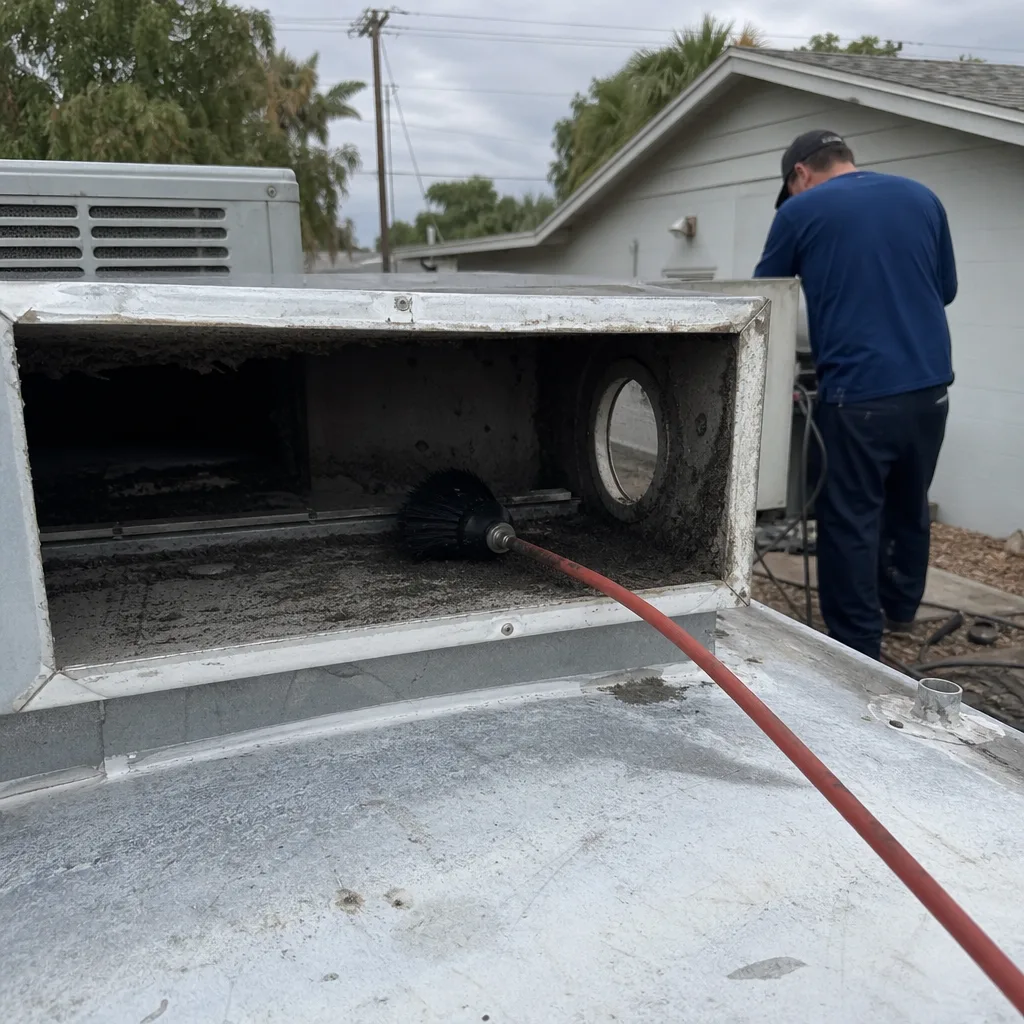 Before
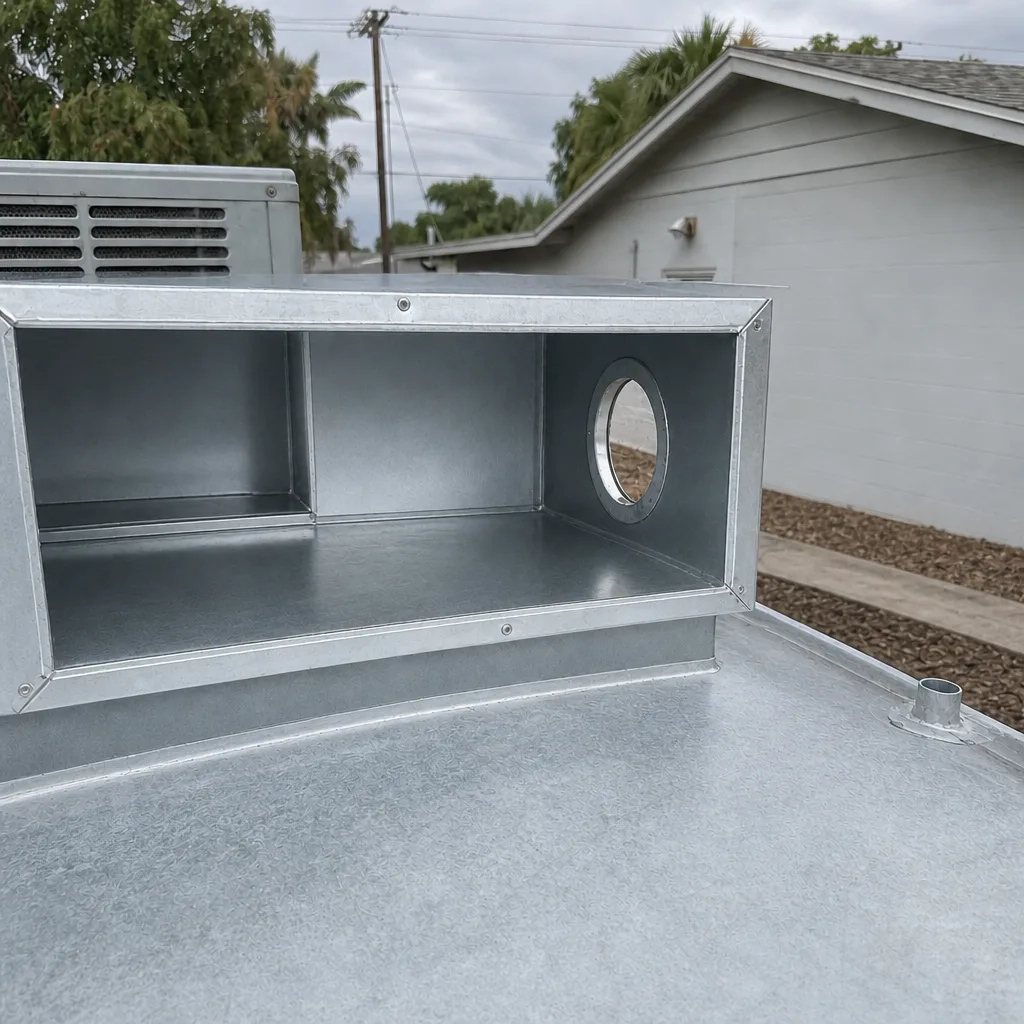 After
When to Call a Professional
Call a professional when the symptoms point at the system, not just the ducts. Musty smells that return after cleaning, uneven cooling between rooms, a dryer that takes two cycles to dry a load, or static pressure readings that don’t add up – each of those means something needs to be diagnosed and often repaired. And if you’re about to sell or buy a Tempe home, get an assessment before closing, because the unpermitted work question is easier to answer before the inspector finds it. Duct Cleaning Tempe offers free estimates in Tempe. Call (866) 261-1801. We answer 24/7. Fast dispatch from 7am to 7pm, Sunday through Friday. Our technicians have up to 10 years of experience, and we work in the mechanical, code-aware way this guide describes.
Frequently Asked Questions
No, air duct cleaning on its own does not require a permit in Tempe, because it’s classified as routine maintenance. The permits start when the work becomes an alteration – duct replacement, plenum liner installation, or air handler modification. If your contractor suggests anything beyond cleaning, ask them to confirm whether a mechanical permit is required before the work begins. Call (866) 261-1801 for an exact quote. Estimates are free.
Yes, and the distinction changes the paperwork. Under Arizona’s adopted version of the International Mechanical Code, repair restores an existing component without replacing it, while replacement removes and installs new components. Replacement typically requires a mechanical permit and inspection. Repair generally does not. Ask your contractor which one your job falls into and get it in writing.
Flex duct replacement, plenum liner installation, and any modification to the air handler cabinet are the three most common triggers. Each of those changes the mechanical system rather than maintaining it. Cleaning with a rotary brush under negative pressure doesn’t trigger a permit. Call (866) 261-1801 to schedule a free scope assessment. Estimates are free.
Use the City of Tempe Development Services online permit portal and search by your property address. You’ll see issued permits and their status. Ask the contractor for the permit number once it’s pulled, then verify it matches the work being done. After the job is finished, check that the permit has reached final status, which means inspection sign-off is complete.
Because cheap quotes narrow the scope to cleaning only, with no repair scoping, no documentation, and no permit support if the job turns into an alteration. The low price is often a per-vent teaser that expands once the technician is on site. We quote one flat price per system, agreed before work starts, with before-and-after photos of your own ducts. Call (866) 261-1801 for an exact quote. Estimates are free.
Ask for before-and-after photos of your own ducts, pre- and post-cleaning static pressure readings taken at the same points, and a written report of what was found and what was cleaned or repaired. If a contractor can’t provide those, you’re paying for a promise. Our remediation-grade equipment, including Abatement Technologies filtration and Nikro negative-air units, is set up to produce exactly this kind of documentation.
Yes, when a claim is involved. Adjusters want evidence that the work was necessary, properly scoped, and done by a qualified contractor. Photos and static pressure readings satisfy that. If a repair was also required and involved permitted work, the permit record adds an extra layer of verification. Call (866) 261-1801 to talk through what your particular situation needs. Estimates are free.
Yes, most often through unpermitted work rather than the cleaning itself. If a prior contractor replaced ductwork or altered the plenum without a permit, that surfaces as a defect during a buyer’s inspection. Verifying permits through Tempe’s portal before you list is the cleanest way to catch it. Call (866) 261-1801 if you need an assessment ahead of listing. Estimates are free.
The Bottom Line
Duct cleaning itself is maintenance and rarely requires a permit in Tempe. The repairs that often come with it are mechanical alterations, and those do fall under Arizona’s adopted code and the City of Tempe Development Services permit process. The line sits at flex duct replacement, plenum liner installation, and air handler modification. Protect yourself by getting the scope in writing, naming who pulls the permit, verifying through the Tempe portal, and asking for documentation that satisfies both inspectors and adjusters. That’s how a cleaning visit stays a cleaning visit – and how the work that goes beyond it holds up when someone looks at it later. For more on this topic across the Valley, see our temp guide. Written by the team at Duct Cleaning Tempe.
If you’re ready to move forward, call (866) 261-1801 for a free estimate. We answer 24/7. Fast dispatch from 7am to 7pm, Sunday through Friday. One flat price per system, agreed before work starts, with before-and-after photos of your own ducts. Cleaning, dryer vent, and repair, all under one scope. Visit Duct Cleaning Tempe to see how we work.
Written by the team at Duct Cleaning Tempe.