
Last updated November 15, 2026
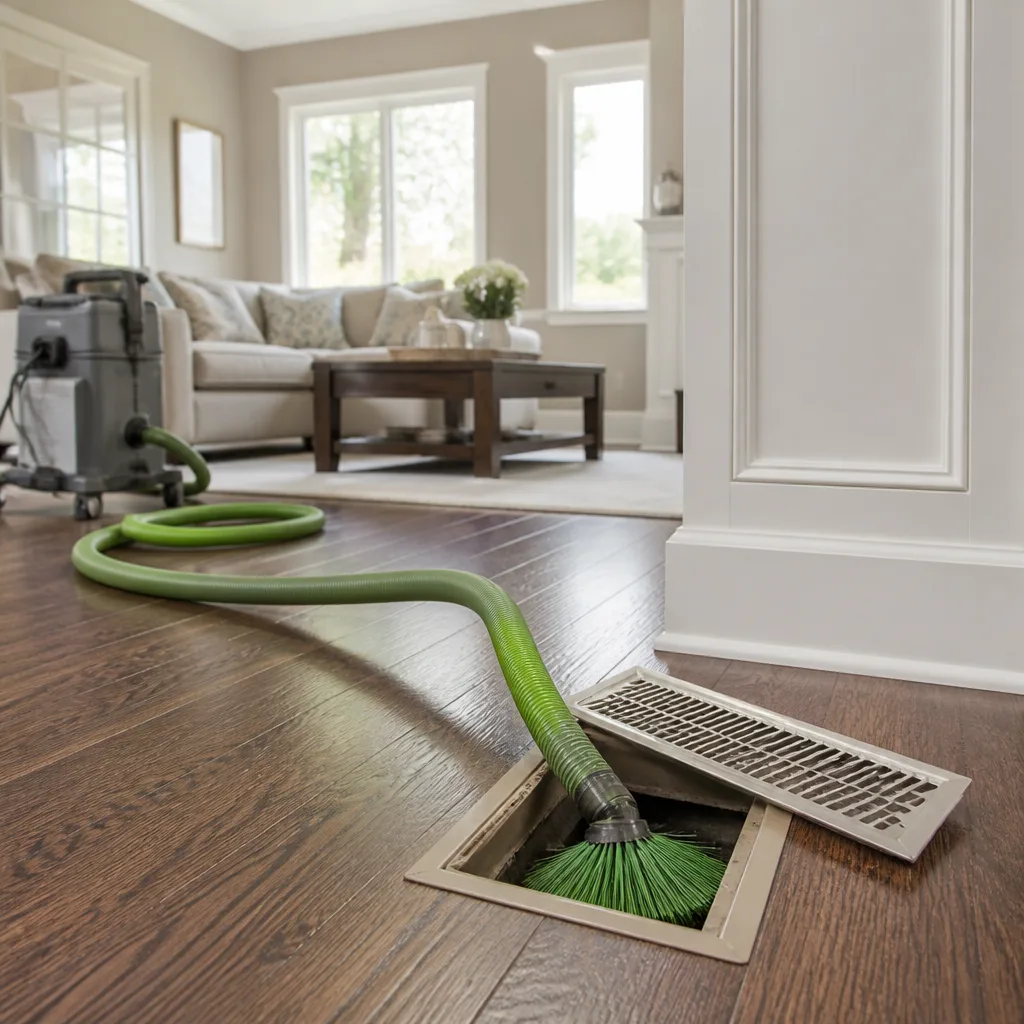 Whole-home duct cleaning
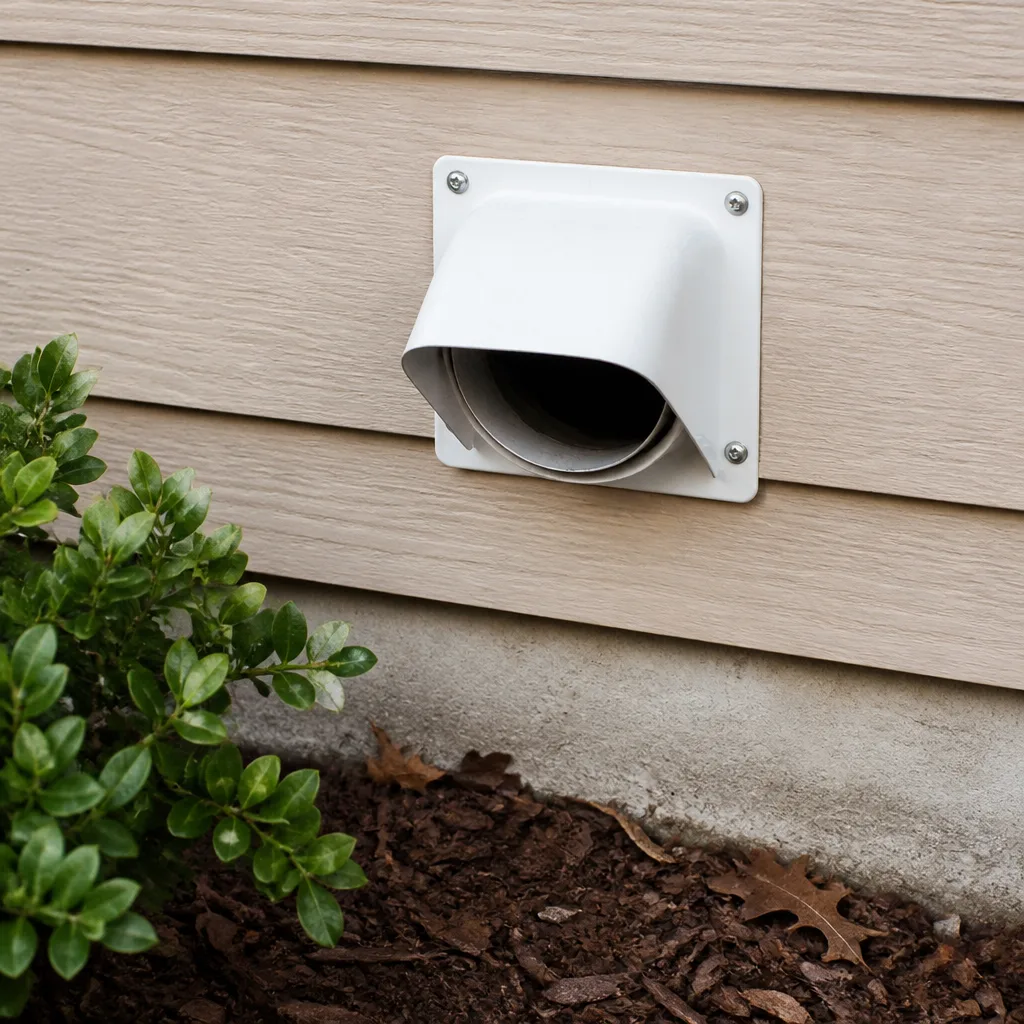 Dryer vent cleaning
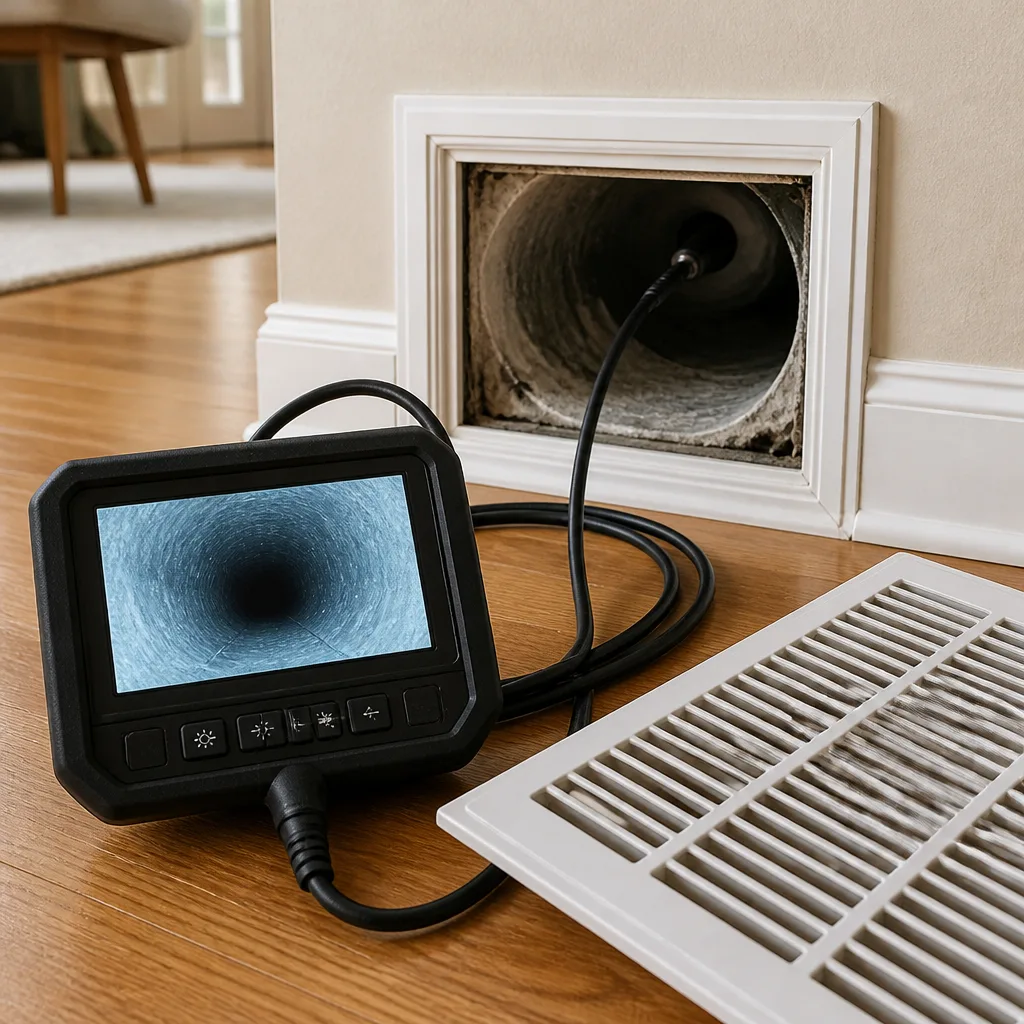 Camera inspection
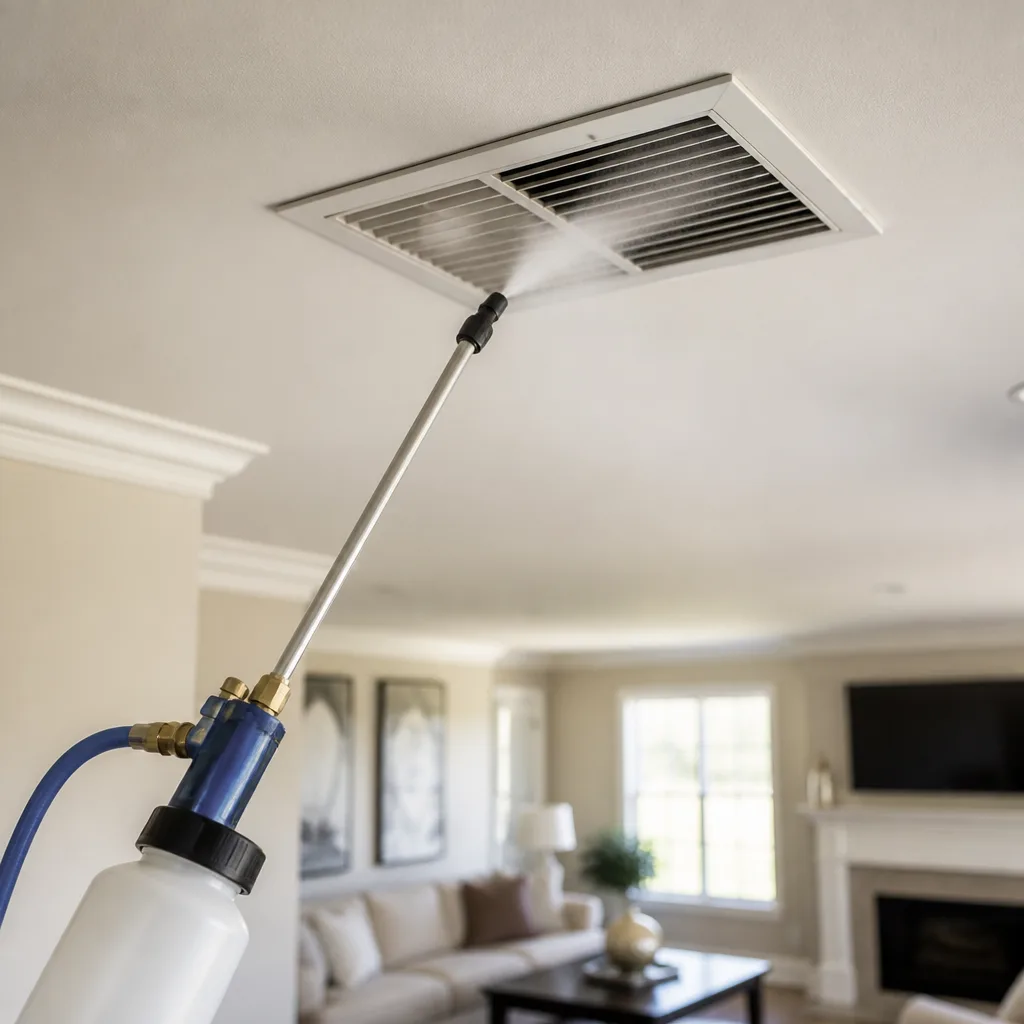 Sanitizing & deodorizing
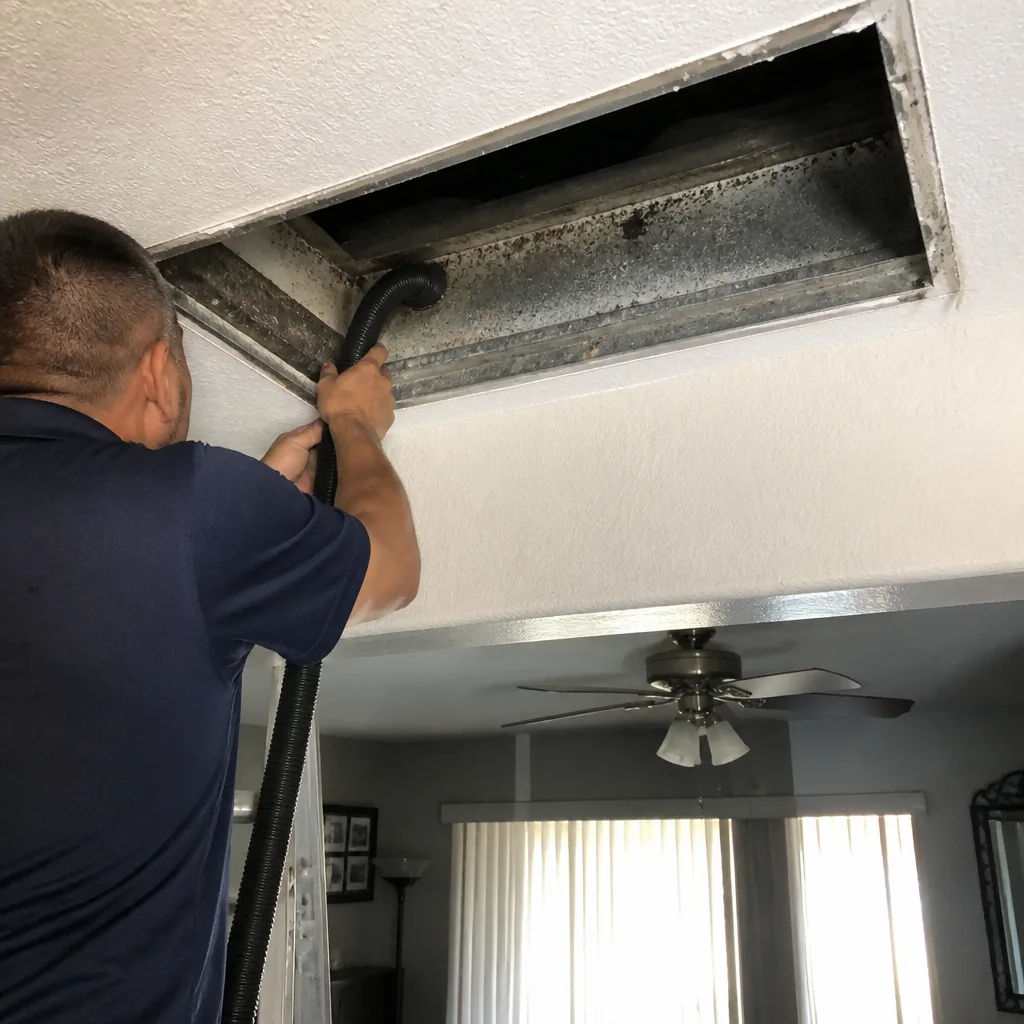
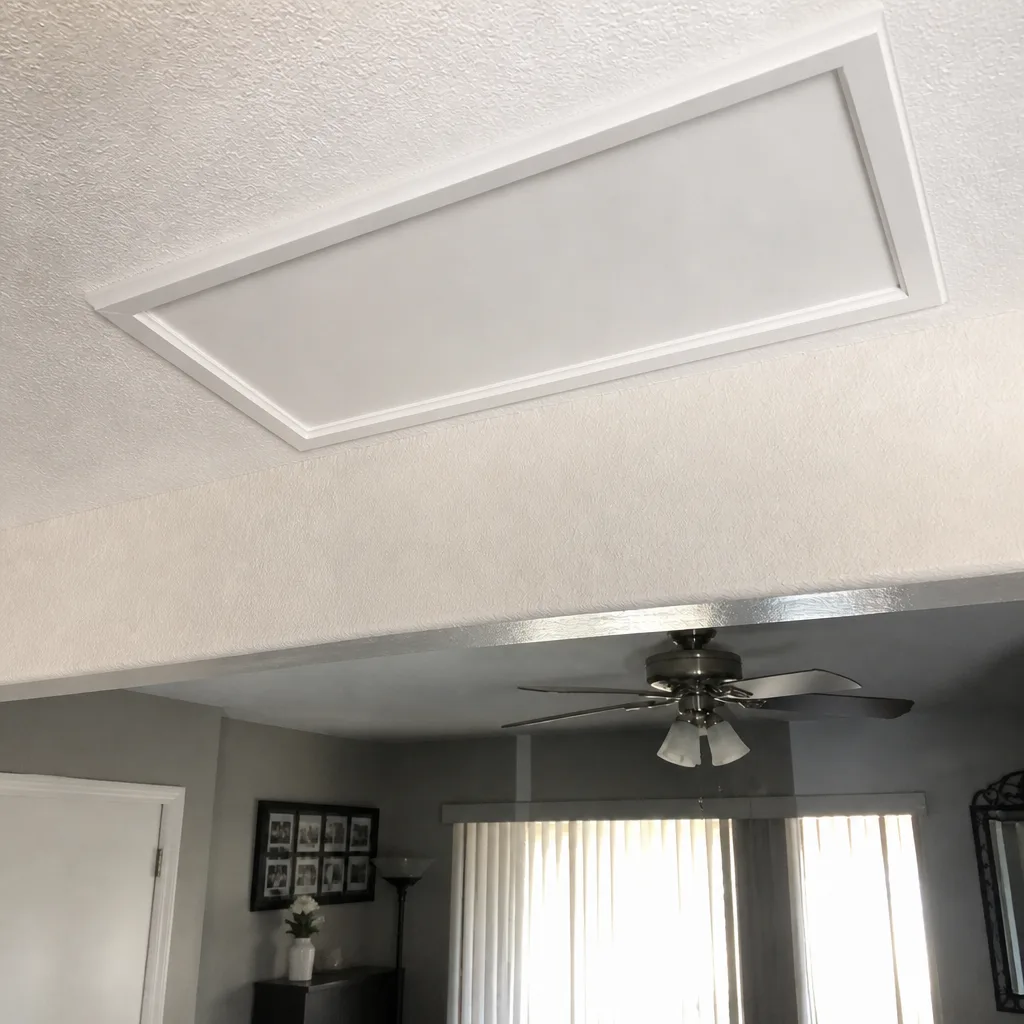
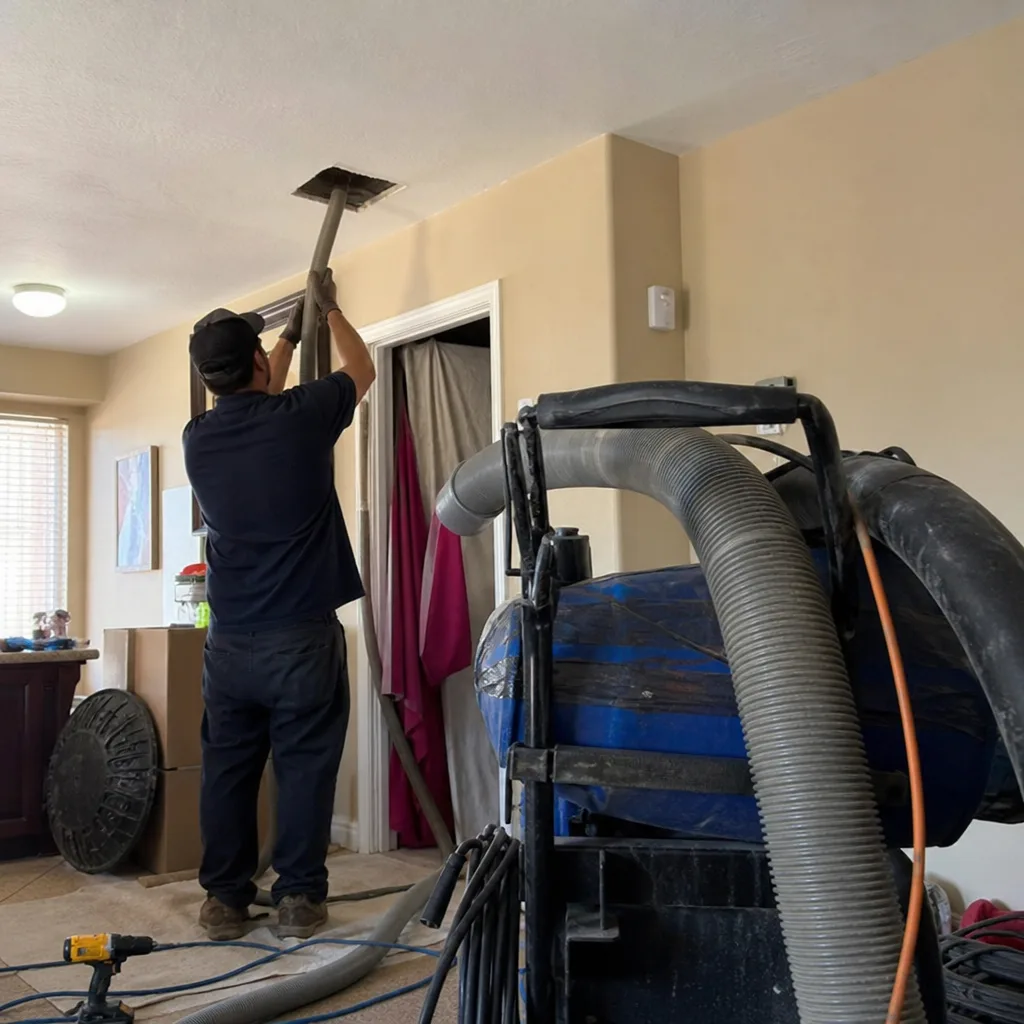
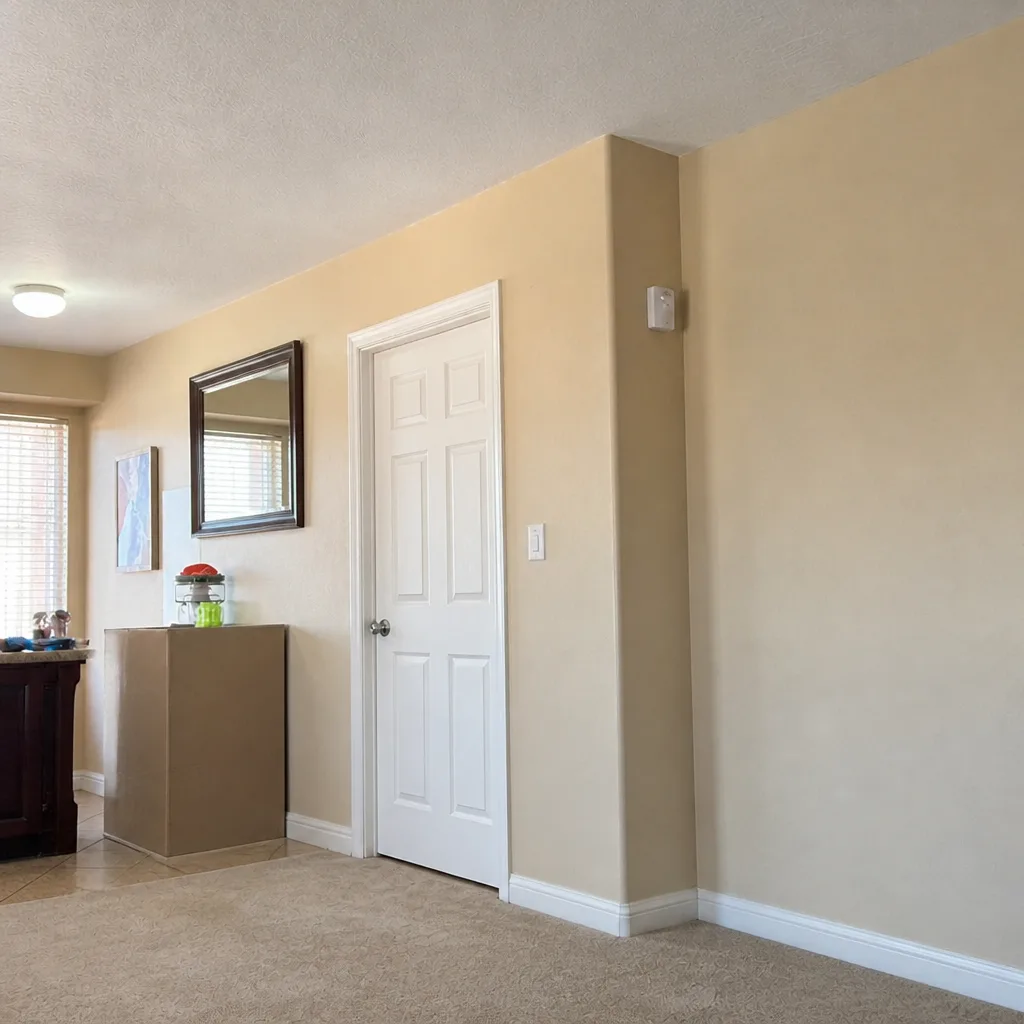
Whole-system duct and dryer vent check with before-and-after photos - you see exactly what came out of your vents
That "$99 whole-house special" is a bait ad - the real number appears once they are in your hallway, or the "clean" is a shop-vac at the register. We photograph the inside of your ducts before and after instead.
How to Hire an Air Duct Cleaning Contractor in Tempe: A Step-by-Step Guide
Here’s the part of this conversation nobody wants to start with: in Arizona, there is no state license required to clean air ducts. A contractor’s license isn’t issued for it, which means the barrier to entry is a van, a hose, and a business card. The company that shows up at your door in Tempe may carry Rotobrush equipment and a negative-air machine, or it may carry a shop vac and a promise. Nobody checks. The only quality filter is the one you apply yourself, and it comes down to knowing exactly what to ask. This guide walks through the five equipment questions that separate real contractors from coupon operations, how to read a scope of work, what certification acronyms actually mean, and which red flags show up again and again in Tempe’s market.
Quick Answer
To hire an air duct cleaning contractor in Tempe, ask five questions before you sign anything: what agitation equipment they use, what containment system captures the debris, whether they perform duct repair, who is actually arriving at your door, and whether they’ll show before-and-after photos of your own system. A contractor who can answer all five with specific equipment names and a written scope generally gets the job. One who deflects, quotes a per-vent price, or pressures you on filters before diagnosing anything is the one to walk away from.
Styles & brands we work with
- Whole-home duct cleaning
- Dryer vent cleaning
- Camera inspection
- Sanitizing & deodorizing
Table of Contents
- Why Arizona’s Licensing Gap Changes How You Hire
- The Five Equipment Questions That Disqualify a Contractor
- Negative-Pressure Cleaning vs. Compressed Air: What Happens to Your Indoor Air
- How to Read a Duct Cleaning Scope of Work
- NADCA Membership, CVI, and ASCS: What the Acronyms Actually Mean
- Red Flags Specific to the Tempe Market
- How to Verify the Work Was Actually Done
- Why Duct Repair Belongs in the Same Scope as Cleaning
Why Arizona’s Licensing Gap Changes How You Hire
When a trade is licensed, the license number does most of the filtering for you. Roofing and electrical work in Arizona require credentials that can be looked up and verified. Duct cleaning does not. Any person with a business name and a phone number can advertise the service in Tempe, and no state agency is checking their equipment or their training. That’s not a knock on the regulatory system; it’s simply the reality you’re working inside.
What this means in practice is that every other signal has to carry more weight. Insurance matters, because it tells you the contractor has at least taken a step beyond a bare operation. A written scope of work matters more than a verbal promise, because it’s the only thing you can hold anyone to. Equipment names matter most of all, because they’re the hardest thing to fake. Someone can describe their process vaguely and sound competent. Someone who tells you they run a Rotobrush rotary-brush system with a Nikro negative-air machine and can walk you through how the two work together is demonstrating knowledge that doesn’t come from a marketing script.
Ask about insurance directly: general liability and workers’ compensation. A contractor who works inside your home without liability coverage is transferring the risk to you. In Tempe, where many homes are single-story with accessible attic ductwork, the physical exposure is real, and so is the exposure if something gets damaged during the job.
The gap also means you should be wary of anyone who uses licensing language to reassure you. If a contractor claims to be “licensed and certified” for duct cleaning in Arizona, ask exactly what license and issued by whom. If the answer is vague, that tells you something useful before any work begins.
The Five Equipment Questions That Disqualify a Contractor
These five questions come from years of walking into homes after a low-cost cleaning left things worse. Ask them in this order, and pay attention to which ones get clear answers and which get deflected. A professional contractor will be relieved you asked. A shopper won’t be.
- What agitation equipment do you use? The correct answer is a mechanical rotary-brush system, which physically loosens debris from duct walls. Rotobrush is the professional standard here. The disqualifying answers are compressed air alone, a shop vac, or “a specialized tool” with no name attached.
- What captures the dislodged debris? The correct answer is a negative-air machine connected to HEPA filtration, which creates a pressure differential that pulls debris into the collection unit rather than into your living space. Nikro is the equipment class to listen for. The disqualifying answer is that the vacuum “takes care of everything” without naming a containment system.
- Can you repair ductwork if you find a breach? The correct answer is yes, and the contractor can describe how. The disqualifying answer is that they’ll give you a report and you can call someone else. That means the job ends at diagnosis, and you’ll be coordinating a second contractor for the actual fix.
- Who is actually arriving? The correct answer names a trained technician and describes their experience. The disqualifying answer is a subcontractor arrangement with no accountability or a salesperson who does the inspecting.
- Will I get before-and-after photos of my own ducts? The correct answer is an unhesitating yes. The disqualifying answer is a hesitation, a “we can take some pictures,” or a stock photo in a brochure. Photos of your system, not a generic gallery, are the only real proof.
If two or more of these answers come back weak, cancel the appointment. There’s no reason to let a contractor into your attic to find out what a phone call could have told you.
Negative-Pressure Cleaning vs. Compressed Air: What Happens to Your Indoor Air
This distinction matters more than any other piece of equipment advice in this guide, and almost nobody explains it before a job is booked. When a contractor agitates duct debris without containment, that debris goes somewhere. Some of it gets re-deposited further down the line. A good deal of it becomes airborne inside your home. If someone in your household has asthma, allergies, or sensitivity to particulate matter, a compressed-air-only cleaning can leave the indoor air noticeably worse for days after the appointment.
Negative-pressure cleaning solves this by working in reverse. The vacuum and HEPA filtration setup pulls air out of the duct system at a controlled rate, so every brush stroke that loosens debris is paired with capture. Dust that would otherwise drift into your living room ends up in the collection unit.
The equipment that makes this work is in a class above standard residential cleaning. Abatement Technologies air filtration units, for instance, are the same equipment class used in mold remediation and containment work. That’s the level of air handling you want in a home where the ducts are being actively agitated.
Ask any contractor in Tempe to explain the airflow during their job. You want to hear “captured at the source” or “pulled into the machine,” not “we use a big vacuum and it all goes in.” The distinction isn’t jargon; it’s the difference between cleaning your ducts and redistributing debris through your house.
What to check on the equipment itself
- The machine should have a HEPA filter, and the contractor should know its rating without checking a manual.
- Containment should cover every register being worked, not just the main trunk line.
- The rotary brush should reach the full length of each run, not just the first few feet.
- Surface protection (Guardsman products or equivalent) should be laid down before anything comes inside.
None of this is exotic. It’s standard practice among contractors who take the work seriously. It’s just rare enough that you need to ask.
How to Read a Duct Cleaning Scope of Work
A scope of work is your contract. It should describe exactly what will happen, where, and for how much. In Tempe, where duct cleaning has no license to define a minimum standard, the written scope is often the only thing standing between you and a vague afternoon.
A complete scope for a typical residential job includes:
- The number of supply and return registers being serviced
- The main trunk line treatment and access method
- The blower compartment and evaporator coil area (cleaning the ducts without the air handler is a partial job)
- Containment setup and surface protection
- Before-and-after photography
- Any repairs identified and whether they’re included or quoted separately
- A single flat price for the whole system, not a per-vent number
Missing line items are the tells. A scope that lists registers but never mentions the air handler is either going to skip it or upcharge for it on site. A scope with no mention of containment means the crew may not use any. A scope that prices per vent is a red flag on its own, because a per-vent price invites a game where the contractor counts up registers and inflates the total after the work is underway.
The single strongest signal in the whole document is a flat price per system agreed before work starts. That eliminates the entire category of bait-and-switch billing where a coupon price becomes a far larger invoice once the technician is on site.
NADCA Membership, CVI, and ASCS: What the Acronyms Actually Mean
NADCA membership is the floor, not the ceiling. The National Air Duct Cleaners Association sets industry standards and provides a source of contractor listings, and a contractor who belongs to it has at least opted into a professional community. But membership is an organizational credential, not a personal one. The questions you actually need answered are about the individual person who arrives at your door.
- CVI (Certified Ventilation Inspector): a credential that indicates the holder has been trained to assess a duct system’s condition and airflow, not just clean it. A CVI on staff is a good sign the contractor can actually diagnose problems.
- ASCS (Air Systems Cleaning Specialist): the flagship NADCA certification for the technician actually performing the cleaning. Ask for it by name and ask whether the person coming to your home holds it.
If neither credential exists on a crew, that’s a yellow flag rather than a disqualifier. Many competent contractors learned the work in the field. But when you’re choosing between two contractors at similar prices, the one whose technician can name their certification is the safer pick every time.
Certifications should be paired with referenceable experience. Our technicians have up to 10 years of experience working inside residential systems, and we mention that because it’s the kind of thing you should be asking any contractor to describe in specifics rather than generality.
Red Flags Specific to the Tempe Market
Tempe’s housing stock includes mid-century ranch homes, 1990s builds, townhomes, and a large rental market around the university. That mix means duct cleaning here sees a lot of exposed attic ductwork, dusty environments, and property managers trying to hit a budget. Here’s what to watch for.
Bait-and-switch whole-house pricing
A coupon price of something very low is designed to get a technician inside the door. Once onsite, the story changes: your ductwork is “worse than expected,” or the coupon only covers a handful of vents. The remedy is to demand a flat price for the whole system in writing before anyone arrives. Ask directly: “Is the price you quoted for my entire system, or per vent?”
Uninsured mold claims
Duct cleaning is not mold remediation. Any contractor who offers to “treat mold” discovered in your ducts is either doing work outside their scope or using scare language to open the door for an upsell. Legitimate contractors flag visible microbial growth and recommend an appropriate specialist. They don’t treat it themselves as an add-on.
UV light pressure before diagnosis
Whole-home air quality equipment has a real place in a system, but it should be recommended after a technician has assessed your airflow, filtration, and duct condition. A sales rep pitching a UV light or a filtration upgrade before touching your ducts has the cart in front of the horse. Clean ducts are the starting point; the right filtration keeps them that way. That’s a conversation worth having, but only once the baseline is established.
No before-and-after photos
If the contractor can’t show you the inside of your own ducts before and after, you have no evidence of what changed. Photos of your system are non-negotiable. In our experience, this single request separates honest operators from the rest faster than any other.
How to Verify the Work Was Actually Done
Trust runs one direction in this industry: toward the customer. If you can’t verify the work, you didn’t get a service, you got an invoice. Here’s how to close that gap.
- Watch the setup. Before the crew starts, note whether HEPA containment is connected at the registers and whether surface protection is laid down. If neither is present, ask why before work begins.
- Ask for before-and-after photos of the same register. A good contractor takes these as standard practice. Compare the two images directly.
- Confirm the air handler was serviced. Ducts without the air handler is a partial job. Get it in writing in the scope and confirm it was performed.
- Note what was repaired. If a duct repair was identified or performed, you should receive a description of what was done and where.
- Check your own symptoms. Musty smells, uneven airflow, and dust accumulation are slow to shift, but noticeable improvement within a week or two of a proper cleaning is a reasonable expectation.
If your dryer vent was part of the visit, ask how much lint volume was removed and whether the vent line was inspected for crushed or disconnected sections. A dryer vent that’s long overdue for dryer vent cleaning can carry more lint than a homeowner expects, and cleanup of the dryer’s own filters doesn’t touch the line itself.
Why Duct Repair Belongs in the Same Scope as Cleaning
The most common failure we see in Tempe duct cleaning jobs isn’t a cleaning that was done poorly. It’s a cleaning that was done well on top of ductwork that was already compromised. Disconnected joints, crushed flex runs, unsealed register boots, and gaps at the plenum reduce the cleaning’s value because the system keeps pulling in attic air the moment the technician packs up.
Air duct repair is a distinct service from air duct cleaning, and it’s the one that determines whether the cleaning’s benefit sticks. A contractor who only cleans and hands you a report of problems leaves you with two contractors to coordinate and a system that stays leaky in the meantime. A contractor who cleans and repairs in one visit meaningfully closes the loop.
When you’re comparing estimates, the question isn’t just “who cleans best.” It’s “who can clean and fix what they find.” On the same phone call, you should be able to schedule the cleaning, get the dryer vent checked, and confirm the crew can handle any repair work that turns up during the job. Three services under one visit scope means fewer people in your home, fewer conflicting scopes, and no finger-pointing if something doesn’t get resolved.
Post-cleaning filtration is the last piece. Aligning the system with Honeywell or Aprilaire filtration equipment after the ducts are clean gives the new baseline something to hold onto. It’s an education conversation, not a sales pressure one; the right contractor will explain why, walk through what fits your air handler, and leave the decision with you.
For a full-service option covering all three services in one visit, see Duct Cleaning Tempe and the surrounding Tempe overview of what a typical residential job looks like.
Common Mistakes to Avoid
- Choosing on price alone. The cheapest quote usually reflects the least equipment and the fastest visit. Ask what the price buys before comparing dollars.
- Accepting a per-vent quote. Per-vent pricing opens the door to post-job inflation. Demand a flat price for the entire system.
- Skipping the air handler. Duct cleaning that skips the blower compartment and coil area is a partial job. Confirm it in the scope.
- Ignoring the dryer vent. In Tempe, where dryers run year-round and lint accumulates fast in a dusty climate, a clogged dryer vent is a fire risk, not a maintenance afterthought.
- Not asking for before-and-after photos. If the crew can’t show you the inside of your own ducts, you can’t verify the work. Ask in advance.
- Letting a UV or filtration upsell happen before diagnosis. Air quality upgrades make sense after an airflow assessment. A sales rep pitching equipment before opening a register is upselling, not diagnosing.
- Believing in licensing protection. Arizona doesn’t require a license for duct cleaning. If a contractor leans hard on “we’re licensed for this,” press for exactly what license they hold.
See the difference
 Before
 After
 Before
 After
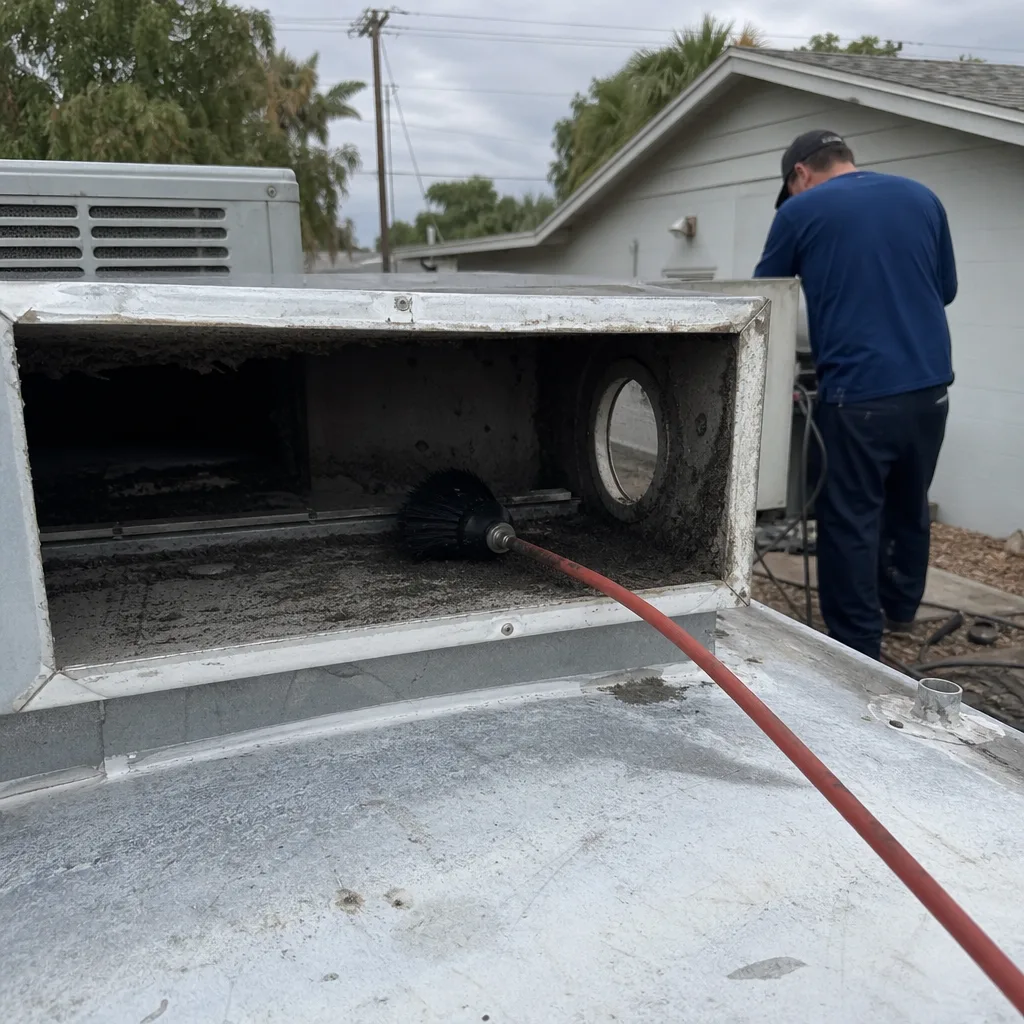 Before
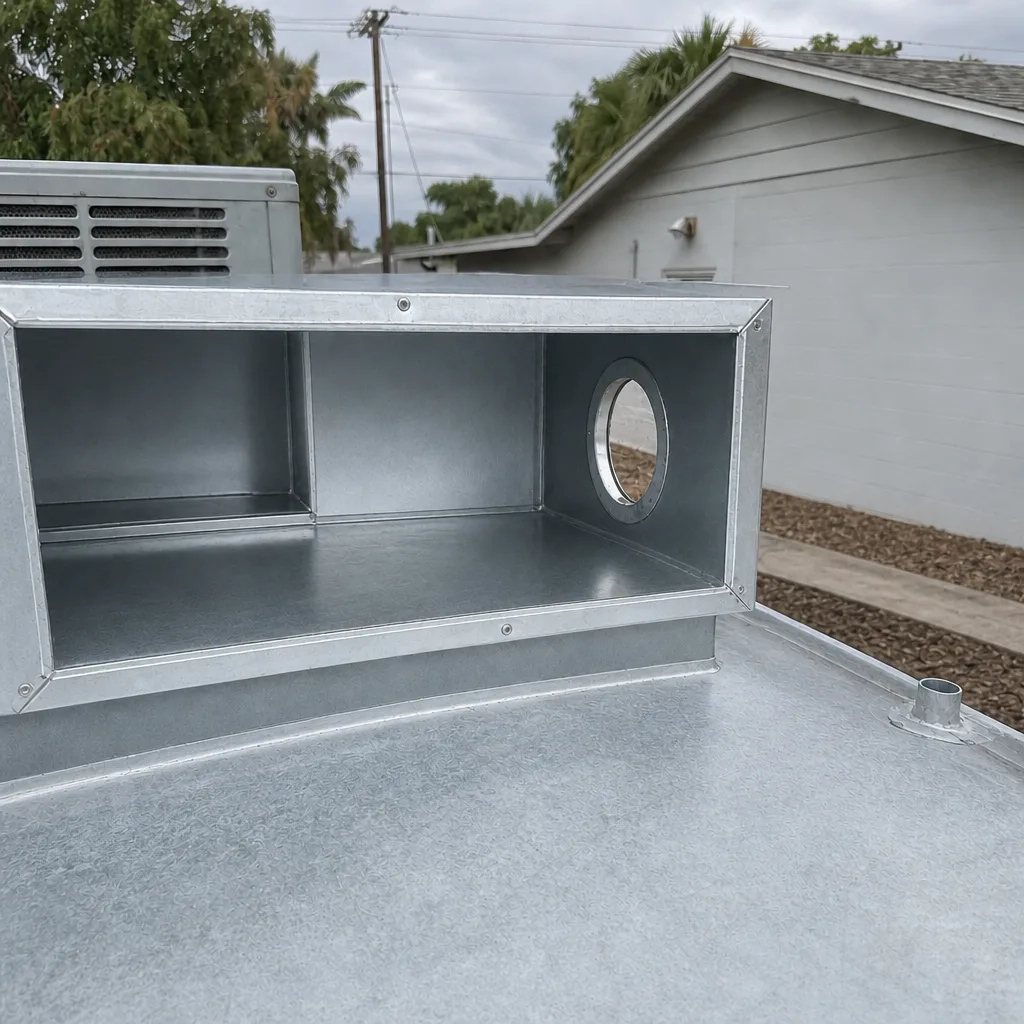 After
When to Call a Professional
Call a professional when you can smell the problem: a musty odor that gets stronger when the HVAC kicks on, dust settling on surfaces days after you cleaned, airflow that’s weak at some registers and strong at others, or a dryer that takes two cycles to dry a load that used to take one. Those aren’t maintenance signals; they’re ventilation symptoms that need diagnosis, not a longer filter change schedule.
You should also call if your system hasn’t been professionally assessed in several years, if you’ve recently moved into a Tempe home and don’t know the duct history, or if a previous cleaning left you with more questions than answers. Duct Cleaning Tempe offers free estimates in Tempe. Call (866) 261-1801. We answer 24/7. Fast dispatch from 7am to 7pm, Sunday through Friday.
Frequently Asked Questions
No, Arizona does not issue a specific license for duct cleaning, so there is no license to verify. Because of that gap, ask about insurance, equipment names, and written scope rather than expecting a license number. A contractor with proper liability and workers’ compensation coverage and a clear equipment answer is a stronger signal than a license claim that can’t be checked.
Residential air duct cleaning in Tempe typically runs in the range quoted by your written estimate after a technician scopes your specific system, since home size and duct configuration vary widely across the city. The rule to hold to is a single flat price for the whole system agreed before work starts, never a per-vent number. Call (866) 261-1801 for an exact quote; estimates are free.
NADCA membership belongs to the company; ASCS certification belongs to the individual technician. Membership means the business has joined the industry association that sets standards, while ASCS is the personal credential indicating the person doing the cleaning has been trained to the association’s standard. Ask about both, and ask specifically whether the technician arriving at your home holds the certification.
Cheap quotes usually reflect less equipment, faster visits, and often a per-vent pricing model that has room to grow once the crew is on site. A quote may not include the air handler, may skip containment, or may rely on compressed air alone instead of a proper rotary brush and HEPA negative-air system. The low number is not dishonest on its face; the question is what it actually covers.
Before-and-after photos of your own ducts, a scope of work that lists exactly what was serviced, and confirmation that the air handler was included are the three things that let you verify the job. If a contractor can’t provide photographs of your system’s registers before and after, you have no evidence to check. Call (866) 261-1801 for an exact quote; estimates are free.
There’s no universal interval; the honest answer depends on your system, your household, and what a technician finds on inspection. Homes with pets, recent renovation dust, or a previous owner who never serviced the system often need it sooner than the standard advice suggests. In Tempe, where dusty conditions are common, an inspection years apart is not the same as an inspection that hasn’t happened at all.
The Bottom Line
Hiring a duct cleaning contractor in Tempe comes down to five questions and one test of honesty. The questions cover agitation equipment, containment, repair capability, technician credentials, and photo proof. The test of honesty is whether the contractor puts a flat price for your whole system in writing before work starts, with the air handler and dryer vent addressed as part of the scope. Arizona’s missing license requirement means the burden falls on you to ask, and that’s fine, because once you know which questions to ask, the wrong contractor disqualifies themselves in the first phone call. The right one answers without hesitation and hands you an estimate that reads like a scope, not a brochure.
Contact
If you’re ready to move past the phone screening and get a real answer about your system, we’re the team to call. We use Rotobrush rotary-brush systems and Nikro negative-air equipment, we bring Abatement Technologies filtration containment into the job, and we repair what we find. Every job is one flat price per system agreed before we start, with before-and-after photos of your own ducts as standard practice. Call (866) 261-1801 for a free estimate. We answer 24/7. Fast dispatch from 7am to 7pm, Sunday through Friday. We’re closed on Saturday.
Written by the team at Duct Cleaning Tempe.