
Last updated November 15, 2026
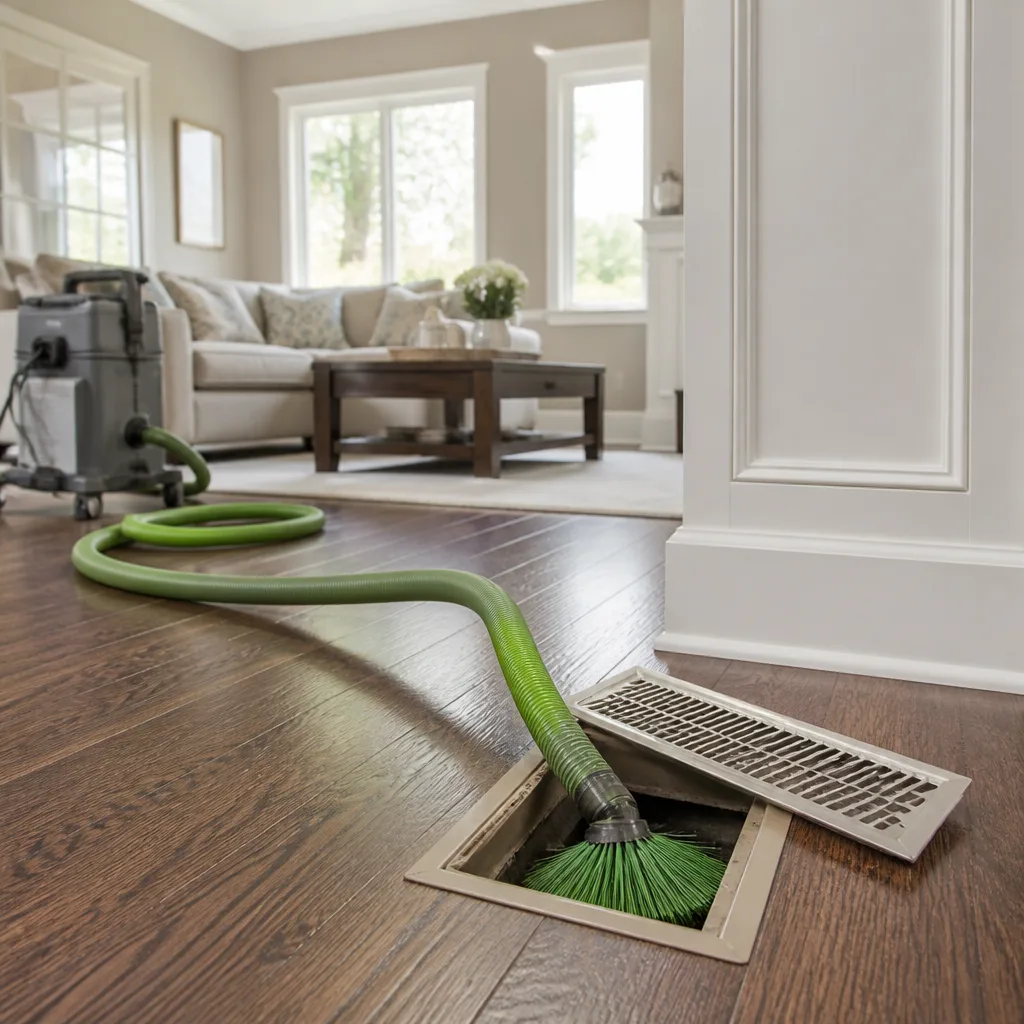 Whole-home duct cleaning
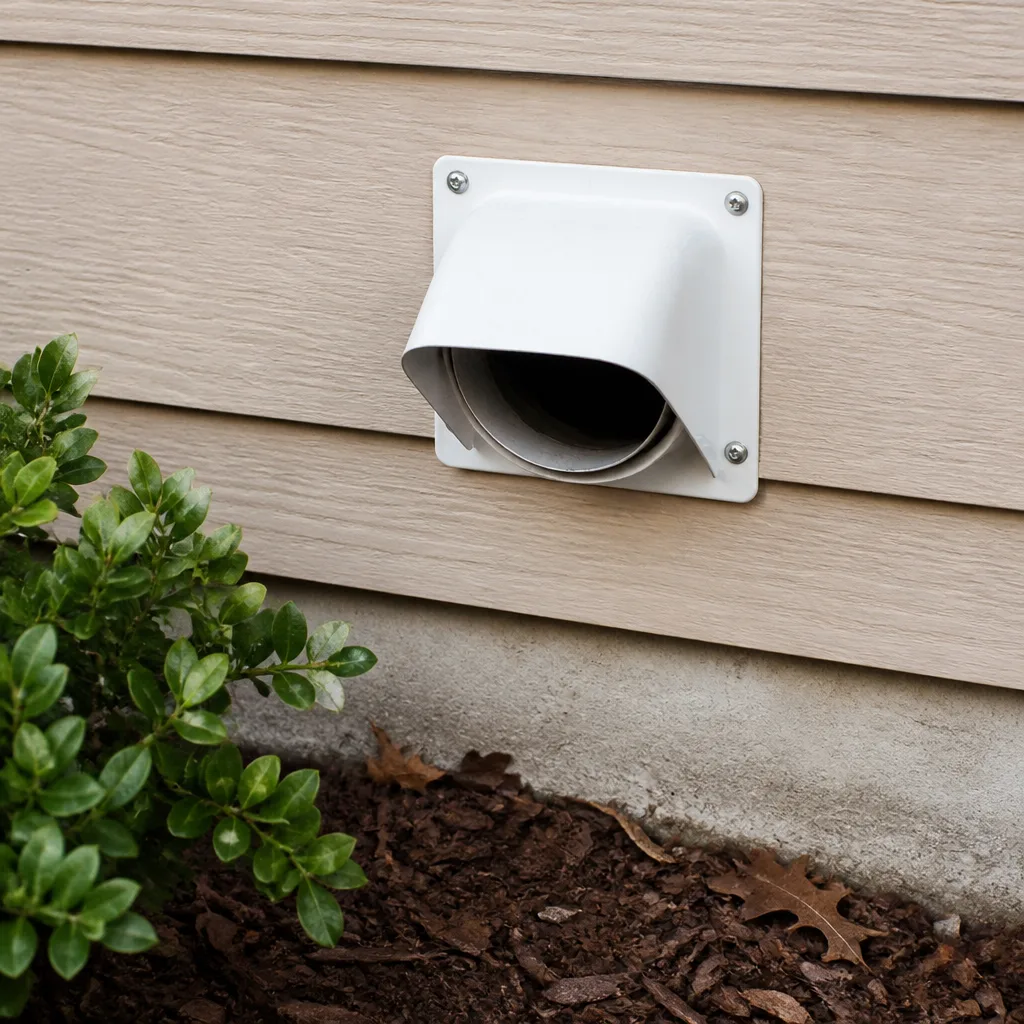 Dryer vent cleaning
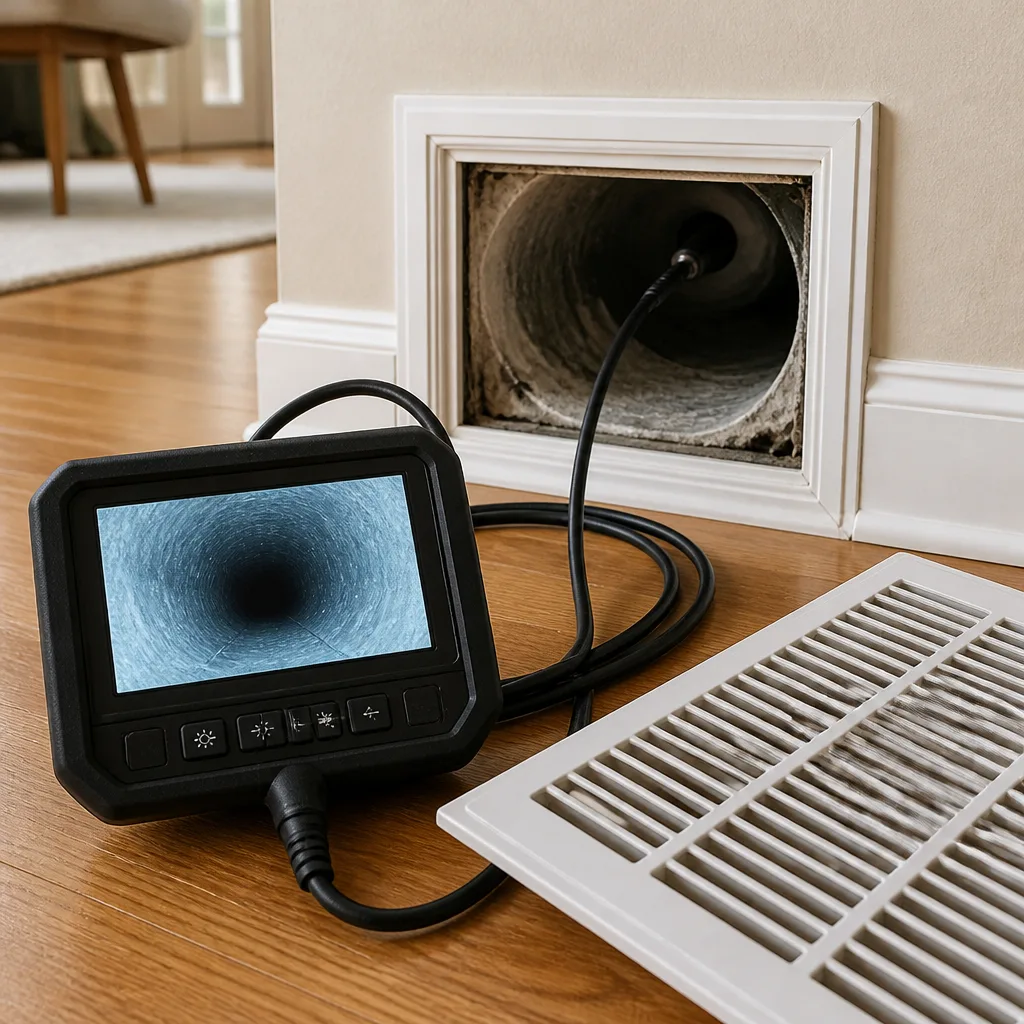 Camera inspection
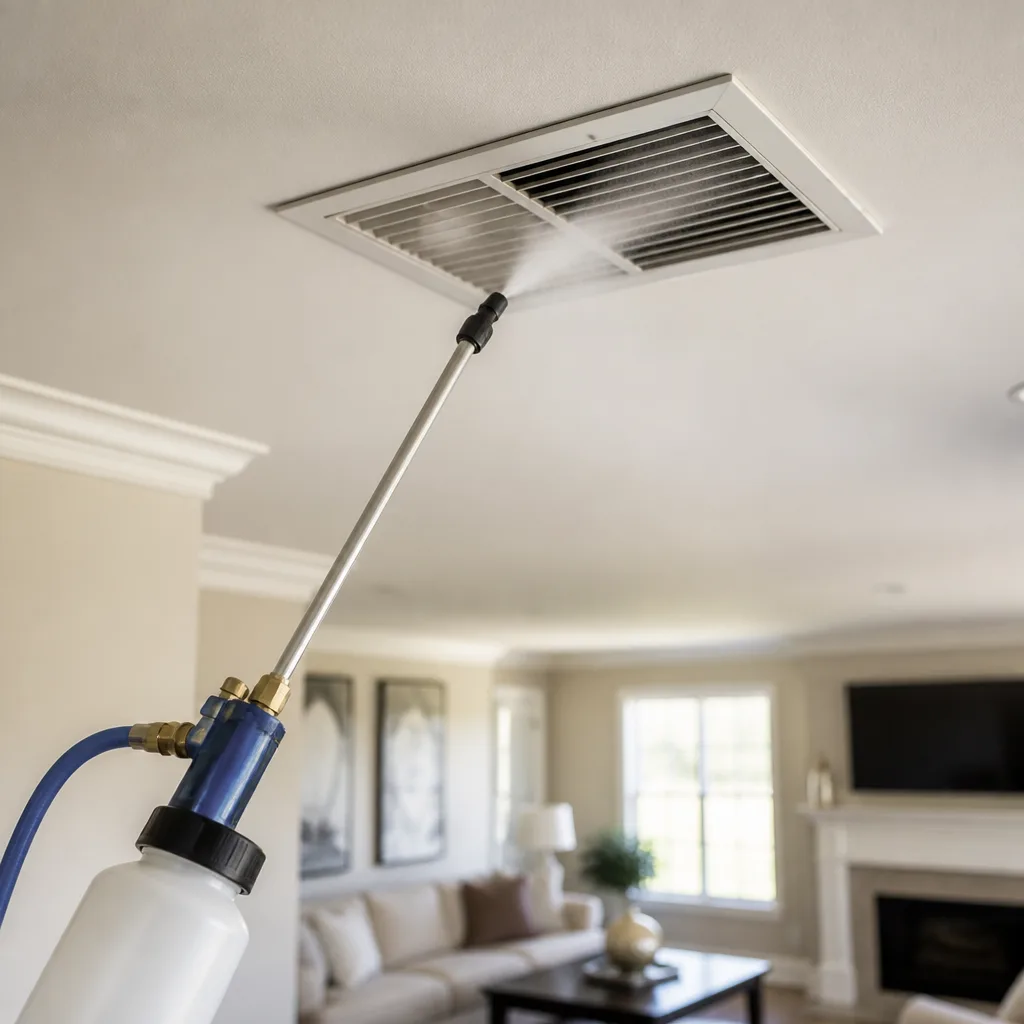 Sanitizing & deodorizing
Whole-system duct and dryer vent check with before-and-after photos - you see exactly what came out of your vents
That "$99 whole-house special" is a bait ad - the real number appears once they are in your hallway, or the "clean" is a shop-vac at the register. We photograph the inside of your ducts before and after instead.
Air Duct Cleaning Cost Breakdown: The Tempe Homeowner’s Reference for 2026
That $149 “whole-house duct cleaning” mailer showing up in Tempe mailboxes is a useful document, but not for the reason the sender intended. It tells you, with the price, exactly what equipment is not being brought to your door: a $149 invoice cannot cover a truck-mounted or portable negative-air machine, a rotary brush system, filter stock, and two technicians for the better part of a day. The price itself is the diagnostic. What we’d rather give you is the map behind the map: what each line item on a legitimate duct cleaning quote actually pays for, how Tempe’s single-story slab construction and attic-mounted air handlers change job complexity, and how to compare two written scopes side by side instead of two bottom-line numbers. That’s what this guide covers, start to finish.
Quick Answer
In Tempe, air duct cleaning in 2026 typically runs $350 to $650 for a standard single-story home with a full-system rotary-brush cleaning and negative-pressure containment, and it climbs toward $800 to $1,200+ when heavy debris, air handler cleaning, multiple returns, or duct repair line items are added. A dryer vent add-on usually adds $100 to $200. Professional-grade equipment and a proper scope of work drive the price, not the number of vents ticked off on a coupon. Call (866) 261-1801 for a free written estimate that itemizes every line.
Styles & brands we work with
- Whole-home duct cleaning
- Dryer vent cleaning
- Camera inspection
- Sanitizing & deodorizing
Table of Contents
- What Should Actually Be On a Duct Cleaning Invoice?
- What Can a $99 – $199 Duct Cleaning Physically Accomplish?
- How Does Tempe Home Construction Affect Duct Cleaning Cost?
- Cleaning vs. Repair: What Changes the Price?
- What Does Dryer Vent Cleaning Add?
- How Do You Compare Quotes Apples-to-Apples?
- Common Mistakes to Avoid
- Frequently Asked Questions
What Should Actually Be On a Duct Cleaning Invoice?
A legitimate duct cleaning invoice itemizes equipment, labor, and scope by component, not by a single flat dollar amount attached to a marketing slogan. When we build a quote in Tempe, the number is assembled from a handful of predictable parts.
The core line items
- Full-system rotary-brush cleaning: Rotary-brush agitation on every supply and return run, plus the trunk line. This is the bulk of the price and the labor. It’s most of what you’re paying for.
- Negative-pressure containment: A Nikro negative-air machine pulling the entire system under vacuum while brushes dislodge debris, capturing material at the source. This is the single biggest equipment differentiator between a real cleaning and a shop-vac pass.
- Air handler cleaning: The blower compartment and evaporator coil area accumulate dust, lint, and debris. Many budget quotes skip this entirely. It’s often the dirtiest part of the system.
- Register and grille removal and cleaning: Every supply and return register comes off, is cleaned, and goes back on. If a quote doesn’t mention registers coming off the wall, ask why.
- Return-air drops and plenum: On Tempe’s slab-on-grade homes the return drops run through the attic into the air handler, and they collect the heaviest debris.
- Verification and before-and-after documentation: Photos of your own ductwork before and after cleaning.
What “per-vent” pricing gets wrong
Per-vent prices ($20 a vent, $30 a vent) ignore that a two-vent bedroom with a short flex run is a ten-minute job while a long trunk line feeding four registers might take an hour. Vent count isn’t a proxy for system complexity. On Tempe houses with extended duct runs into converted garages or additions, vent count badly undercounts the real work. We price the system, not the vent head count.
What adds to the estimate
Air handler cleaning, multiple returns, heavy debris loads, and dryer vent service are the usual add-ons. Duct repair, when it’s needed, is scoped separately. Ask for the total scope in writing, line by line, and the price you agree to is the price before any work starts.
What Can a $99 – $199 Duct Cleaning Physically Accomplish?
At $149, a duct cleaning can’t cover the equipment rental, fuel, insurance, labor, and drive time required for a proper whole-system job. That’s not a knock on coupons; it’s arithmetic. So what does the customer on the other end of that coupon actually get?
What the price actually buys
- A light surface pass: Usually one technician, one portable vacuum, and a brush on a whip hose.
- Close to 90 minutes on site: Enough to skim the accessible registers and the first few feet of the closest runs.
- No air handler cleaning, no returns, no containment: The components that hold most of the soil don’t get touched.
- Often an upsell script: The coupon price becomes a starting point, with the technician on site diagnosing “hidden mold” or “damaged flex” as an add-on.
What a full-system job actually requires
- Two technicians, roughly 2.5 to 4 hours on site for a standard Tempe single-story home.
- A Rotobrush rotary-brush system with interchange brush heads sized to duct type.
- A Nikro negative-air machine maintaining containment on the entire system.
- Air handler and evaporator access and cleaning.
- Register and grille removal throughout.
- Before-and-after photo documentation delivered to you.
- Written scope of work, and a written estimate agreed before any dollar of labor starts.
The arithmetic of a low coupon
Professional-grade equipment, two technicians, insurance, and drive time across Tempe to a home near Kiwanis Park or out toward Warner Ranch don’t fit inside a sub-$200 invoice. Something in that equation has to give: hours on site, crew size, equipment class, or scope. None of those are what you want to sacrifice. A coupon is not a discount on the job. It’s a different job at a different price, and it’s usually the wrong one for the underlying problem.
How Does Tempe Home Construction Affect Duct Cleaning Cost?
Tempe’s housing stock is dominated by single-story, slab-on-grade construction, and the air handler is almost always in the attic. That combination adds complexity to a duct cleaning job that flat-rate online calculators can’t see, and it’s the biggest reason a Tempe estimate can differ from a Phoenix or Chandler neighbor who gets quoted on square footage alone.
The attic-mounted air handler factor
An attic-mounted air handler in a Tempe summer attic reaches temperatures that stress both technicians and equipment. Access panels are often tight, the return plenum is boxed in, and the equipment has to be staged around roof framing. Every one of those realities adds time. That time has a cost, and any honest quote reflects it. A quote built purely on square footage or vent count ignores the attic work entirely.
Slab construction and longer duct runs
Slab-on-grade homes often have duct runs routed through the attic, wrapped in standard insulation, and fed from a central trunk. Additions and garage conversions built in Tempe usually extended that trunk with flex duct, which means longer runs feeding smaller spaces. Longer runs collect more dust and require more brush passes. When you’re pricing a Tempe home built in the era of unsealed flex and short plenum insulation, price the actual run length, not the vent count.
Duct material matters
Sheet metal trunks, fiberglass duct board, and flex duct all require different brush heads and different containment techniques. Flex duct sections sag and collect heavier debris at low points, and require gentler agitation than rigid sheet metal. A rotary brush system with interchangeable heads covers all three, but the pricing has to account for the extra time needed. Ask a technician what duct material is in your home before they quote.
Local climate effect
Tempe’s dust season and the year-round air-conditioning cycle mean systems move a lot of air and a lot of particulates for most of the year. Ductwork in this climate isn’t just cycling filtered indoor air; it’s the return path for dust that comes in on every door open and window close. That reality affects both how dirty the system gets and how often it needs attention. It doesn’t add a line item to the invoice, but it’s the reason a one-pass cleaning here often disappoints.
Cleaning vs. Repair: What Changes the Price?
Cleaning addresses what’s in the ducts. Repair addresses what’s wrong with the ducts themselves: compromised flex, disconnected runs, crushed sections, and gaps at the plenum that push conditioned air into the attic instead of into the house. That distinction is the single biggest cost driver after scope, and it’s the line item most quotes on the market either inflate or ignore entirely.
When a repair line item is legitimate
- Disconnected or separated flex runs: Common at wyes and transitions in Tempe attic runs. Without repair, cleaning is wasted because the system leaks the cleaned air into the attic.
- Crushed or kinked flex duct: Usually the result of attic work, roof replacement, or pest access. Crushed runs choke airflow to specific rooms.
- Failed plenum connections: The junction between the air handler and trunk loses its seal, and the system dumps a significant share of its airflow into the attic.
- Duct board with damaged facing or seams: The seal fails and the inner duct surface becomes porous.
- Ripped or missing register boots: The boot-to-duct junction is a common leak point in every Tempe home.
When a repair line item is a red flag
- “Mold remediation” scoped by a duct cleaner without evidence. We carry Abatement Technologies air filtration equipment because remediation-level work calls for it, and we know the boundary. If a technician can’t show you photos of the affected section, ask hard questions.
- Full duct replacement quoted off a single flex-duct tear. Replacement rarely cures a leak that a proper repair and seal would fix.
- Duct sealing quoted without a pressure test or a documented leak location.
What a repair-inclusive scope looks like
A proper scope identifies the specific defect, shows a photo, prices the repair as a discrete line item, and separates it from cleaning. We repair what we find, which is why our scope usually runs a page longer than a coupon. A written estimate should show both numbers and the recommended order. Call (866) 261-1801 for an exact quote – estimates are free.
What Does Dryer Vent Cleaning Add?
Dryer vent cleaning usually adds $100 to $200 to a duct cleaning visit in Tempe, and it’s the single most under-priced service on most invoices. That’s the wrong framing for what’s actually a fire-safety issue. Lint is highly combustible, and a lint-clogged dryer vent is one of the leading causes of residential fires in the United States. It’s not a maintenance afterthought, and the cost of skipping it far exceeds the cleaning fee.
Why bundle dryer vent cleaning with duct cleaning
- One visit, one dispatch: Bundling the two services eliminates a second appointment, second drive, and second setup.
- Same equipment class: Rotary brush systems and negative-air capture handle both duct and dryer vent work.
- Same documentation: Before-and-after photos of the dryer vent, not just the ducts.
- Roof or wall vent access: On many Tempe homes the dryer vent terminates through the wall near the laundry, but some units run through the attic and roof. Access point complexity affects time, not the safety value.
How to tell you need it
Clothes taking more than one cycle to dry, a dryer that feels hot to the touch on top, a musty smell in the laundry room, or visible lint accumulating around the exterior vent flap. Any of those is a call-a-professional trigger, not a “keep an eye on it” trigger.
What the service involves
- Disconnect the dryer exhaust hose and inspect the vent run end to end.
- Rotary brush the full length of the vent from the dryer connection to the exterior termination.
- Capture dislodged lint with negative-air filtration so it doesn’t end up in the laundry room.
- Verify airflow at the exterior termination with the dryer running.
- Reconnect the dryer hose, check the termination flap, and document with before-and-after photos.
Pair it with a duct cleaning visit and the incremental cost is lower than scheduling separate appointments. The safety value doesn’t drop because you combined the work.
How Do You Compare Quotes Apples-to-Apples?
Two quotes that read $499 and $399 don’t tell you which is the better value until you put the written scope of work side by side. The scope is where the real difference lives, and a well-designed scope forces a fair comparison.
The scope-of-work checklist
- Equipment named: Does the quote specify rotary-brush equipment and negative-air containment? “State-of-the-art equipment” tells you nothing.
- Components itemized: Are supply runs, return runs, plenum, air handler, and registers each listed separately?
- Vent count stated (and priced per system, not per vent): A per-vent price means the invoice is a guess.
- Repair line items separated: Cleaning and any recommended repair should be priced as separate line items, not bundled into one opaque number.
- Before-and-after photos promised: If your own ducts aren’t being photographed before and after, the cleaning is unverified.
- Written estimate signed before work: One flat price per system agreed before the work starts is the standard, and it eliminates the “we found more” upsell.
- Insurance and licensing: “Insured and bonded” in writing, not in a phone call.
The line-item comparison in practice
Lay both quotes out with columns for equipment, components, documentation, repair scope, and total. A quote that’s $100 higher but includes air handler cleaning and before-and-after photos is often cheaper than the quote that skipped them. And a quote that pads the bottom line with an unspecified “sanitizing spray” isn’t providing a service; it’s adding a line. Ask which line items are optional and which are necessary to solve the actual problem in your system.
Red flags in a written scope
- No equipment named.
- No component list.
- No documentation commitment.
- No repair section, or repair bundled into the cleaning line.
- Lifetime promises or “guaranteed mold-free” language.
- Prices quoted per vent.
If any of those show up, ask for a revised scope before signing, or get a second estimate. Our technicians have up to 10 years of experience and write a line-item scope every time we quote in Tempe.
How Does the Equipment Stack Affect What You Pay?
Professional-grade equipment costs more to buy and more to run, and that shows up in the estimate. It also determines what’s actually achievable on the job. There’s no honest way to separate those two facts.
Rotobrush rotary-brush systems
The professional standard for mechanical agitation inside ductwork. Interchangeable brush heads handle rigid sheet metal, duct board, and the softer flex duct that runs through most Tempe attics. Rotary brushing physically dislodges soil from the duct walls. A shop-vac pass and a whip hose don’t reach the trunk or the plenum; the rotary brush does.
Nikro negative-air machines
Negative pressure is the other half of the method. The Nikro machines pull the system under vacuum while the brushes work, capturing dislodged debris at the source. That combination (mechanical agitation plus negative-pressure containment) is what stops a cleaning from redistributing debris into the living space. It’s why cleaning costs what it does; it’s why the cheap quotes come without it.
Abatement Technologies air filtration
The same equipment class used in mold and remediation projects. On Tempe jobs where there’s evidence of microbial growth, pest activity, or heavy debris loads, containment-level filtration keeps the working environment clean and the cleaning verifiable. Not every job needs it, but the equipment should be available when the scope calls for it.
Guardsman surface protection
Floor and surface protection during the service keeps the house unchanged while the work is done. Small detail, but it’s what lets a cleaning happen in a furnished home without a second thought.
Filtration upgrades after cleaning
Clean ducts are the starting point, not the finish. Once a system is clean, the right filtration keeps it that way. Honeywell and Aprilaire filtration products are the two biggest names in whole-home air quality, and we recommend the right media thickness and filter class based on the system rather than a one-size default. A cheap filter left in for months is a worse outcome than a slightly higher-MERV filter replaced on schedule. The cost of a filtration upgrade is separate from the cleaning line item and always optional.
How Often Should Duct Cleaning Actually Be Done in Tempe?
The honest answer is “depends,” and any company that says otherwise is selling a schedule, not a service. The typical triggers are visible dust blowing from registers after a filter change, musty smells that appear when the system starts, uneven airflow between rooms, and a recent renovation or drywall project. In Tempe’s dusty climate and long cooling season, systems do accumulate more than in milder markets, but that’s a factor, not a fixed interval.
Reasonable intervals to consider
- Every few years if you have pets, allergy sufferers in the house, or had a recent renovation.
- When you move into a resale home, especially one where you don’t know the prior owner’s maintenance history.
- After a roof replacement, drywall project, or any work that opened the attic near the ductwork.
- Whenever you smell something.
Signs the system needs attention
Airflow that’s weaker in one room than another. Dust settling on surfaces faster than usual. Visible debris at the return grille. A recent rise in energy bills despite no change in usage. Any of those is worth a look. None of them mean “call today”; they mean “get an estimate and find out whether cleaning is the answer or whether there’s a repair underneath.”
What “how often” shouldn’t be
It shouldn’t be an annual contract sold as a discount program. A cleaning that’s done right last a long time. A cleaning sold on a maintenance plan schedule can be a repeat skim that never addresses the air handler or the return plenum where the actual debris lives.
See the difference
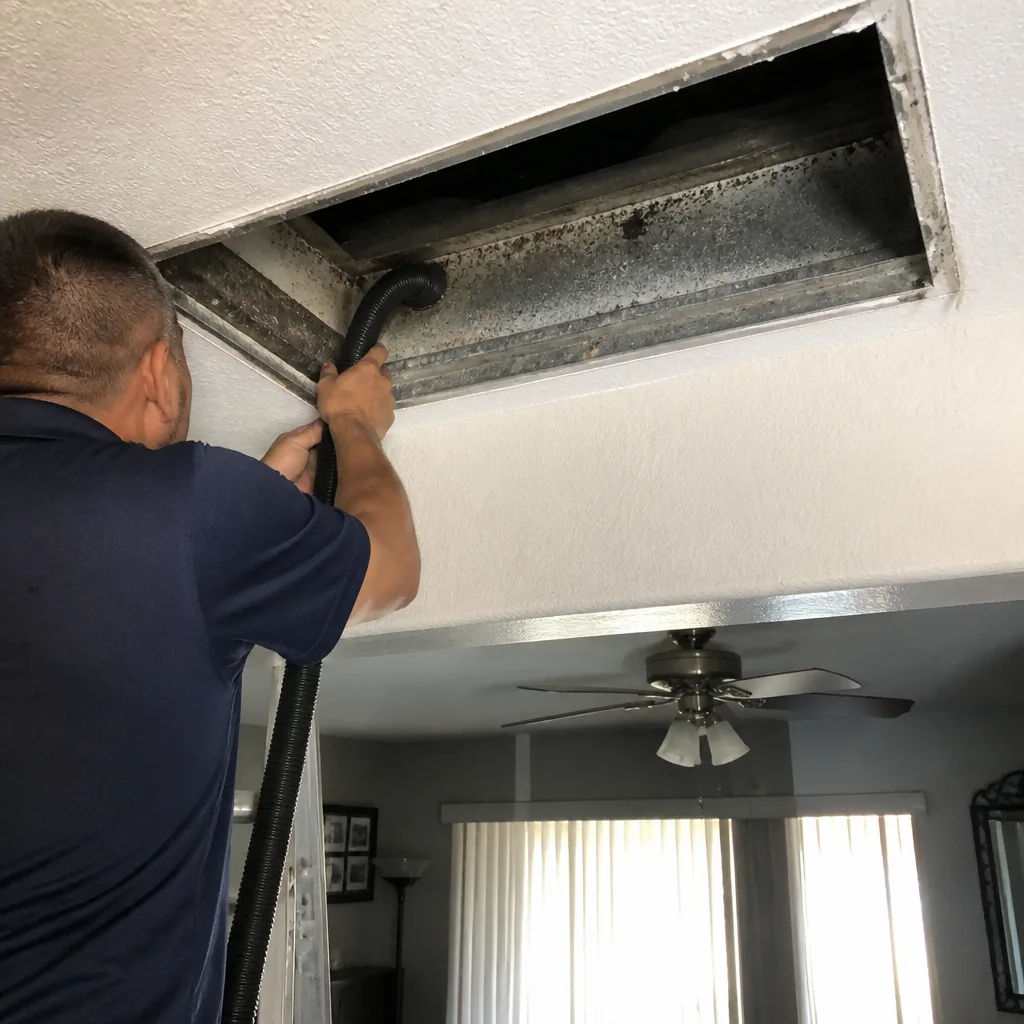 Before
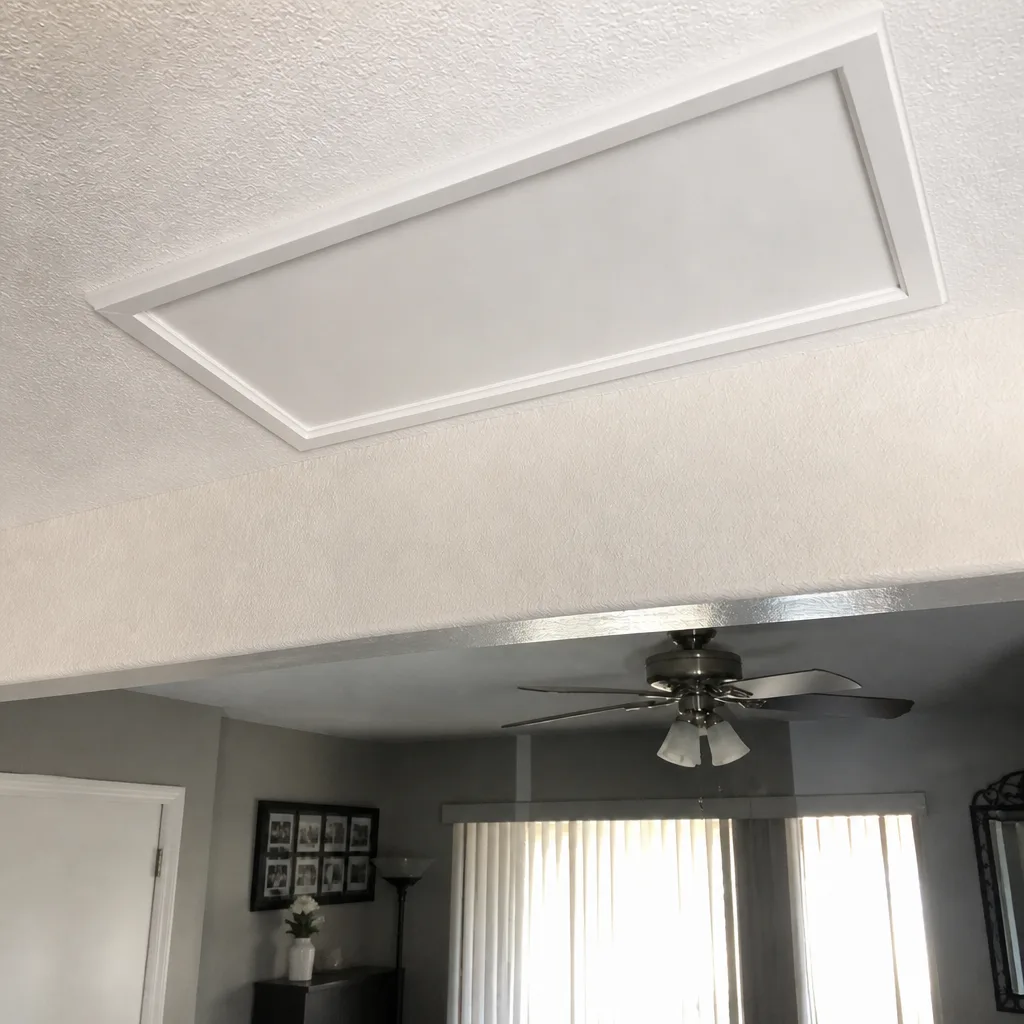 After
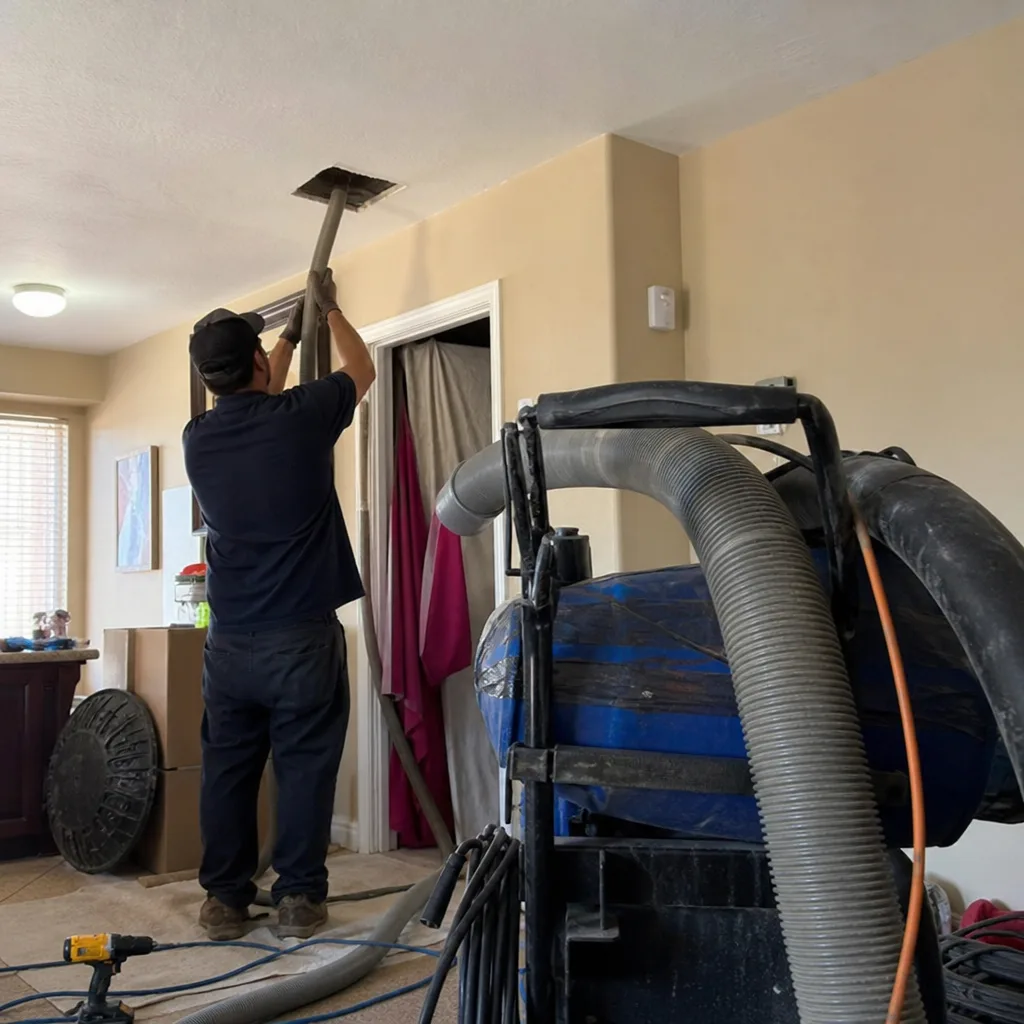 Before
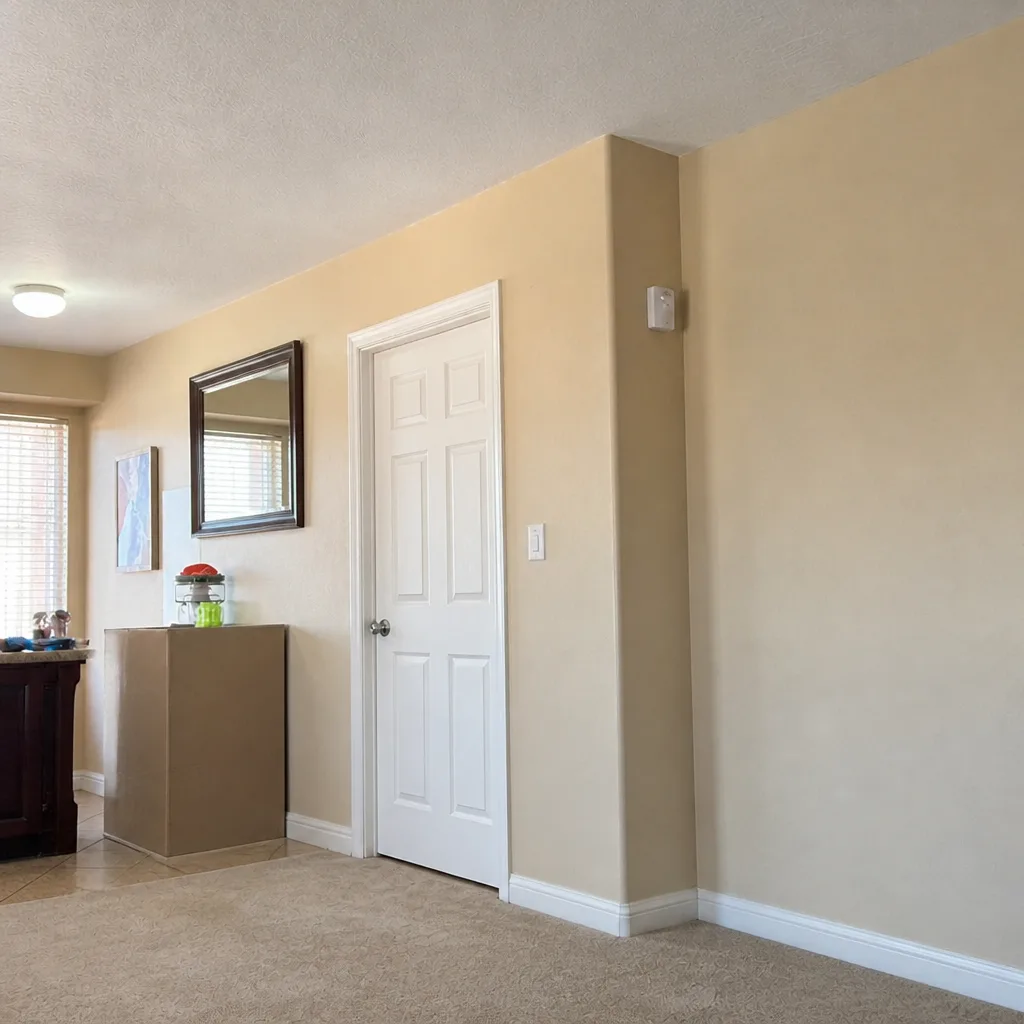 After
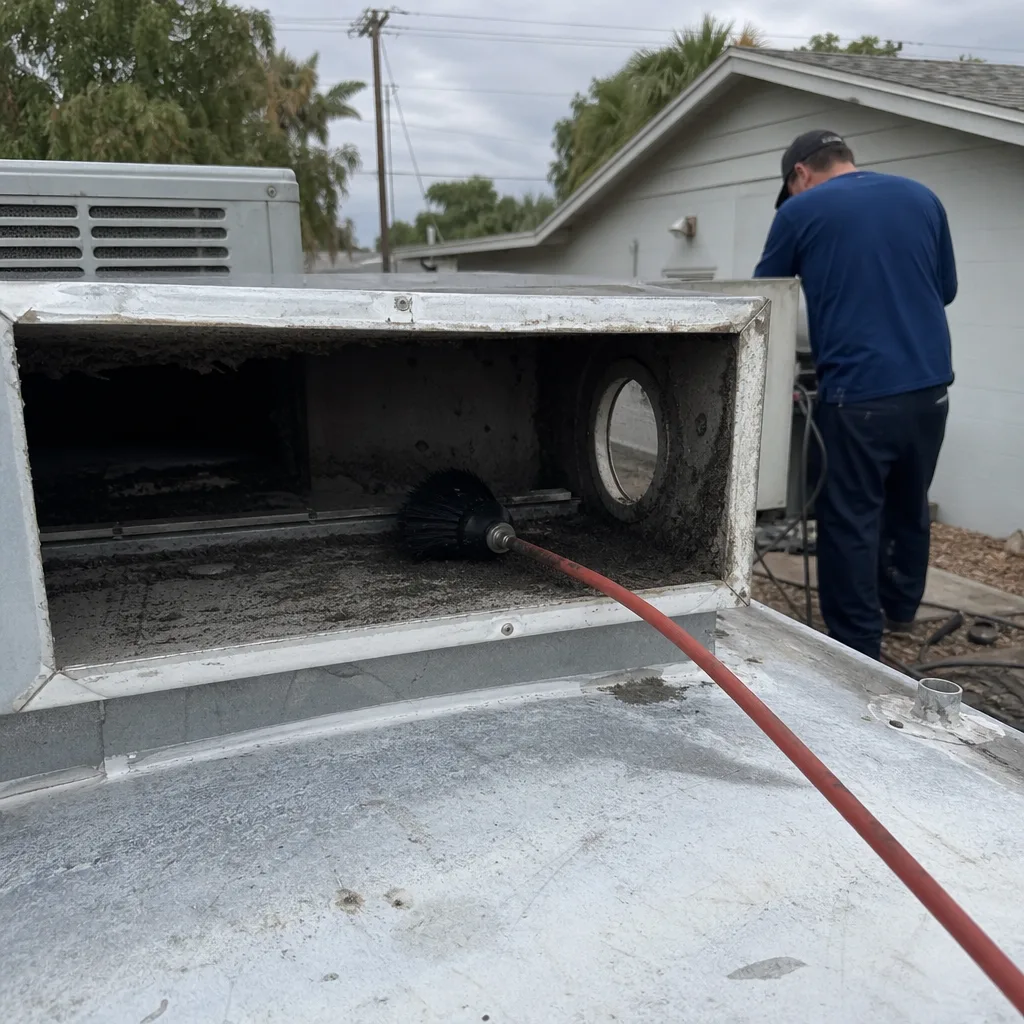 Before
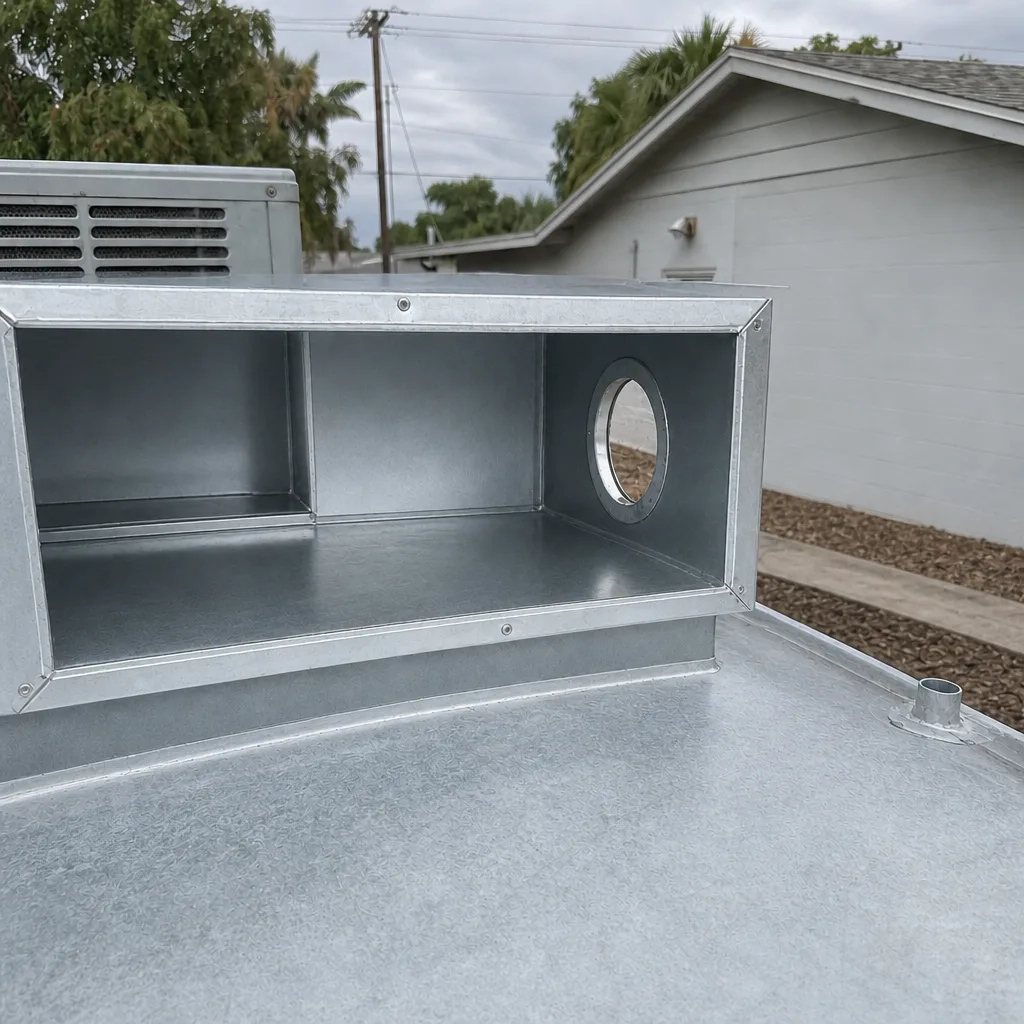 After
Common Mistakes to Avoid
- Trusting a coupon price as the total. A $99 or $149 coupon is rarely the total invoice, and it almost never includes air handler cleaning, return plenum cleaning, or negative-pressure containment. Ask for the total written estimate first.
- Accepting per-vent pricing. Per-vent prices ignore that duct run length, attic access, and duct material drive the real labor. A per-vent price can look fair on a five-vent house and be a rip-off on an extended-run property near Papago Park.
- Skipping the air handler. The blower and evaporator area collect dust, lint, and debris that a duct cleaning alone leaves behind. If air handler cleaning isn’t in the scope, the job is incomplete.
- Ignoring the return plenum. On Tempe’s attic-mounted systems, the return drops in the attic run longer than the supplies in many homes. A cleaning that skips returns has cleaned the wrong half.
- Getting a “report” and nothing else. A company that hands you a printed report with photos of displaced flex, crushed runs, or a failed plenum and then leaves is only providing the diagnostic. Get a repair estimate and a timeline before they walk out the door.
- Letting the crew skip documentation. Without before-and-after photos of your own ducts, you have no way to know whether the cleaning happened. Insist on it in the written scope.
- Treating dryer vent cleaning as a bonus. Lint-clogged dryer vents are a fire risk, not a maintenance nicety. Bundle it with duct cleaning if you can, but get it done.
When to Call a Professional
Cleaning a duct system that’s holding a real defect is wasted money. Boxed-in duct work, pest intrusions, or microbial growth in the plenum are not a homeowner problem to sort out alone. Attic-mounted air handlers and sloped ceilings in Tempe homes make access tricky, and electrical or gas near the air handler raises the stakes on any work inside the unit. If a flex run is torn, if a register boot has separated, if the air handler compartment shows evidence of pest activity, or if you can see debris on the plenum interior, call a professional rather than try to reach into the attic yourself.
Airflow problems worth a call: warm spots in a single room despite the thermostat being set the same as the rest of the house, dust reappearing within days of cleaning surfaces, or musty smells that show up only when the AC starts. Same for a dryer that takes two cycles to dry a normal load. Fast dispatch from 7am to 7pm, Sunday through Friday, gets a technician out to look. Duct Cleaning Tempe offers free estimates in Tempe – call (866) 261-1801. A written scope of work and one flat price per system, agreed before any work starts, is what you should prepare to sign.
Frequently Asked Questions
For a standard single-story Tempe home, expect $350 to $650 for a full-system rotary-brush cleaning with negative-pressure containment and air handler cleaning included. Scoped jobs with heavy debris, multiple returns, or repair line items typically run $800 to $1,200+. Dryer vent cleaning adds $100 to $200. Call (866) 261-1801 for an exact quote – estimates are free.
Because they’re selling a different job: usually one technician, a portable vacuum, and a surface pass in under two hours with no air handler cleaning and no negative-pressure containment. The price difference isn’t profit margin; it’s equipment class and labor scope. A proper scope names the equipment and itemizes components. If the quote doesn’t, ask for a revised one before signing.
Before-and-after photos of your own ductwork, not stock images. Ask for documentation in the written scope, verify the register covers were removed and replaced, and confirm the air handler compartment was opened. A technician who can’t show the before-and-after of your specific ducts didn’t do the job you paid for. Call (866) 261-1801 to book an estimate that includes photo documentation.
Yes, mostly because of dust loads and the long cooling season. Systems in Tempe move a lot of air, and dust from open doors, windows, and attic movement finds its way into return drops. That doesn’t mean annual cleaning; it means clean when the signs show up: dust returning fast, uneven room airflow, musty smells, or recent renovation. Get an estimate before committing to any schedule.
Often yes, when the repair is a smaller fix like a torn flex run, a separated plenum connection, or a ripped register boot. Larger repairs get scoped and priced before the work is scheduled. Our technicians have up to 10 years of experience and carry the equipment to identify the defect during cleaning rather than handing you a report and walking away. Call (866) 261-1801 for a combined cleaning-and-repair estimate.
Yes. A lint-clogged dryer vent is a fire risk, not a maintenance nicety. Bundling it with duct cleaning removes the second appointment, and the same equipment handles both. Typical add-on runs $100 to $200, and the safety value is the point, not a discount. Call (866) 261-1801 to schedule both in one visit.
The Bottom Line
Duct cleaning pricing in Tempe is a wide spread because it covers two different kinds of work, not two profit margins on the same job. A $149 coupon buys a surface pass with a shop vac; a $500 to $900 estimate buys a full-system cleaning with rotary-brush agitation, negative-air containment, air handler cleaning, before-and-after photos, and a written scope that separates cleaning from repair. Read every quote as a scope, not a number. Ask what equipment is used, what components are itemized, whether documentation is included, and how the estimate handles dryer vent cleaning and repair. Then compare. Our technicians have up to 10 years of experience and we bring Rotobrush, Nikro, and Abatement Technologies equipment to every scoped job. Call (866) 261-1801 for a free estimate. We answer 24/7. Fast dispatch from 7am to 7pm, Sunday through Friday. Call (866) 261-1801.
Written by the team at Duct Cleaning Tempe.