
Last updated November 15, 2026
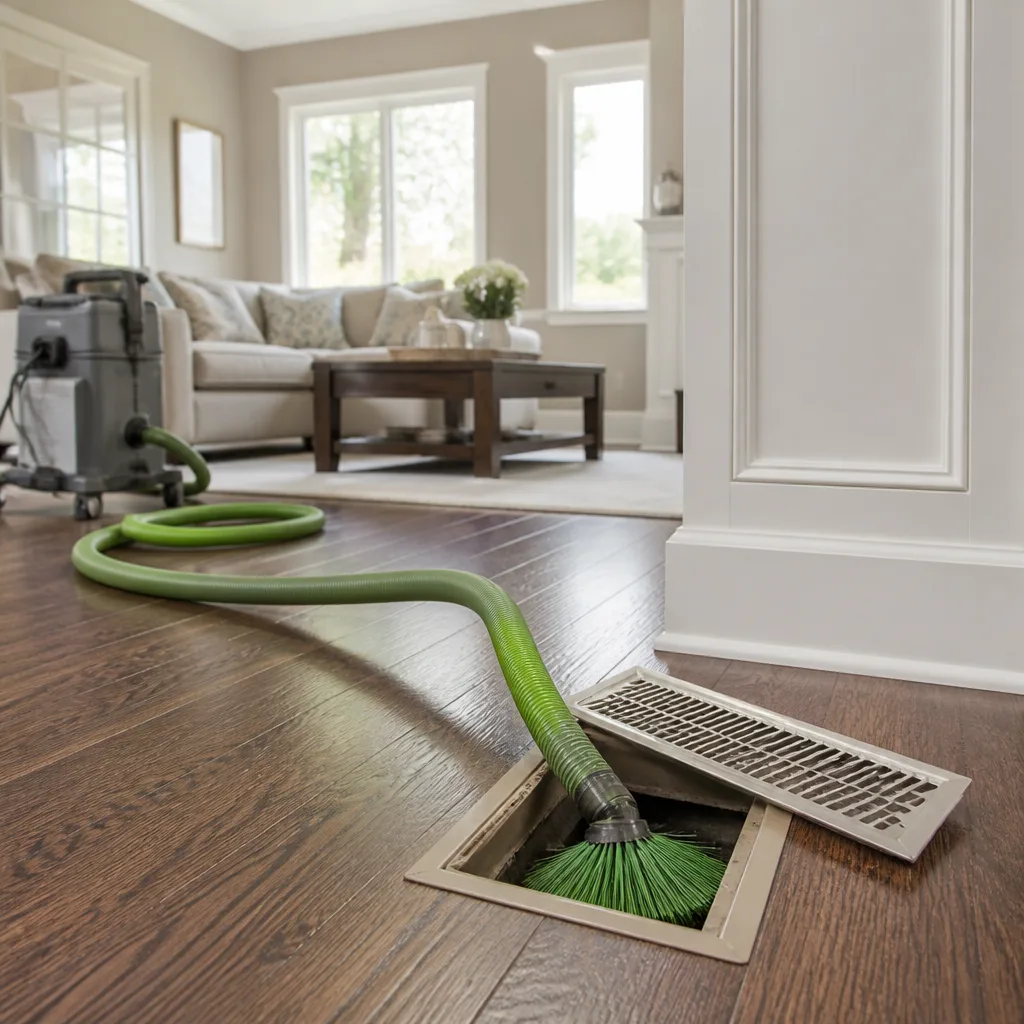 Whole-home duct cleaning
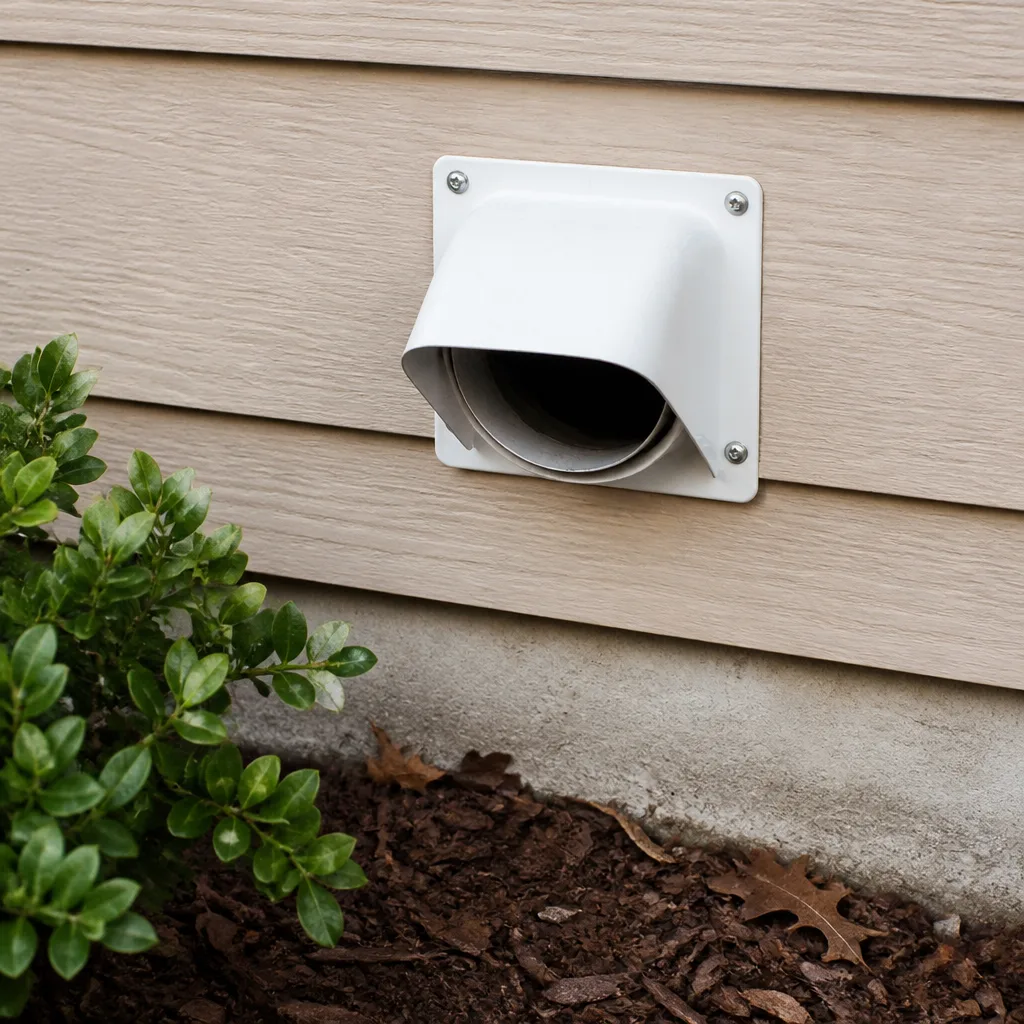 Dryer vent cleaning
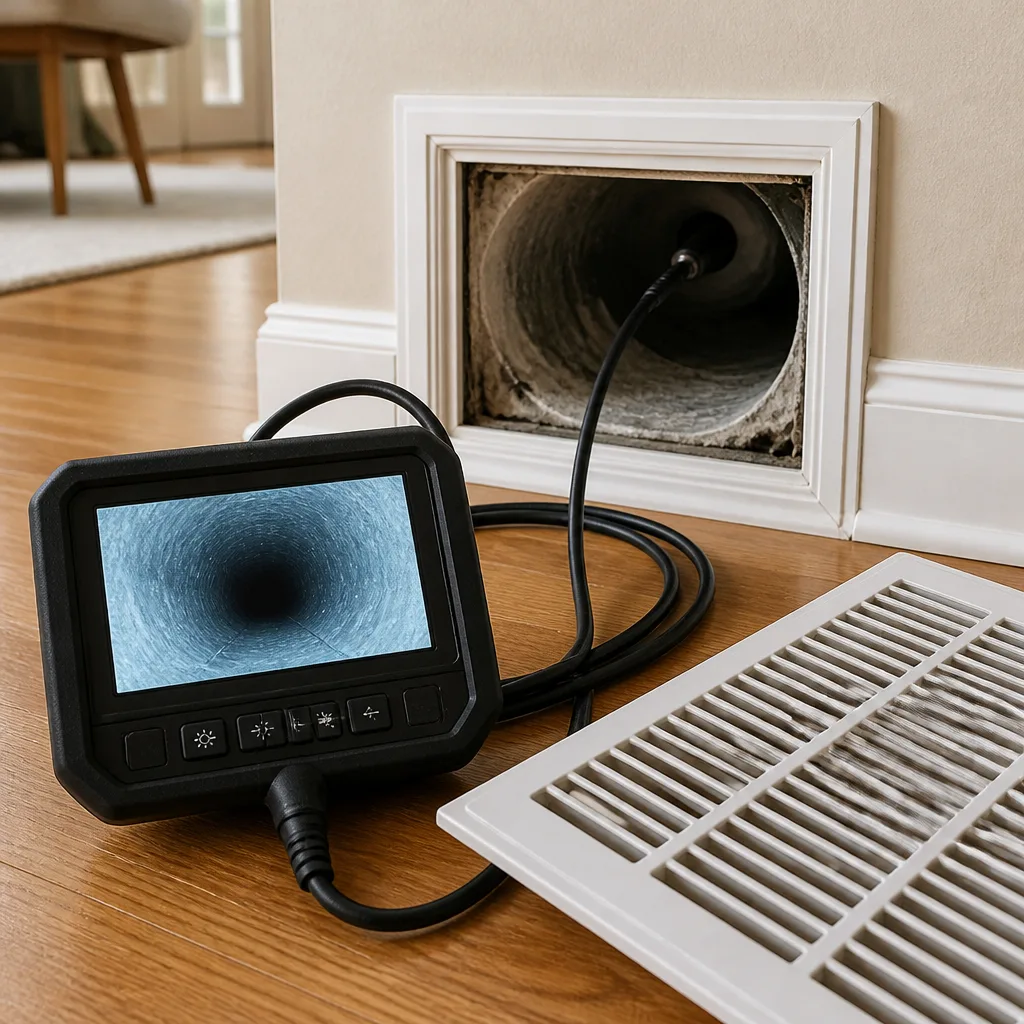 Camera inspection
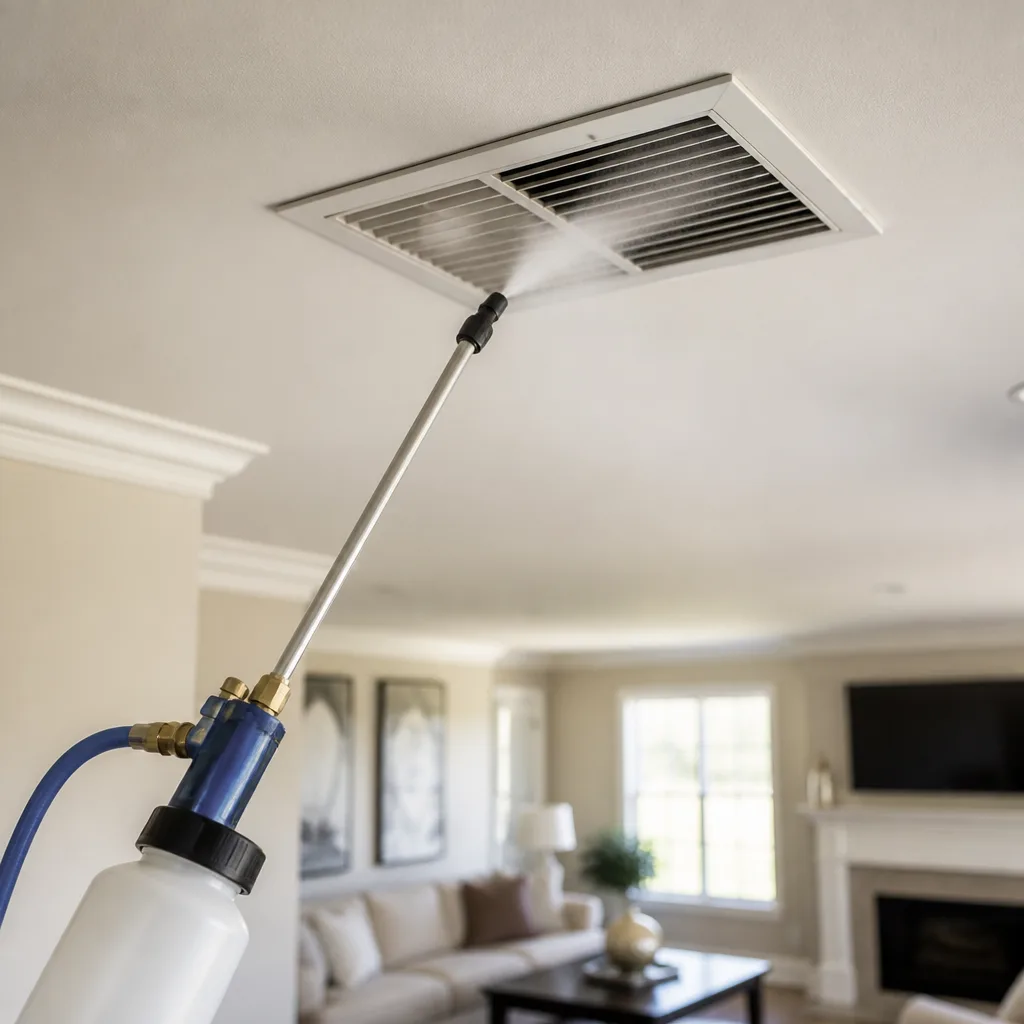 Sanitizing & deodorizing
Whole-system duct and dryer vent check with before-and-after photos - you see exactly what came out of your vents
That "$99 whole-house special" is a bait ad - the real number appears once they are in your hallway, or the "clean" is a shop-vac at the register. We photograph the inside of your ducts before and after instead.
Air Duct Cleaning Maintenance Schedule: What to Do and When
Most air duct cleaning advice you’ll find online repeats the same number: every three to five years, no questions asked. That number was never built for Tempe. A house here runs its air conditioner ten months or more out of the year, and every one of those hours pushes filtered air through the same run of ductwork. By the time a northern home has cycled the air volume of fifteen seasons, a Tempe home has often matched it in three or four. A calendar-based schedule ignores that entirely. This guide builds the schedule from the variables that actually drive contamination: runtime hours, filter grade, construction activity, storm intrusion, and how many people and pets share the space. You’ll leave knowing how to calculate a cleaning interval for your own house, what to inspect between visits, and which maintenance tasks belong alongside every professional cleaning.
Quick Answer
There’s no single correct interval for air duct cleaning. A reasonable starting point in Tempe is every two to three years for a home with a basic filter and heavy AC runtime, stretching toward four to five years for a tightly filtered, low-occupancy home that stays buttoned up during haboobs. The real trigger is HVAC runtime hours and what’s collecting at the supply registers, not the calendar. When you see visible dust buildup at the registers or a musty smell coming from the vents, the schedule has already reset.
Styles & brands we work with
- Whole-home duct cleaning
- Dryer vent cleaning
- Camera inspection
- Sanitizing & deodorizing
Table of Contents
- Why Runtime Hours Beat the Calendar
- How to Calculate Your Cleaning Interval
- Tempe Environmental Triggers That Reset the Schedule
- Filtration Grade and How It Changes the Timeline
- What to Inspect Between Professional Cleanings
- Maintenance Tasks That Should Accompany Every Cleaning
- Common Mistakes to Avoid
- When to Call a Professional
Why Runtime Hours Beat the Calendar
An air handler doesn’t care what month it is. It cares how many cubic feet of air it has moved. A Tempe house running its cooling system from March into November can easily cycle 20,000 to 40,000 cubic feet per minute of air movement per hour of operation, and that air carries whatever dust, pollen, and lint made it past the filter. Multiply that by a full cooling season and the total volume dwarfs what a home in a milder climate pushes through in several years. If your neighbor in a cooler state cleans every five years and sees light buildup, a Tempe homeowner on the same schedule may already be looking at a heavily loaded system.
The practical takeaway is that your service interval should be measured in hours of system operation, not in years on a wall calendar. Put another way: the more your AC runs, the shorter the interval between cleanings. In our experience working on Tempe ductwork, this is the single biggest reason the standard three-to-five-year advice underdelivers here. South-facing homes with older single-pane windows and a lot of afternoon sun can run their systems noticeably harder than a shaded home of the same square footage, and their ducts show it.
You don’t need a logger to estimate this. Many smart thermostats track runtime in hours, and a quick glance at the monthly summary gives you a working number. If yours doesn’t, a rough rule of thumb for this climate is six to eight months of meaningful cooling, eight to twelve hours a day. That’s your starting volume. Every adjustment below either reduces it or resets it.
How to Calculate Your Cleaning Interval
A framework based on variables gives you a defensible number instead of a guess. Work through these steps once, write the answer down, and revisit it whenever your household or equipment changes.
- Start with a baseline. Assume a two-to-three-year interval for a typical Tempe home running heavy cooling with a standard filter. This is your anchor before you adjust.
- Add time for filtration quality. If you run a MERV 11 to MERV 13 filter changed on schedule, add a year to the interval. A basic fiberglass or low-MERV filter subtracts nothing but also does little to protect the ducts.
- Subtract for occupancy. Each additional person, and especially each shedding pet, increases the dust and hair load reaching the system. Two dogs and a house full of people will shorten the interval meaningfully.
- Subtract for known events. A haboob that forced a dusty infiltration, a renovation with drywall dust, or a recent move-in with unvacuumed carpets all push the next cleaning forward. Treat these as resets, not maintenance.
- Subtract for leaks and compromised ductwork. A cracked joint or disconnected run pulls unfiltered attic or crawl air straight into the system. Until it’s repaired, contamination accumulates faster than any schedule can keep up with.
- Verify at the registers. Your calculated interval is a hypothesis. Use the visual inspection method below to confirm that it matches reality.
Write the final number somewhere you’ll find it. A one-page record of the last cleaning date, your filter grade and change dates, and any duct repairs is more useful than any online reminder. If you’d like a baseline to work from, our air duct cleaning service starts with an assessment of what’s actually in the system, and we’ll tell you what interval your home’s condition supports.
Tempe Environmental Triggers That Reset the Schedule
Tempe’s climate does two things to a duct system that most generic schedules don’t account for: it forces the system to run constantly, and it periodically delivers a large dust load all at once.
Haboob infiltration. When a dust storm rolls through the Valley, fine particulate finds its way in through door seals, return grilles, and any weak points in the envelope. A home that catches a haboob directly can load its return side with a visible layer of silt in a single afternoon. That’s a schedule reset. The dust that settles in the ducts gets recirculated for months afterward, and no filter upgrade undoes it.
Monsoon humidity spikes. The dry heat of late spring is one thing; the humid stretch of the monsoon is another. Cooling coils condense moisture, and if that moisture lingers in a poorly draining pan or on an overloaded filter, the return plenum can hold damp conditions that favor biological growth. Duct interiors that stay dry stay cleaner. When you notice a musty smell appearing only during humid weeks, treat it as a signal to inspect rather than wait out the calendar.
Construction and renovation. Tempe has continuous infill building and remodeling. If there’s active construction on your block or inside your home, sheetrock dust and insulation fibers enter the return air stream. Seal returns with plastic during interior work where you can, and plan a cleaning afterward if the project was dusty.
Older housing stock and flexible duct. Many Tempe homes have flexible duct runs with ridges that trap debris more readily than smooth metal. Whether your ducts are metal, flex, or a mix determines how fast they load and how they need to be cleaned. This is exactly the kind of thing we assess on a Duct Cleaning Tempe visit before recommending an interval, because it materially changes the answer.
Filtration Grade and How It Changes the Timeline
Your filter is the first line of defense, and its MERV rating directly affects how much debris reaches the ducts. Understanding the tradeoff lets you legitimately extend the interval.
A low-MERV filter captures little of the fine dust that passes through, which means more of it settles on duct walls and the blower wheel. A MERV 8 pleated filter is a reasonable baseline for many homes. Stepping up to a MERV 11 or MERV 13 filter catches more, but high-MERV media adds resistance, and an undersized return or an already-restrictive duct system can suffer from it. The filter is not a place to simply buy the highest number on the shelf; it has to fit your system’s airflow.
This is where whole-home air quality equipment after a cleaning comes into play. A properly configured filter cabinet or a media filter sized to your system, combined with a filter that’s changed on schedule, keeps the ducts cleaner longer. We work with Honeywell and Aprilaire equipment because these are established names in whole-home filtration, and pairing a real filtration upgrade with a freshly cleaned system is how you push the next cleaning further out honestly rather than by wishful thinking.
- Fiberglass / low-MERV: minimal protection, shortest interval, change monthly in heavy cooling season.
- MERV 8 pleated: solid everyday baseline, change every one to three months depending on household load.
- MERV 11-13 media: strong protection, but verify your system can move air through it before you commit. Adds a genuine year to a reasonable interval.
One more habit that protects the whole timeline: change the filter before you notice restricted airflow, not after. A clogged filter doesn’t just stop filtering; it can bend the filter frame, let air bypass around the edges, and hand the ducts a direct path for dust.
What to Inspect Between Professional Cleanings
You don’t need a ladder or a toolkit to check your own progress. A phone camera and a few minutes at the supply registers tell you most of what you need to know about whether your schedule is holding.
- Shine a light into a supply register. Take a photo up into the boot and the first stretch of duct with your phone’s flash on. Do this at a few registers around the house, including one near a return.
- Wipe the register face with a white paper towel. A faint haze is normal between cleanings. A dark, greasy, or fuzzy layer means debris is actively accumulating.
- Compare photos over time. Save them with a date. A gradual change is routine; a sudden jump tells you something happened (a storm, a renovation, a filter neglect) and it’s time to move up the cleaning.
- Check the return for a visible dust ring. A heavy ring of dust at the return grille often mirrors what’s behind it in the return plenum.
- Listen and feel. Weak airflow at distant registers, or a whistle at a return, points to a restriction or a leak rather than simple dirt.
Early inspection also surfaces issues a cleaning alone won’t fix. If a run feels loose or you see a disconnected flex section in the attic, that’s a repair, not a cleaning. That’s the reason we offer air duct repair as a distinct service: finding a compromised duct and fixing it, rather than handing over a report and walking away. If you’d like a second opinion on what your phone camera caught, an in-home assessment can confirm it. This is the same first step we take across the Tempe area.
Maintenance Tasks That Should Accompany Every Cleaning
A duct cleaning is an opportunity to look at a few connected systems while the access is open. Skipping them means you’ll be back sooner for something that could have been handled at the same time.
Dryer vent check. This is not a maintenance afterthought; it’s a fire risk. Lint buildup in the vent line restricts airflow, overheats the dryer, and creates exactly the conditions that start residential fires. If your dryer takes two cycles to dry a load or the vent flap doesn’t open fully, the vent is the likely cause. Scheduling a dryer vent cleaning alongside your duct cleaning clears the line and cuts the drying time back down.
Return air seal inspection. Leaky return joints pull unfiltered air from attics and cavities, which loads the ducts and wastes cooling. Sealing those joints is cheap insurance against a contaminated system and keeps a freshly cleaned duct run cleaner.
Evaporator coil condition check. A dirty coil cuts efficiency and can hold moisture. Inspecting it at the same time as a duct cleaning confirms whether the cooling side of the system is keeping up its end.
These tasks sit alongside the core services we provide: air duct cleaning, dryer vent cleaning, and air duct repair, all handled under one coordinated visit where schedules and access allow. Having one company look at all three means you’re not chasing three different contractors to coordinate timing and access.
Common Mistakes to Avoid
We’ve seen these missteps repeatedly when reviewing systems that were cleaned or maintained poorly. Each one shortens the useful life of your ductwork and undercuts the value of a proper cleaning.
- Following the calendar blindly. Cleaning on a fixed schedule with no regard for runtime, occupancy, or events wastes money when the system is still clean and lets it load up when it isn’t. Match the interval to the conditions.
- Ignoring post-storm dust. A haboob in the Valley leaves fine silt in places a quick vacuum won’t touch. Treat a direct dust storm as a trigger, not a footnote to your next routine cleaning.
- Leaving filter changes to memory. A neglected filter not only stops filtering; it can warp and allow bypass at the edges, feeding dust directly into the system. Set a reminder tied to your regular cleaning rhythm.
- Skipping the dryer vent. Homeowners routinely miss that the dryer vent line is a separate fire hazard from the ducts. It deserves the same attention as the return side of your HVAC.
- Cleaning around a known leak. A disconnected or cracked duct means a cleaning is only addressing part of the problem. Inspect and repair first, clean second.
- Assuming a faster filter is always better. A high-MERV filter on an undersized return can choke the airflow and stress the blower. Match the filter to the system, not to the label.
- Waiting for a smell before acting. Musty odors are a late signal. Between-cleaning inspections catch problems while they’re still small.
See the difference
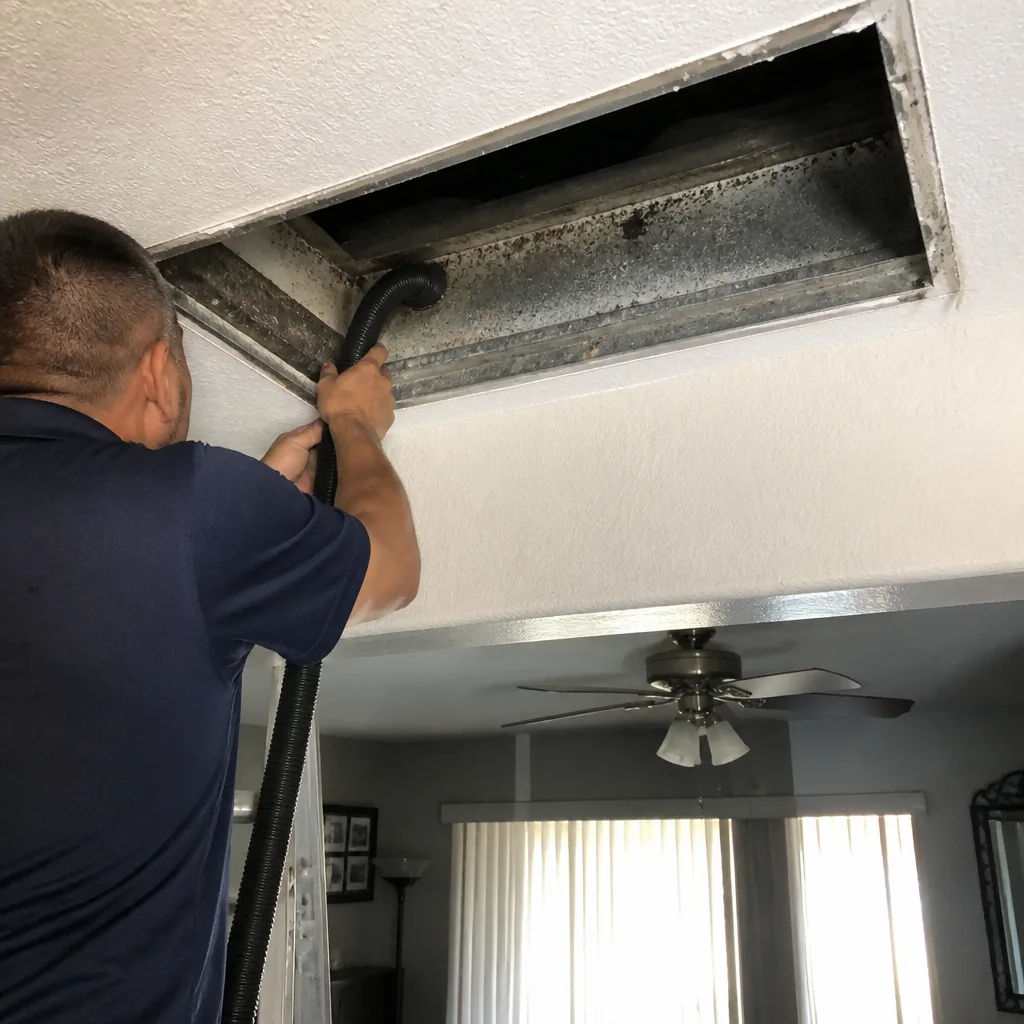 Before
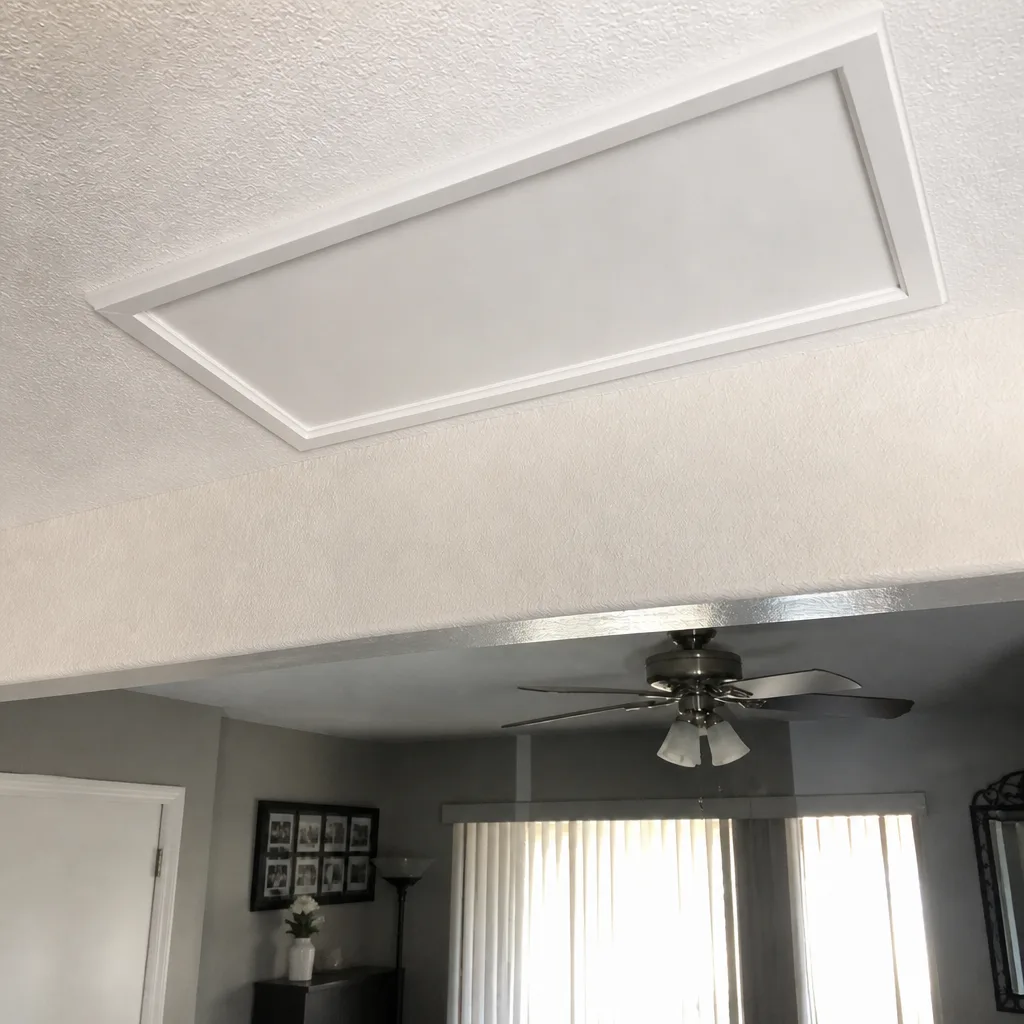 After
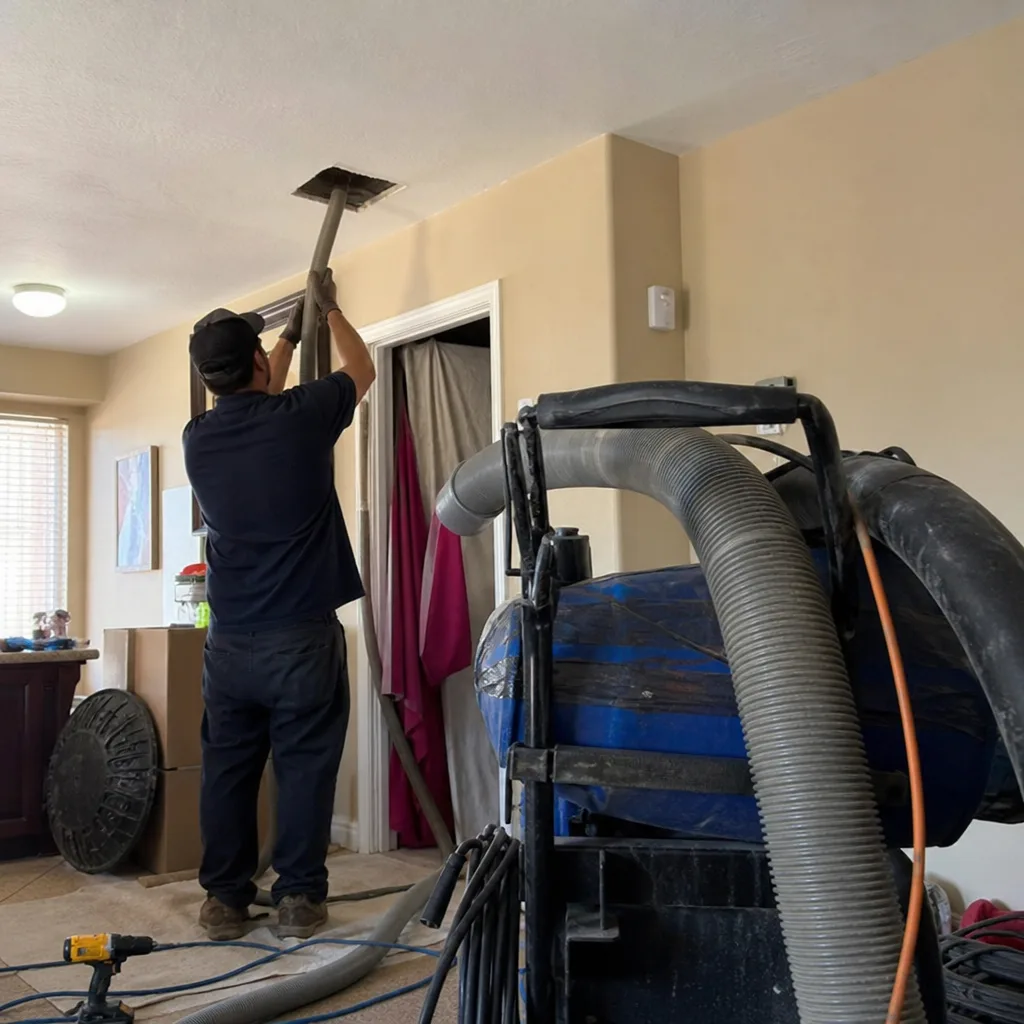 Before
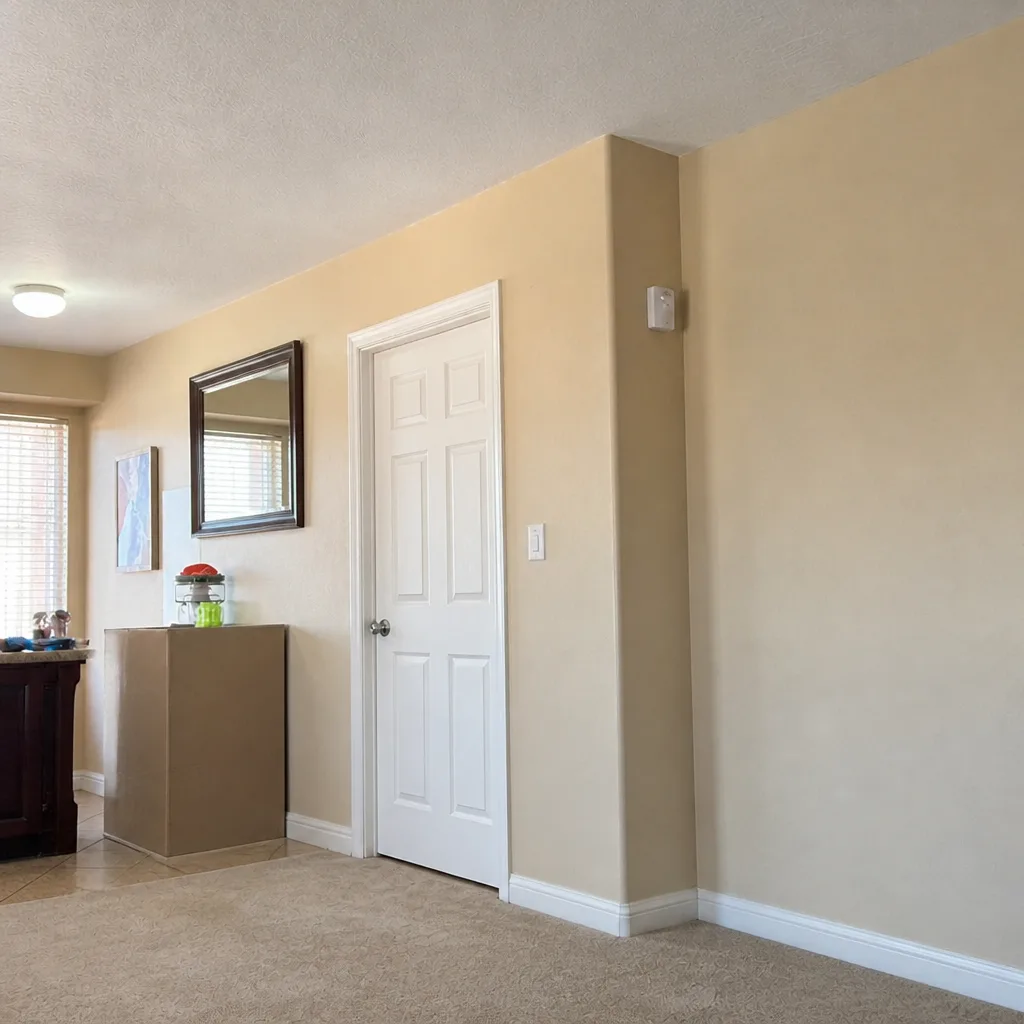 After
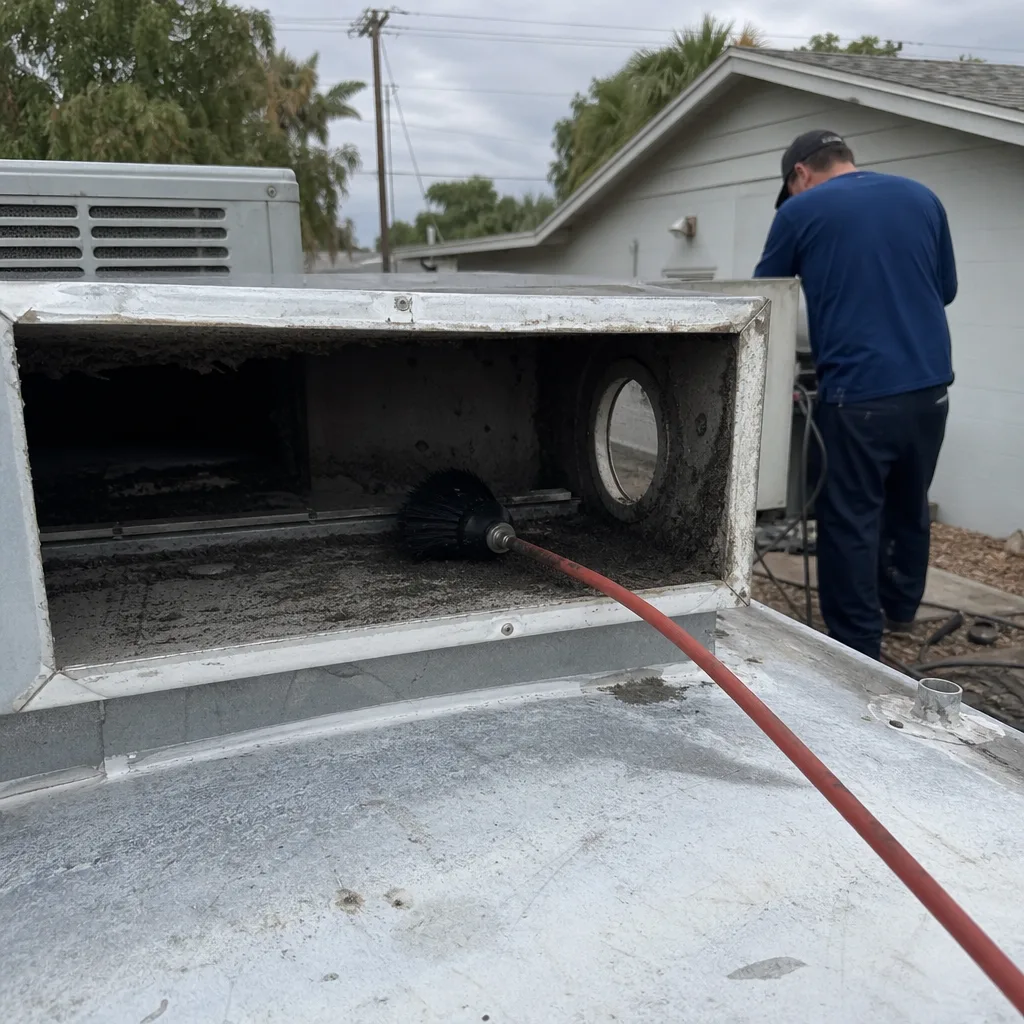 Before
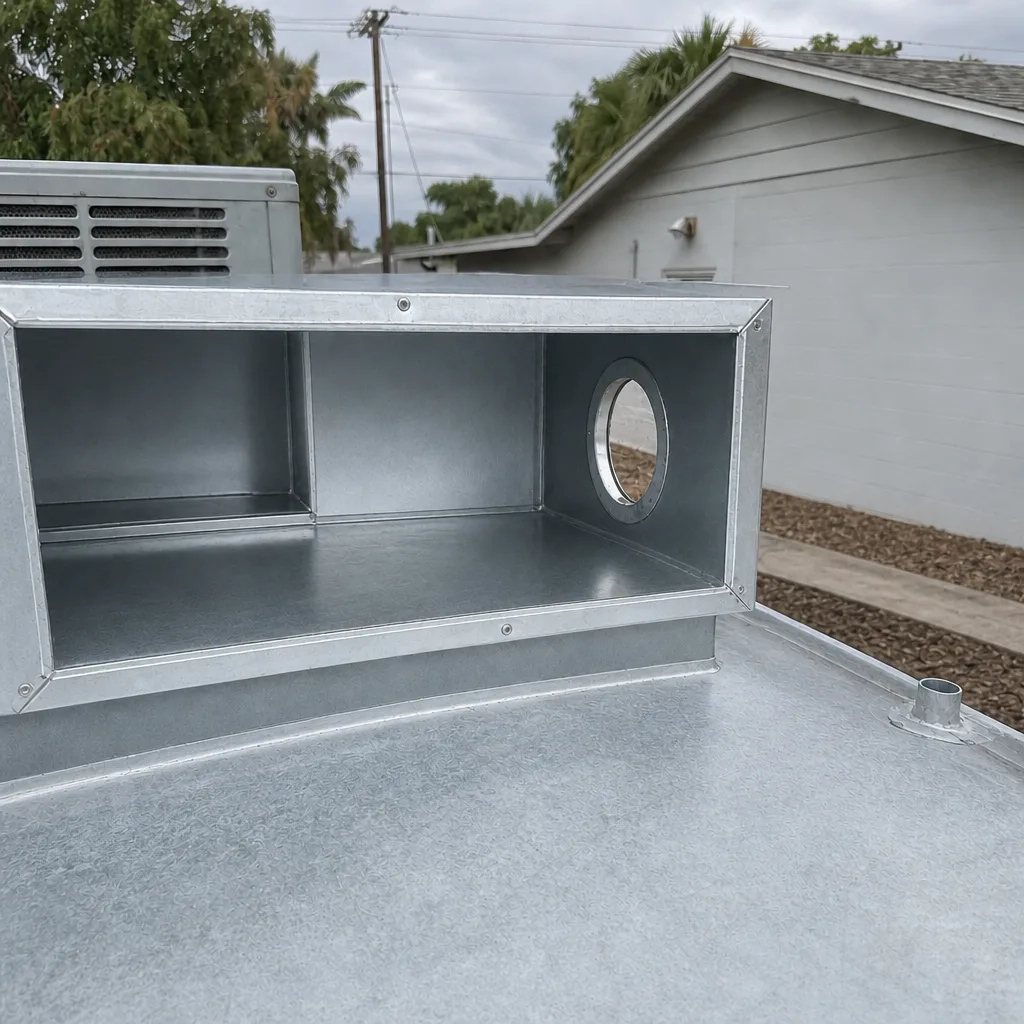 After
When to Call a Professional
Some situations in Tempe justify skipping the schedule and calling right away: a musty or sour smell that persists after the filter is changed, visible dust plumes blowing from supply registers when the system kicks on, a dryer that suddenly takes two cycles to dry a normal load, a recent haboob that sent visible dust through the house, or a renovation that filled the return side with drywall dust. Weak or uneven airflow at distant rooms, especially combined with a rattling or hissing at a return, points to a duct leak or restriction that a cleaning alone won’t fix. If you’ve inspected the registers and found a heavy, fuzzy layer, that’s confirmation the interval is up. Duct Cleaning Tempe offers free estimates, and we’ll use professional-grade equipment to assess what’s there before recommending anything. Call (866) 261-1801.
Frequently Asked Questions
There’s no single number, but a Tempe home running heavy AC and using a basic filter usually needs cleaning every two to three years, and a tightly filtered, low-occupancy home can stretch toward four to five. What matters more than the calendar is HVAC runtime, filter grade, occupancy, and whether a haboob or renovation reset the clock. Call (866) 261-1801 for an assessment based on your home’s conditions.
Yes. Every hour the system runs pushes air through the ducts, and a Tempe home cycles far more air volume annually than a home in a cooler climate. That volume is the real driver of contamination, so a longer cooling season means more frequent cleaning than the generic three-to-five-year advice suggests. Call (866) 261-1801 to talk through your runtime and filter setup.
It can, within reason and only if your system moves air through it without strain. A MERV 11 to MERV 13 media filter, changed on schedule, adds genuine protection and lets you extend the interval about a year. An undersized or blocked filter of any grade does the opposite. Call (866) 261-1801 if you’re unsure which filter your system can handle.
Use a phone camera at the supply registers with the flash on, plus a white paper towel on the register face. A faint haze is normal; a dark, greasy, or fuzzy layer means it’s time. Compare photos over time to see whether accumulation is gradual or a sudden jump from a storm or renovation. Call (866) 261-1801 for a professional read on what your photos show.
Yes, when it makes sense to do both. The dryer vent is a fire risk independent of the HVAC ducts, and clearing it at the same visit saves you coordinating separate appointments and access. A dryer that takes two cycles to dry a load is a strong signal the vent needs attention. Call (866) 261-1801 to schedule.
The core additions are a dryer vent check, a return air seal inspection, and an evaporator coil condition check. Those three catch the connected problems a cleaning alone would leave in place. Filters should be replaced at the same time, and any compromised ductwork should be repaired rather than cleaned around. Call (866) 261-1801 for the full scope.
The Bottom Line
Air duct cleaning is not a calendar event; it’s a runtime and condition event. Tempe homes run cool for most of the year, so the standard three-to-five-year advice often runs short. Build your interval from your actual HVAC hours, your filter grade, your occupancy, and the events that reset the clock, such as haboob dust, monsoon humidity, and renovation. Then verify it between cleanings with a phone camera at the registers. Pair every cleaning with a dryer vent check, return seal inspection, and coil assessment so you’re fixing the whole airflow pathway, not just the ducts. Professional-grade equipment and a repair-capable team make the difference between a cleaning that holds and one you’ll repeat too soon.
Our technicians have up to 10 years of experience using Rotobrush rotary-brush systems, Nikro negative-air machines, and Abatement Technologies filtration equipment to dislodge and capture debris at the source rather than blowing it around. Guardsman surface-protection products safeguard your interior while we work. Call (866) 261-1801 for a free estimate. We answer 24/7. Fast dispatch from 7am to 7pm, Sunday through Friday.
Written by the team at Duct Cleaning Tempe.