
Last updated November 15, 2026
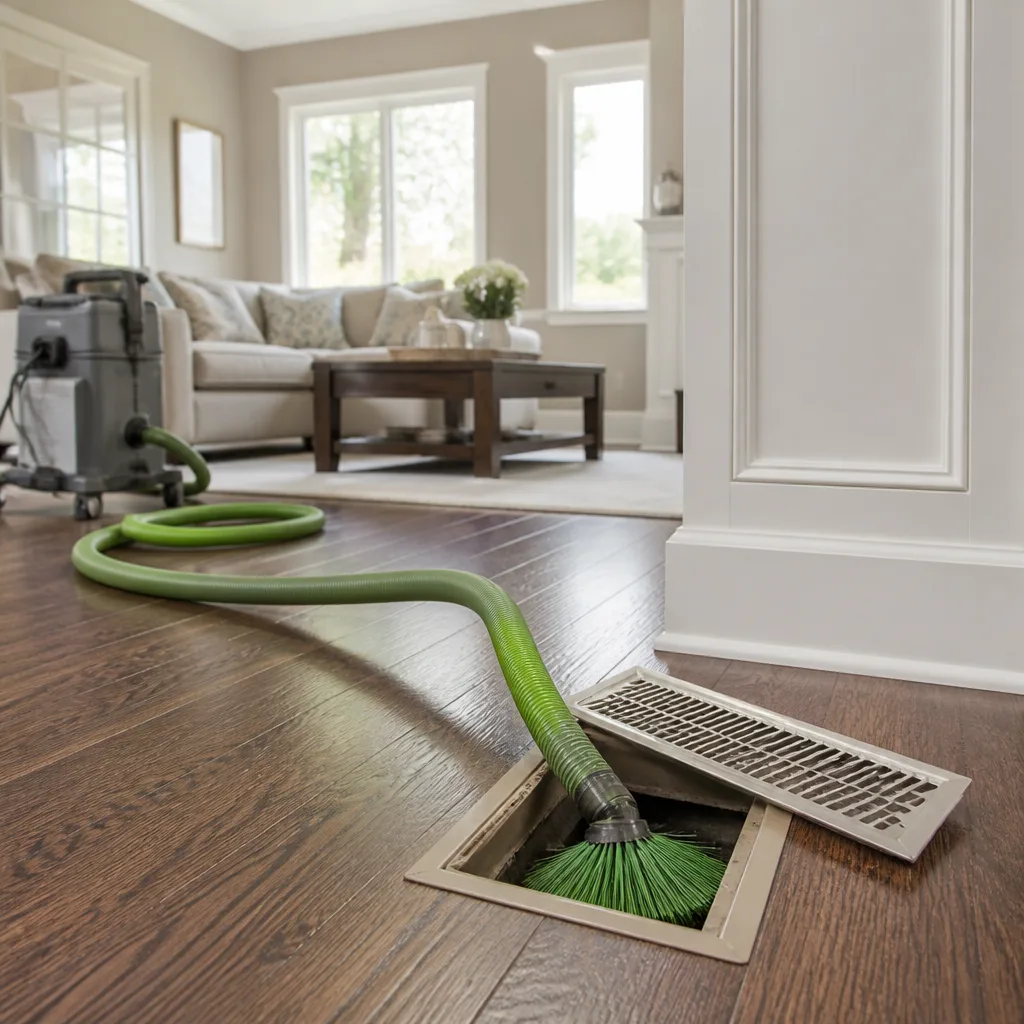 Whole-home duct cleaning
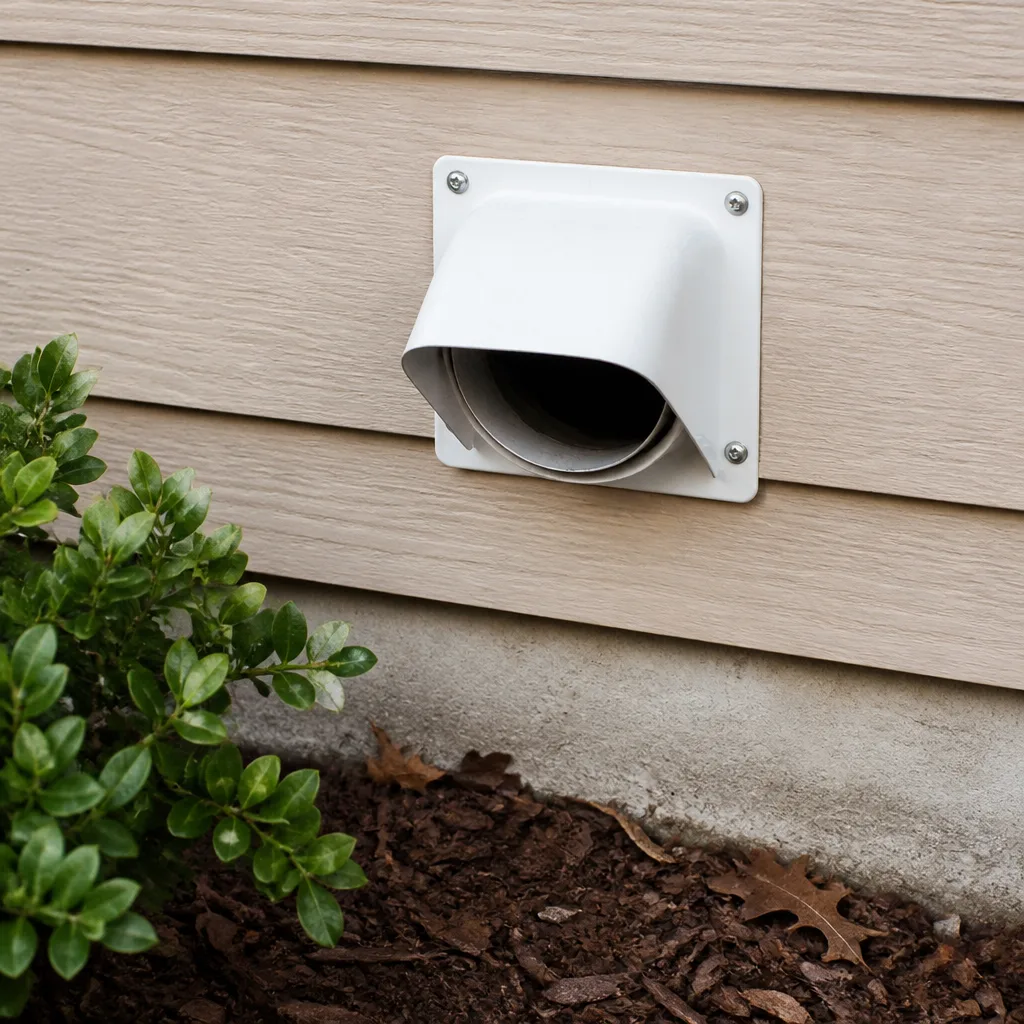 Dryer vent cleaning
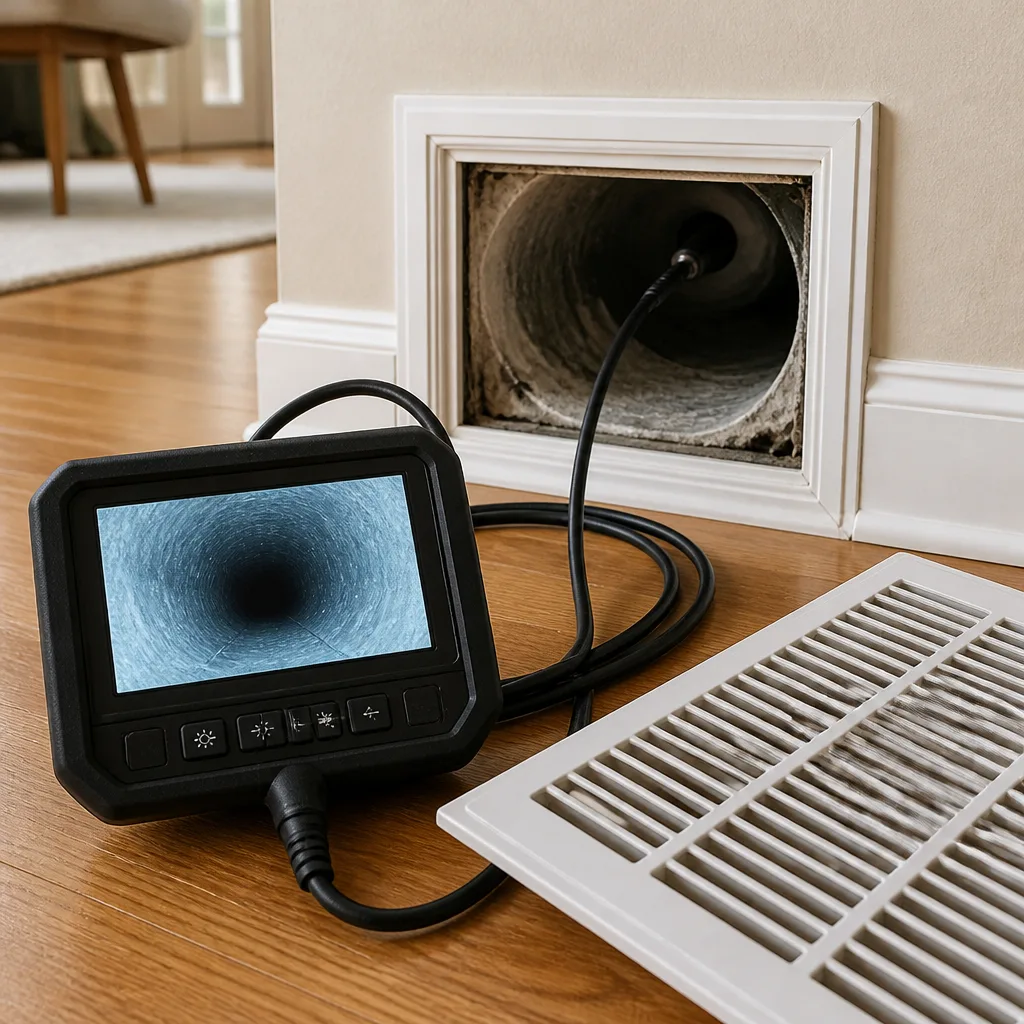 Camera inspection
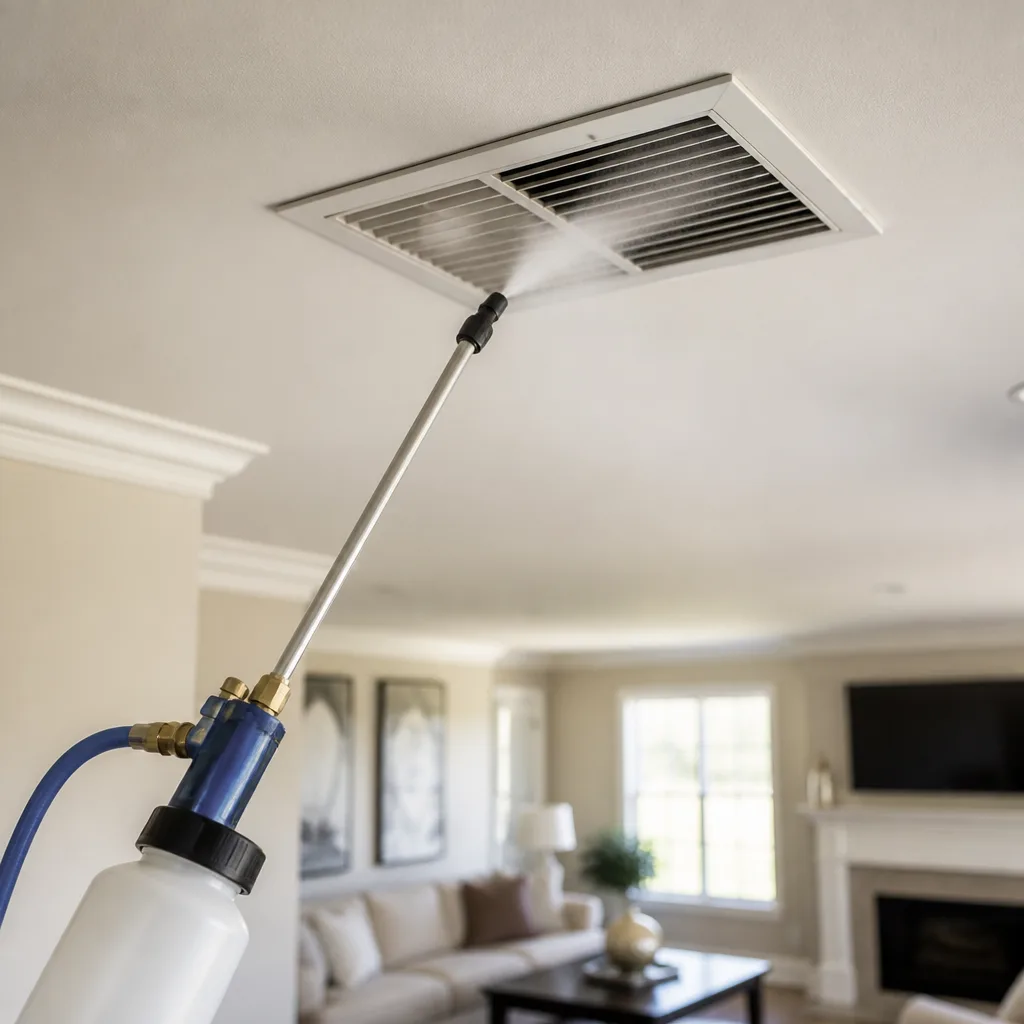 Sanitizing & deodorizing
Whole-system duct and dryer vent check with before-and-after photos - you see exactly what came out of your vents
That "$99 whole-house special" is a bait ad - the real number appears once they are in your hallway, or the "clean" is a shop-vac at the register. We photograph the inside of your ducts before and after instead.
Choosing the Right Air Duct Cleaning Brand: A Buyer’s Guide for Tempe
When a contractor says they use “professional equipment,” that phrase covers everything from a $300 drill-mounted brush kit to a $15,000 Nikro negative air machine, and those two tools don’t produce remotely comparable results. That gap is where most of the confusion in this industry lives. You can’t see inside your ducts, so you end up judging the work by the price on the invoice and how confident the person on your doorstep sounds. Neither tells you whether contamination actually left the system.
This guide is written from the equipment side, because that’s the side you can verify. We’ll walk through what specific equipment brands actually do, what each one handles well, and the questions that separate a properly equipped contractor from a low-bid operation. You’ll finish with enough technical clarity to evaluate any quote you get in Tempe.
Quick Answer
The right duct cleaning brand in Tempe is the one that shows you three things: a mechanical agitation system like Rotobrush that physically contacts and scours duct walls, a negative-air machine like Nikro that captures dislodged debris at the source, and filtration that holds displaced particulate in place during the job. Equipment brand matters because each system solves a different part of the contamination problem. A contractor who uses only one of the three is either redistributing debris or leaving it behind.
Styles & brands we work with
- Whole-home duct cleaning
- Dryer vent cleaning
- Camera inspection
- Sanitizing & deodorizing
Table of Contents
- Why Equipment Brand Is the Real Quality Signal
- What Rotobrush Systems Actually Do Mechanically
- How Nikro Negative Pressure Makes Cleaning Work
- What Abatement Technologies Filtration Does During a Job
- How to Ask a Contractor to Demonstrate Their Equipment
- Why Repair Capability Changes the Whole Equation
- Dryer Vent Cleaning as a Standalone Fire-Risk Service
- Post-Cleaning Filtration: Honeywell and Aprilaire
Why Equipment Brand Is the Real Quality Signal
Every duct cleaning quote you’ll receive in Tempe sounds similar at the top. “We use professional equipment.” “Our technicians are trained.” “We’ll clean the whole system.” The difference emerges when you ask what the equipment is. There are three broad equipment classes that any honest contractor should be able to name immediately:
- Contact-agitation tools: Rotobrush rotary brush systems, pneumatic whips, cable-driven brush chains.
- Negative-air machines and HEPA vacuums: Nikro systems, truck-mounted vacuums, portable HEPA units in the thousands of CFM range.
- Containment and filtration: Abatement Technologies air filtration units, negative air chambers, HEPA filtration barriers.
A contractor using a shop-style vacuum and a drill-mounted brush kit is using a genuinely different class of tool than one running a Rotobrush with a Nikro negative air machine behind it. The first removes surface dust from easy-to-reach sections and redistributes the rest into your living room air. The second physically dislodges contaminants from every inch of duct wall and captures them at the point of separation.
If this is the first time you’re evaluating duct cleaning equipment, look at how duct cleaning in Tempe is defined in equipment terms before the sales call. The technical questions you ask will map directly to what the equipment list reveals.
Here’s the practical test: ask any contractor what brand of positive-pressure-reversal tools they use, what brand of negative-air equipment, and what MERV rating their filtration is. If they name equipment brands without pausing, they know the difference. If they say “we use the best” without naming brands, the equipment class is likely consumer-grade.
What Rotobrush Systems Actually Do Mechanically
Rotobrush rotary brush systems are the professional standard for mechanical duct agitation. Understanding how they work is the fastest way to understand why they outperform pneumatic whip-style tools in most residential systems.
A pneumatic whip uses compressed air to fling a flexible tube around inside a duct, blowing loose dust loose. It works well on smooth sheet metal with light contamination. It works less well when the buildup is adhesive (oil-bound, mold-adjacent, or long-set dust particles that have settled into the pores of flex duct lining). Pneumatic whips are also habitually drawn toward the easier path, so they clean what they pass but they don’t clean to the wall.
Rotobrush is different. The system drives a spinning brush head through the duct under controlled feed. The brush head has a physical, mechanical contact relationship with the inside duct wall. As the brush rotates, it scrubs contamination off the surface rather than just loosening it, and the head is sized to duct dimensions so contact is consistent from the trunk to the branch.
Here’s where Rotobrush systems usually outperform pneumatic whips:
- Flex duct: The brush contacts the ribbed interior without abrading the lining, which pneumatic whips often can’t achieve because air alone doesn’t scrub the ribs.
- Long branch runs: Brush heads are sized for the run and fed at a controlled rate, so the whole length gets agitated rather than just the first few feet.
- Coated and lined duct: Physical agitation with the right head and pressure is gentler on the liner than high-pressure air blasts.
- Heavy settled dust in older systems: Vertical and horizontal runs load up more than people think, and mechanical agitation is the only way off the walls.
Tempe’s mostly single-story housing stock, with long horizontal runs in the attic and varied flex and sheet-metal duct throughout the 1980s-through-2000s build years, is a good match for a rotary brush system. Long runs mean a pneumatic tool has more distance to lose energy over, and mechanical agitation holds contact from trunk to branch.
For a full picture of what a properly agitated and captured clean looks like, see our page on air duct cleaning.
How Nikro Negative Pressure Makes Cleaning Work
Agitation without containment is redistribution. That’s the single most useful principle to carry into a sales call. If a contractor scrubs dust off your duct walls but doesn’t create a negative-pressure environment at the same time, the dust is going into your living room air. The cleaning became a source of indoor air quality problems instead of a fix.
Nikro negative-pressure systems solve this by holding the duct interior at lower pressure than the surrounding rooms. Air moves toward the machine, not out of every open register. Debris dislodged by the brush gets drawn into the capture stream at the source before it has a chance to drift.
What CFM actually means in a Tempe house: CFM is cubic feet per minute, and it’s the measure of how much air a negative-air machine can pull. For a residential system in a typical Tempe single-story home with long runs and multiple branches, the practical requirement is a machine that maintains negative pressure throughout the entire duct network, not just near the machine. Underpowered units create a partial vacuum near the working end but let pressure rise in the farther branches. In our experience, undersized units are the most common equipment failure behind a disappointing cleaning.
Size also matters more in Tempe than a lot of homeowners realize. Larger footprints, hot-side attic runs, and multi-zone systems all increase the air volume the machine has to hold in negative pressure. An 800-square-foot apartment needs less capture capacity than a 2,800-square-foot house with three air handlers.
Two questions worth asking directly:
- What is the CFM rating of the negative-air machine you’ll use on my system?
- Will the machine run continuously throughout the job, including during agitation and during final verification?
If the answer to the second is “we run it for part of the job,” ask what it’s doing during the other part. The right answer is: nothing should happen in the ducts without the machine running.
What Abatement Technologies Filtration Does During a Job
Abatement Technologies air filtration units are the third piece of a properly equipped job, and they’re the piece most residential contractors don’t have. That’s not an accident. Abatement equipment is expensive, and it’s the standard used on mold and remediation projects where the contractor has to guarantee containment. It’s not an optional upgrade on a residential cleaning; it’s what separates a professional cleaning from a strong effort.
Here’s what this equipment does in practice:
- HEPA capture of displaced particulate: Air that leaves the duct system during cleaning passes through HEPA filtration before returning to the room.
- Containment during agitation: The negative air chamber around the register opening stays sealed, so any debris the brush throws off the wall is captured by the filtration barrier.
- Post-cleaning filtration: The unit can be kept running in the cleaned system for a short period to capture any remaining airborne particulate before the system is returned to service.
Homeowners rarely see this equipment because it lives in the bag of tools a professional brings on-site. The practical way to know it’s there is to ask. “What filtration equipment do you use?” isn’t a trick question. Contractors who deploy HEPA-class filtration on every job will answer immediately. Contractors who don’t will answer in generalities.
For Tempe homes with allergy-sensitive occupants, kids with asthma, or anyone who reached out because of a musty smell they can’t trace, the presence of Abatement-class filtration is a strong signal that the contractor understands the difference between cleaning and cleaning safely. For a baseline understanding of what professional cleaning scope includes in this market, review the Duct Cleaning Tempe overview before you schedule.
One more consideration: Guardsman surface-protection products matter here. A cleaning job brings equipment into the home and near registers, vents, and floors. Surface protection isn’t glamorous, but it demonstrates a level of job-site discipline that carries through to the more technical parts of the work.
How to Ask a Contractor to Demonstrate Their Equipment
The gap between a properly equipped contractor and a low-bid contractor is visible if you know what to ask. This numbered sequence walks you through the questions in priority order, and each one is designed to reveal what the contractor actually uses rather than what they say.
- Ask what agitation system they’ll use on your specific duct type. Name your duct: flex, sheet metal, or a mix. Ask which brush head is compatible with flex duct. A contractor who can answer precisely is running a Rotobrush or equivalent contact-agitation system.
- Ask for the CFM rating of their negative-air machine. “How many CFM will be running on my system?” is the direct question. If they can’t quote a number, the machine is not professional-grade.
- Ask whether they do camera inspection before and after the cleaning. A camera inspection shows the condition of ducts before the job starts and confirms the ducts are clean at the end. Contractors without camera capability can’t verify their own work.
- Ask what MERV rating their filtration reaches. MERV 13-16 is the HEPA-adjacent range for cleaning containment. A filtration unit that doesn’t hold displaced particulate isn’t’ doing a job.
- Ask what post-cleaning verification they provide. A contractor who can’t verify the cleaning isn’t confirming results; they’re offering a verbal assurance.
- Ask whether they’ll show you a before-and-after photo of your ducts. This closes the loop. Equipment visibility plus photographic evidence is the combination you want.
None of these questions is hostile. A contractor with the right equipment answers them readily, because the equipment speaks for itself. A contractor without it deflects toward price, discounts, or “we’ll take care of you.” That’s your signal.
If you’re a property manager or landlord in Tempe, these questions also matter because cleaning equipment you can point to in a maintenance record is documentation. An invoice that names Rotobrush and Nikro is a record; a paper receipt with “duct cleaning” is not.
Why Repair Capability Changes the Whole Equation
Most duct cleaning contractors clean and leave. If the cleaning uncovers a disconnected run, a torn flex duct, or a crushed section behind a wall, the standard move is to write up a recommendation and hand the homeowner a separate call to make. The job ends at diagnosis. The homeowner has to coordinate a second visit with a different trade, and in the interim, the system runs with a compromised duct delivering the same shortfall the cleaning was supposed to fix.
Air duct repair as a named service means the job doesn’t end at a recommendation. Properly equipped contractors diagnose and repair compromised ductwork on the same visit as the cleaning, using the same access points and the same equipment. If the brush system exposes a tear in a flex run, the fix happens while the access is open. If camera inspection reveals a crushed section under a soffit, the plan for repairing it happens before the crew leaves.
This matters more than it might seem in Tempe’s housing stock because duct failures are common across the years of construction represented throughout the city. Crushed flex behind corners, disconnected branch runs in attic assemblies, and separated trunk joints all exist in the housing fabric. A contractor who can find them can fix them. A contractor who can’t see them doesn’t know they’re there. Duct cleaning without repair capability doesn’t close the loop on system problems.
We repair what we find, because a cleaning that doesn’t address compromised ductwork is a cleaning you’ll need again sooner than you should.
Dryer Vent Cleaning as a Standalone Fire-Risk Service
Your dryer vent is a fire risk, not a maintenance afterthought. That’s not a scare phrase; it’s the reason most fire codes treat dryer vent maintenance as a safety item rather than a convenience. Lint accumulates inside the vent at a rate most homeowners underestimate, and the heat from the dryer is what a lint fire needs to ignite. Long or convoluted vent runs, common in Tempe homes where the dryer sits far from an exterior wall, make the problem worse.
The reason dryer vent cleaning sits under the same equipment umbrella as duct cleaning is that the tools overlap. The same negative-air system that captures dust in your ductwork captures lint in your dryer vent. The same camera inspection that verifies duct cleanliness verifies vent cleanliness. And the same repair capability that fixes a crushed flex run in your ductwork fixes a crushed dryer vent behind a laundry wall.
Three signs your dryer vent needs professional attention:
- The dryer takes longer than it used to on the same load settings.
- The lint screen fills more slowly or the dryer feels hotter to the touch than it used to.
- You can’t remember the last time the vent was cleaned, or you’ve never seen the full vent run inspected.
The third point is the one most homeowners skip. Handyman-level dryer vent cleaning often covers the segment the homeowner can reach. Professional negative-pressure cleaning covers the full run from dryer to exterior termination, and camera inspection confirms the run is clear. For the full service picture in Tempe, see our dryer vent cleaning page.
Because duct cleaning, dryer vent cleaning, and duct repair all happen under one visit scope, you’re not coordinating three contractors and three schedules for three related respiratory and safety issues. That coordination value alone makes the equipment question worth asking.
Post-Cleaning Filtration: Honeywell and Aprilaire
Clean ducts are the starting point; the right filtration keeps them that way. A thorough cleaning resets the system. A proper whole-home air quality setup keeps it from loading up again in the same timeframe. The two names that show up most often in this conversation are Honeywell and Aprilaire, and both are worth understanding if you’re going to keep the system clean.
Honeywell and Aprilaire whole-home filtration systems sit at the air handler and capture particulate as the return air moves back through the system. MERV ratings on the media filter determine what size particles are captured. Lower ratings capture large dust and pollen. Higher ratings capture smaller particulate but add resistance to the airflow, which means they have to be matched to the system’s design capacity. The whole point of post-cleaning filtration is matching the media to the system rather than buying the highest number on the shelf.
A few practical notes for Tempe homeowners:
- Dust in this part of Arizona is fine and airborne, and it loads filters faster than most homeowners expect from other climates.
- Media filter replacements happen on a schedule, not on a “when it looks dirty” basis.
- Higher-MERV filtration and airflow are tradeoffs, so the right filter spec depends on your specific system, not on a manufacturer’s marketing chart.
The conversation to have with a contractor after cleaning is about how the system will be kept clean going forward. That means filtration, filter replacement schedules, and how the whole-home air quality equipment interacts with the duct system they just cleaned. Honeywell and Aprilaire are the two names that give you a starting point for that conversation.
For a full look at how cleaning, repair, and filtration relate in the Tempe market, see the Tempe service area page.
Common Mistakes to Avoid
- Judging quotes only on price. The difference between two duct cleaning quotes is almost always the equipment and the scope. A low quote is often a lower equipment tier, not a better deal. Ask what’s in both quotes before comparing prices.
- Never asking to see the equipment. A contractor with the right equipment will show you without hesitation. A contractor who deflects to price or availability is telling you something. The equipment demonstration should happen before the job starts, not after.
- Accepting “we use professional equipment” without a brand name. In Tempe’s market, that phrase has no fixed meaning. The specific brands (Rotobrush, Nikro, Abatement) are the signal, not the sentiment.
- Booking a cleaning without knowing who does the repair. If the cleaning finds compromised ductwork, you need the same contractor to be able to fix it. Asking about repair capability is a baseline question, not an upsell.
- Treating dryer vent cleaning as optional. The fire risk in dryer vents is real, and cleaning is equipment-dependent. The same contractor running Rotobrush and Nikro on your ducts should be running proper equipment on your dryer vent.
- Skipping the post-cleaning verification. Ask for camera evidence of pre- and post-cleaning conditions. Verbal confirmation isn’t verification. A contractor who can’t provide photographic or video evidence of the ducts they just cleaned wasn’t set up to verify their own work.
- Assuming a filter change is a substitute for cleaning. Changing the return filter doesn’t clean the duct walls. Those are different maintenance items. In arid climates like Tempe’s, dust that bypasses the filter loads onto duct surfaces over time.
See the difference
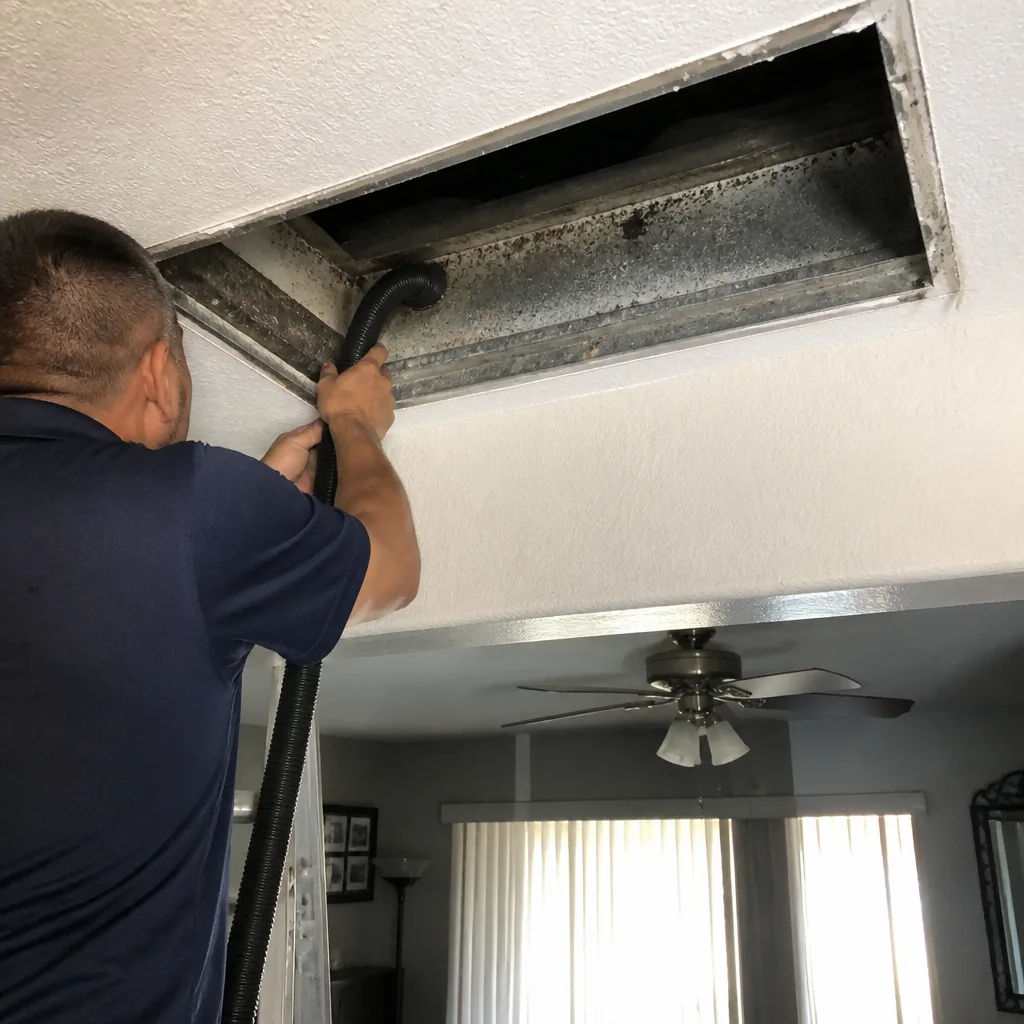 Before
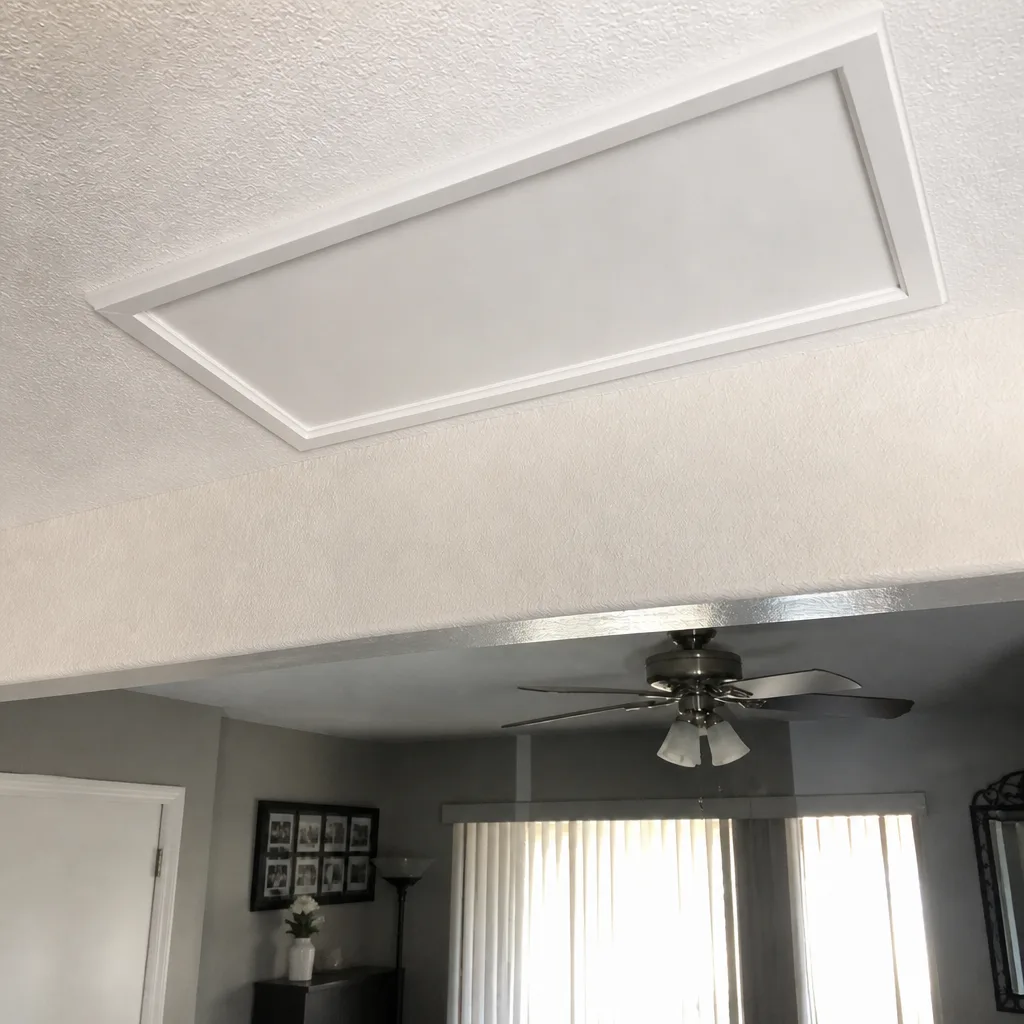 After
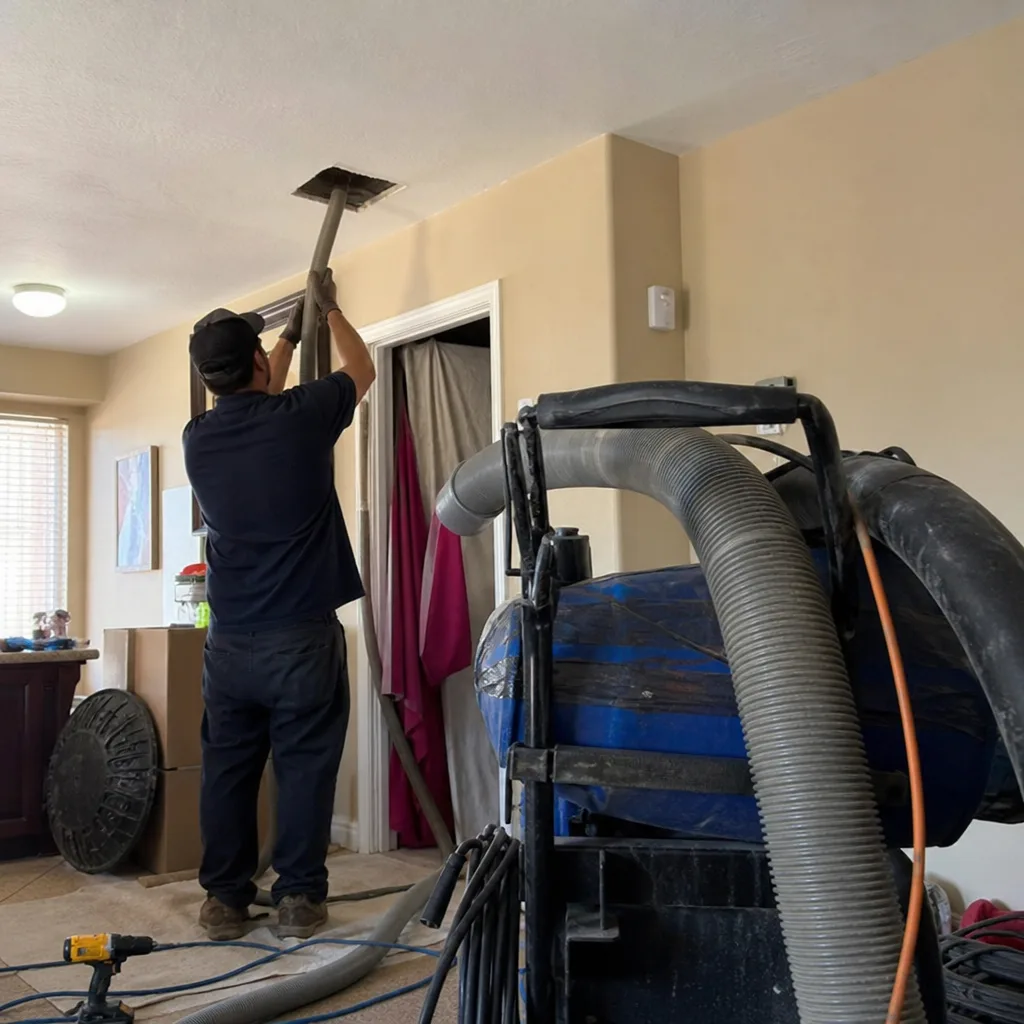 Before
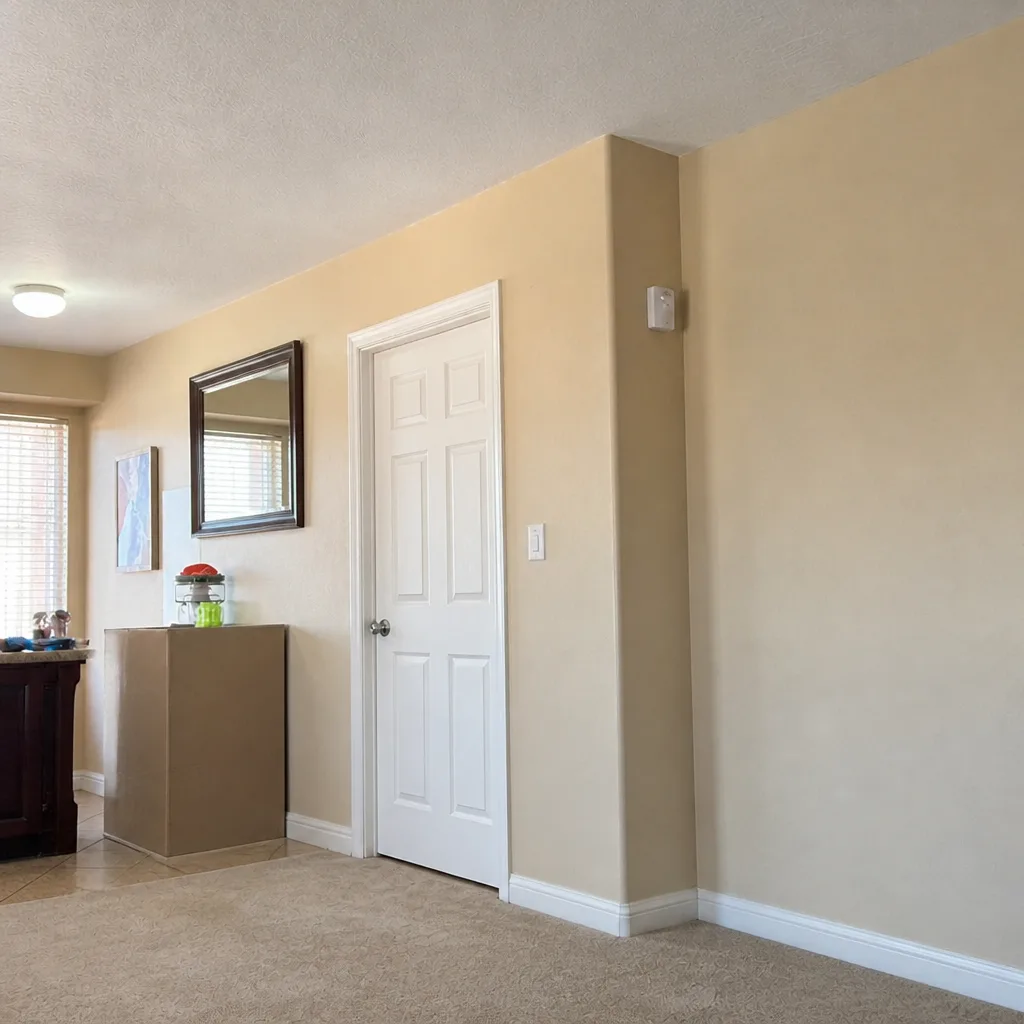 After
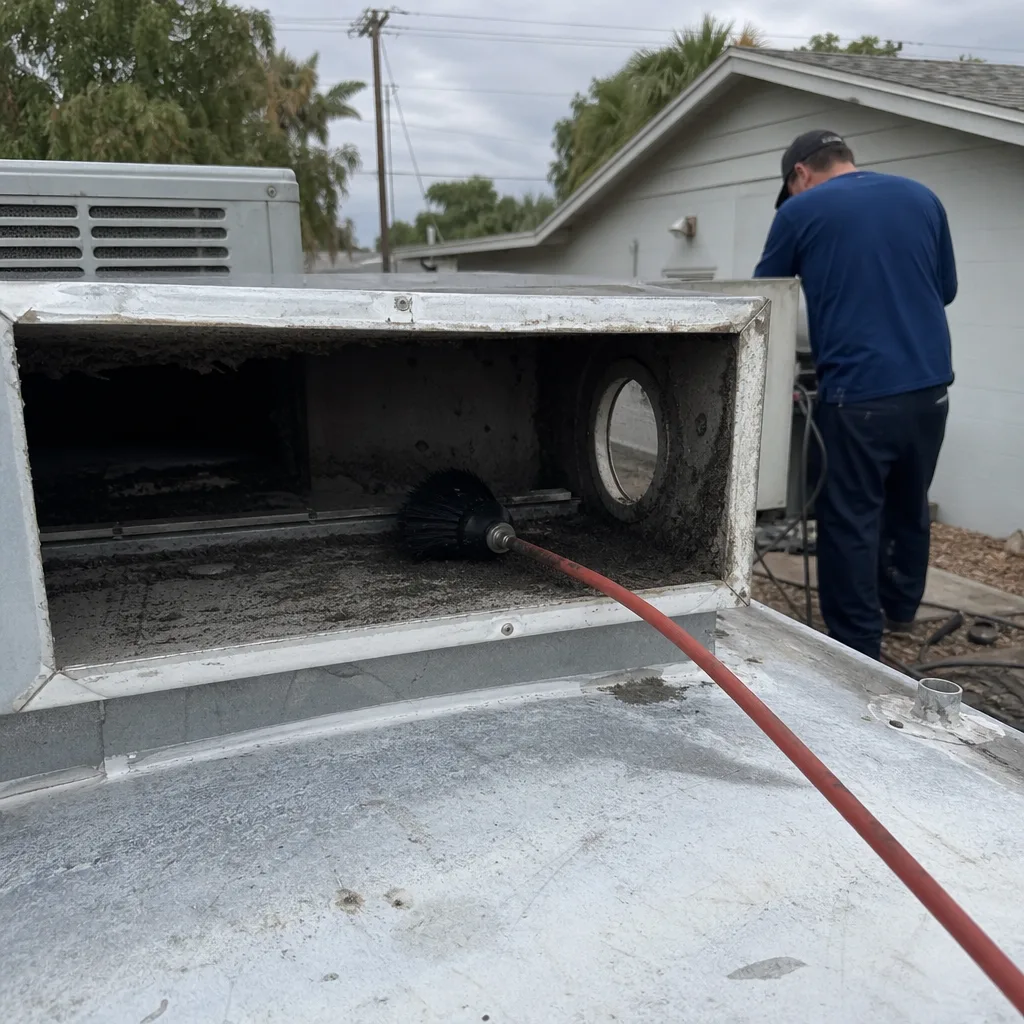 Before
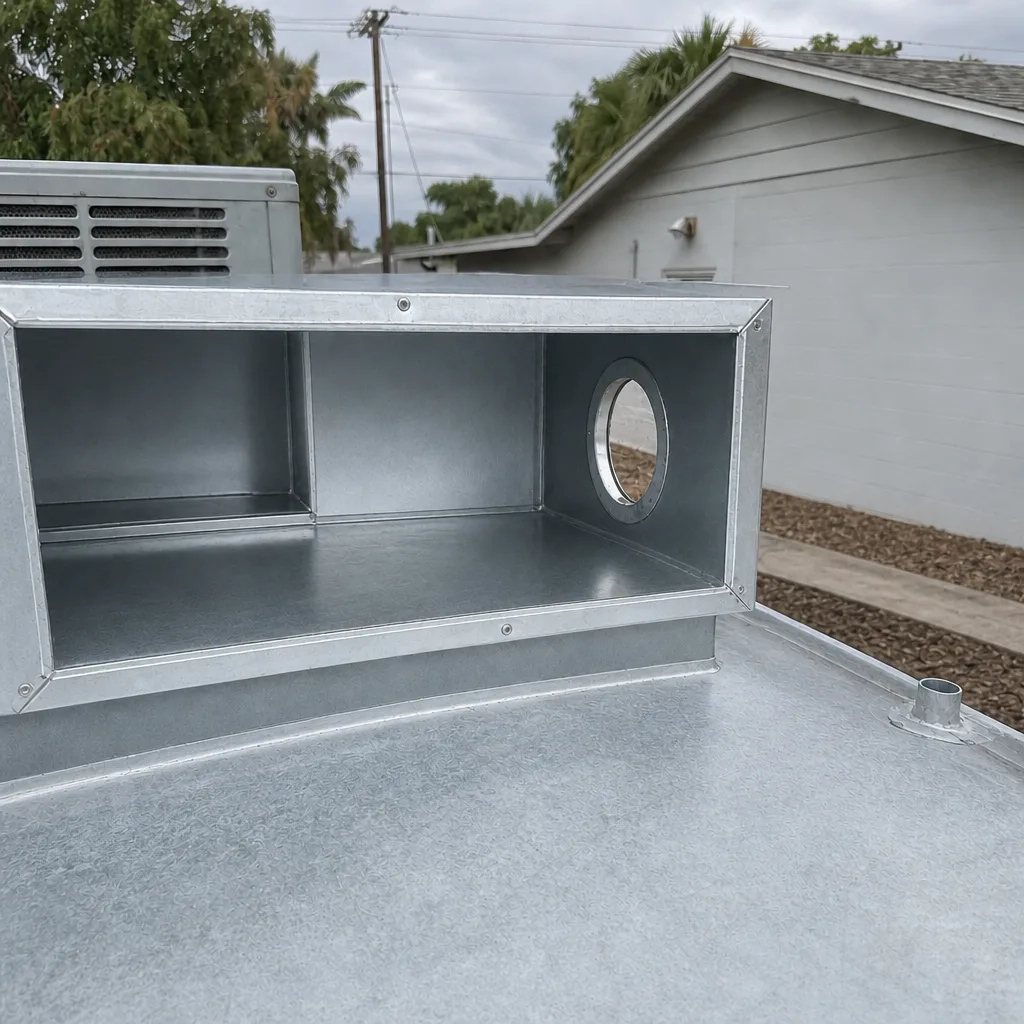 After
When to Call a Professional
Some symptoms in a home should prompt a call sooner rather than later. A persistent musty smell that doesn’t clear after filter changes points to contamination or moisture inside the system. Uneven airflow between rooms, or rooms that never quite reach temperature, suggest duct problems a cleaning won’t fix on its own and a camera inspection should reveal. Unexplained increases in energy bills on the same usage routine usually mean the system is working harder to deliver the same result, and compromised ductwork or heavy buildup are common causes. If a dryer takes noticeably longer than it once did on the same load, that’s a dryer vent call, not a duct cleaning call, but the same contractor should cover it.
Property managers reach out when turnover inspection turns up vent conditions that need documentation. Homeowners who’ve recently moved in often call because they don’t know the maintenance history of the duct system. Our technicians have up to 10 years of experience, and Duct Cleaning Tempe offers free estimates in Tempe, with the price set per job by the written estimate. Call (866) 261-1801. We answer 24/7. Fast dispatch from 7am to 7pm, Sunday through Friday.
Frequently Asked Questions
Look for Rotobrush rotary brush systems for mechanical agitation, Nikro negative-air machines for containment, and Abatement Technologies air filtration units for HEPA capture of displaced particulate. These three brands cover the three parts of the job: scrubbing duct walls, holding the duct interior at negative pressure, and filtering the air that leaves the system during cleaning. A contractor who can name all three is properly equipped. A contractor who names only one or two is missing a piece of the process. Call (866) 261-1801 for an exact quote; estimates are free.
Prices are given per job by written estimate after the contractor inspects the system, because duct configurations, run lengths, and number of air handlers all affect the scope. Any honest quote should be a whole-system range, not a per-vent price or a teaser coupon figure. If a quote feels dramatically cheaper than the others, the difference is usually the equipment tier and the scope, not a discount. Get the estimate in writing before the work starts, and confirm what equipment will be used on your system. Call (866) 261-1801 for an exact quote; estimates are free.
Cheaper quotes are usually cheaper equipment. A shop-style vacuum and a drill-mounted brush kit cost a fraction of a Rotobrush system running behind a Nikro negative-air machine, and the results aren’t comparable. The lowest quote in Tempe is often a contractor without camera inspection, without a negative-air machine, and without a post-cleaning verification method. That’s not a discount; it’s a different job. Ask what equipment will be used and compare quotes on that basis. Call (866) 261-1801 for an exact quote; estimates are free.
Ask for camera inspection before and after the cleaning, and ask for before-and-after photos of your own ducts. A properly equipped contractor has camera capability and provides photographic evidence as part of the job. That’s the verification method, not the verbal assurance. The other confirmation is the invoice naming the specific equipment (Rotobrush, Nikro, Abatement Technologies) that was used on the visit. Both together close the loop. Call (866) 261-1801 for an exact quote; estimates are free.
There’s no fixed schedule; it depends on the home, the filtration in place, occupancy, and how much dust the system is pulling in. In Tempe’s climate, fine airborne dust loads filters faster, so homes here tend to benefit from regular filter replacement as the primary defense. Cleaning is prompted by symptoms (musty smells, uneven airflow, visible buildup at registers, or a recent move-in with unknown history) rather than by a calendar. A properly cleaned system with good filtration doesn’t need to be reset on a fixed schedule. Call (866) 261-1801 for an exact quote; estimates are free.
With a repair-capable contractor, yes. Air duct repair as a named service means compromised ductwork found during the cleaning gets addressed on the same visit rather than deferred to a separate call. That’s the practical difference between a contractor who cleans and a contractor who diagnoses and repairs. Ask before you book whether repair capability is in scope. Call (866) 261-1801 for an exact quote; estimates are free.
The Bottom Line
Equipment brand is the most useful thing a Tempe homeowner can evaluate before booking a duct cleaning. Rotobrush solves the agitation problem. Nikro solves the containment problem. Abatement Technologies solves the filtration problem. Together they form a complete job. A contractor with one or two of the three produces a partial result that looks like a full one from the outside. Ask for the brand names, ask for CFM and MERV numbers, ask about camera verification, and ask whether repair is in scope on the same visit. The answers tell you almost everything before the first tool comes out of the bag.
If you’re ready to schedule an inspection and get a free estimate, call (866) 261-1801. We answer 24/7. Fast dispatch from 7am to 7pm, Sunday through Friday. Tell us your symptoms and your duct type, and we’ll book an appointment and confirm what equipment will be on the visit.
Written by the team at Duct Cleaning Tempe.