
Last updated November 15, 2026
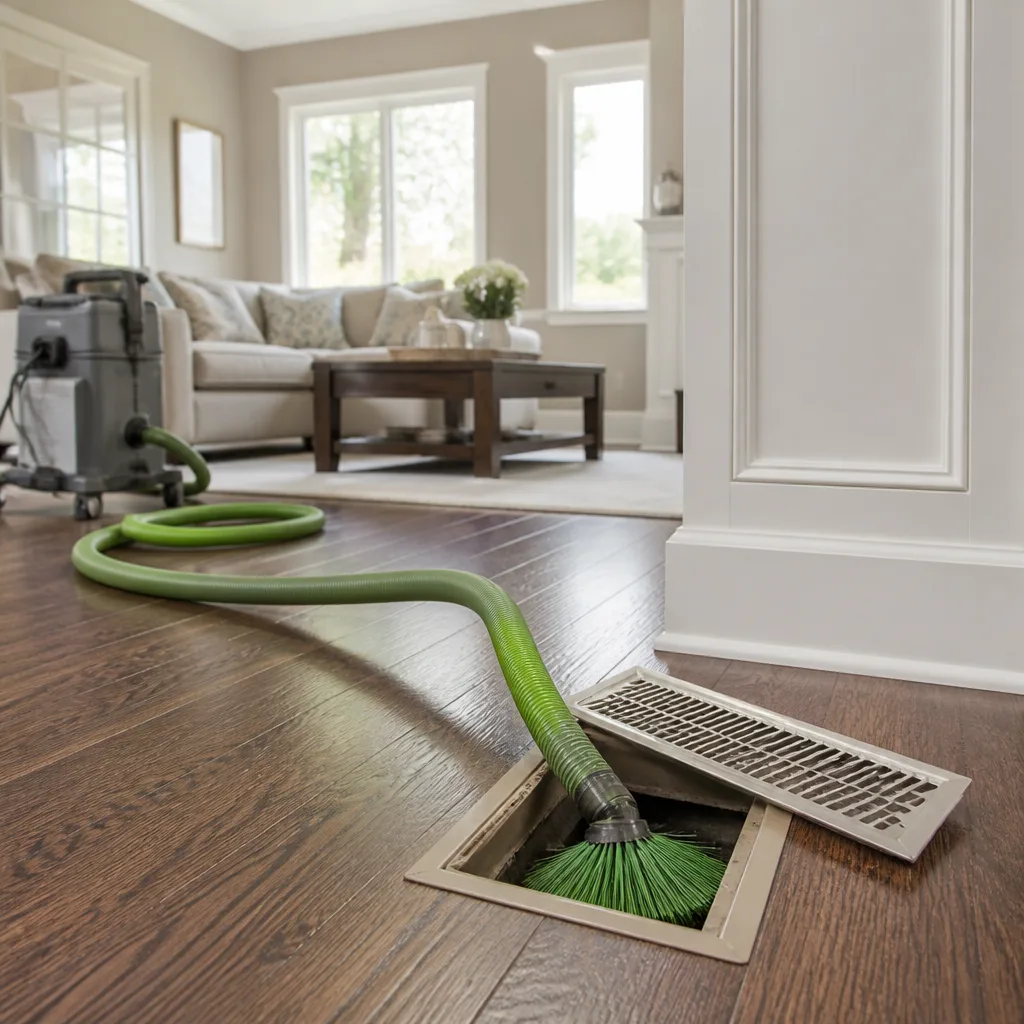 Whole-home duct cleaning
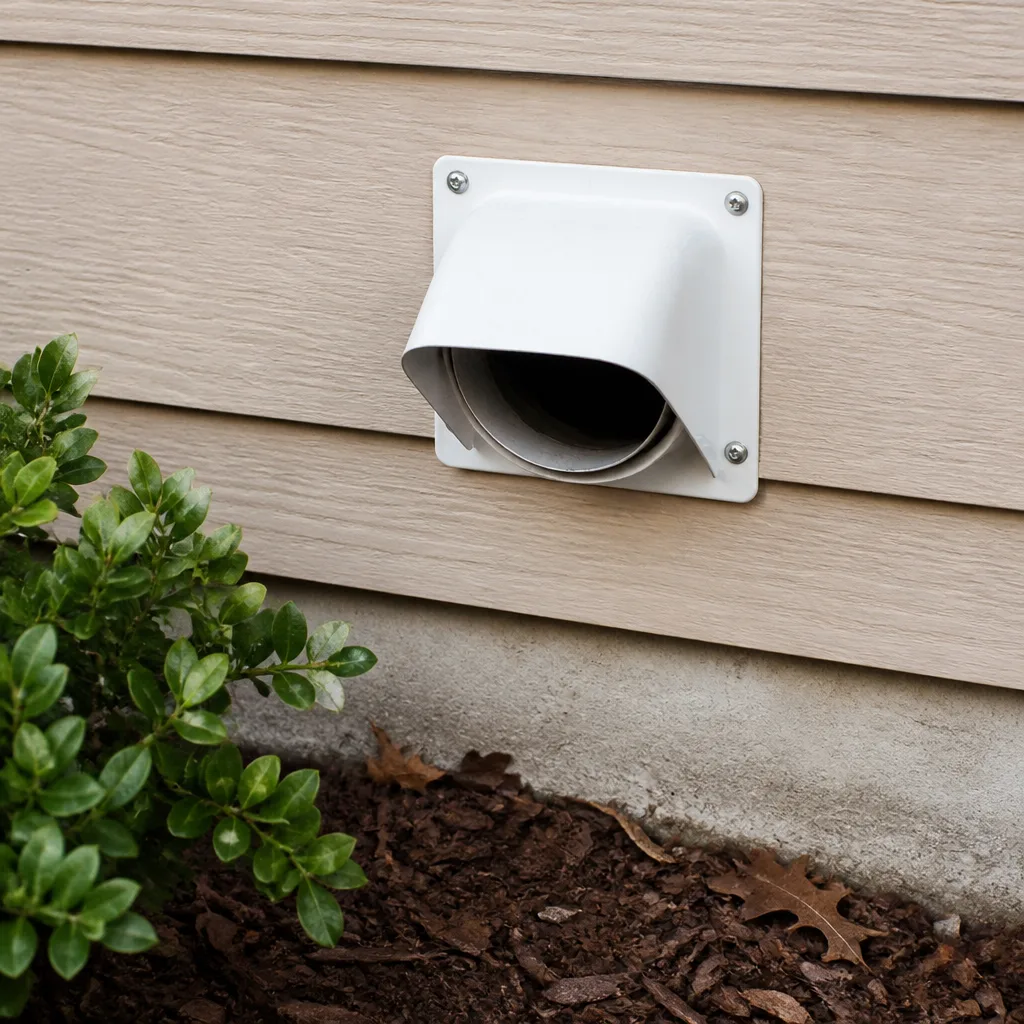 Dryer vent cleaning
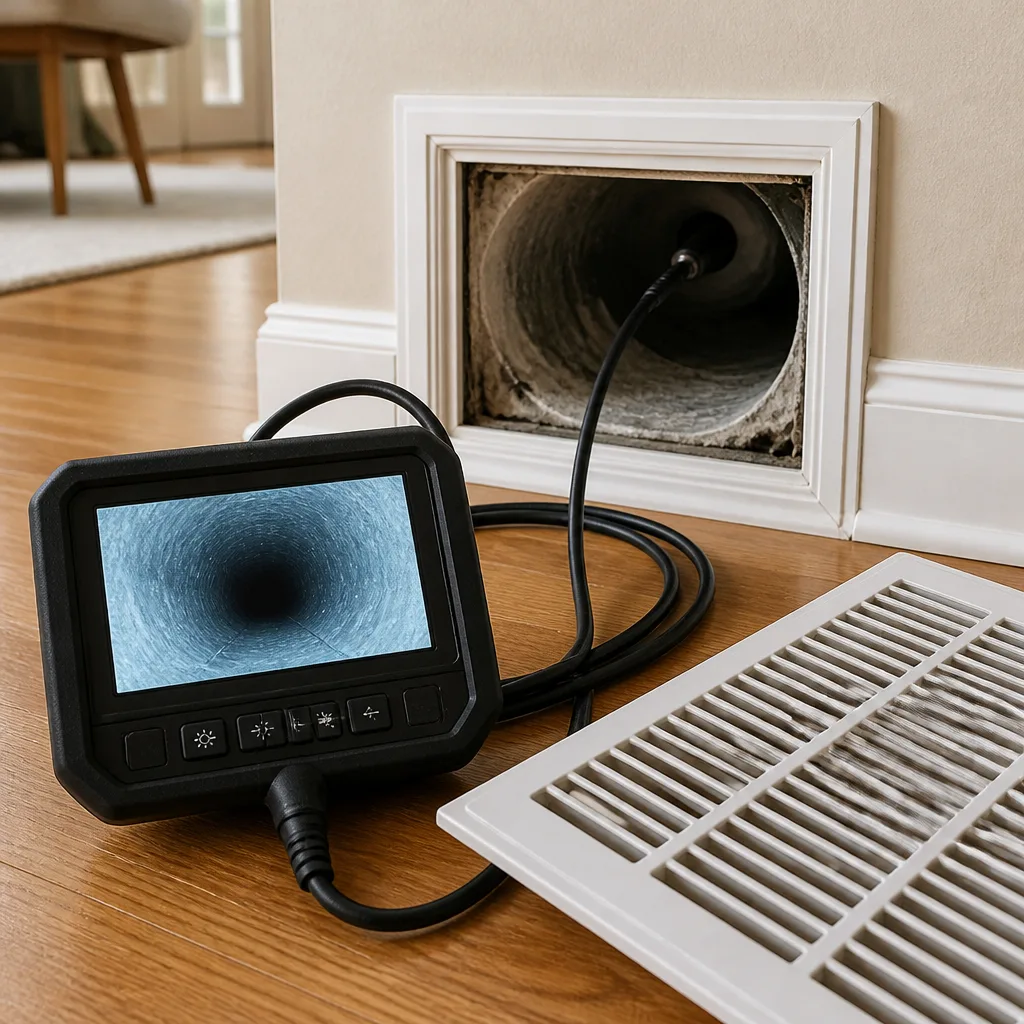 Camera inspection
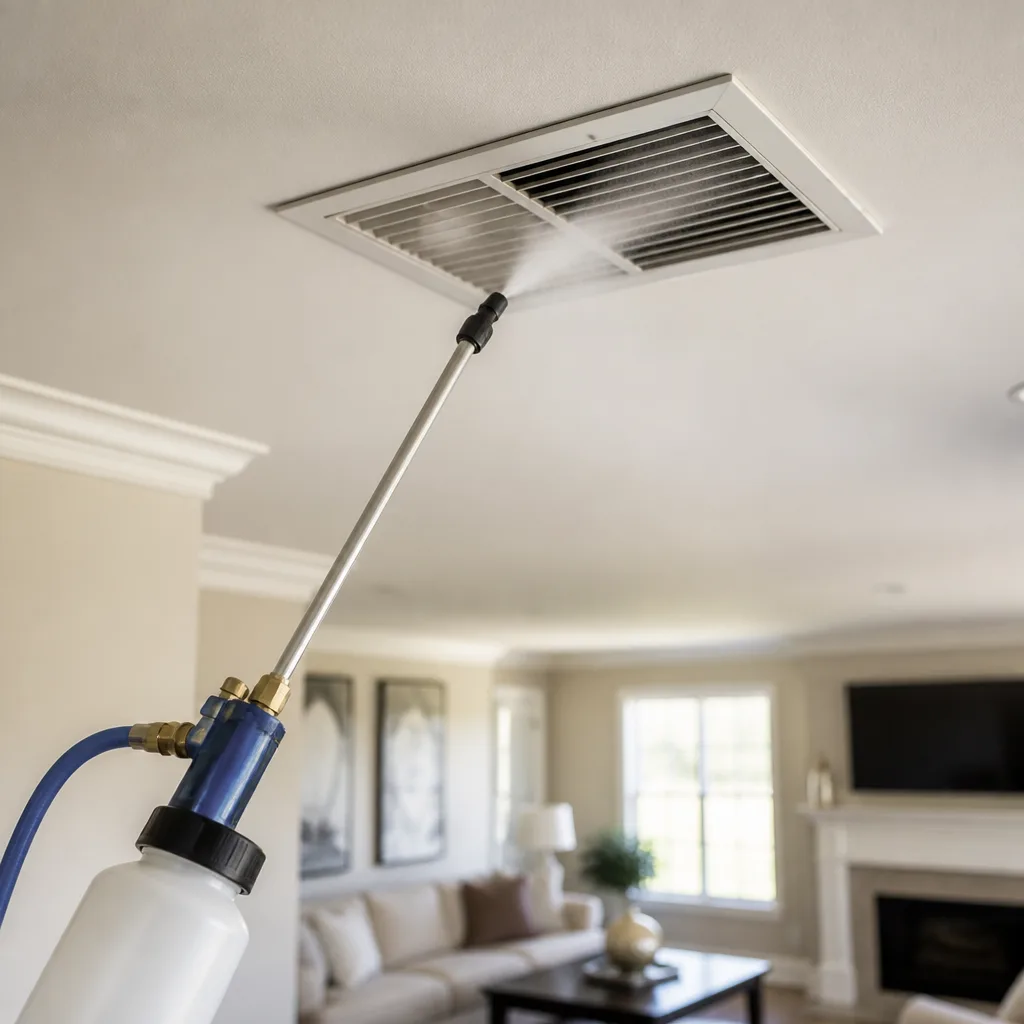 Sanitizing & deodorizing
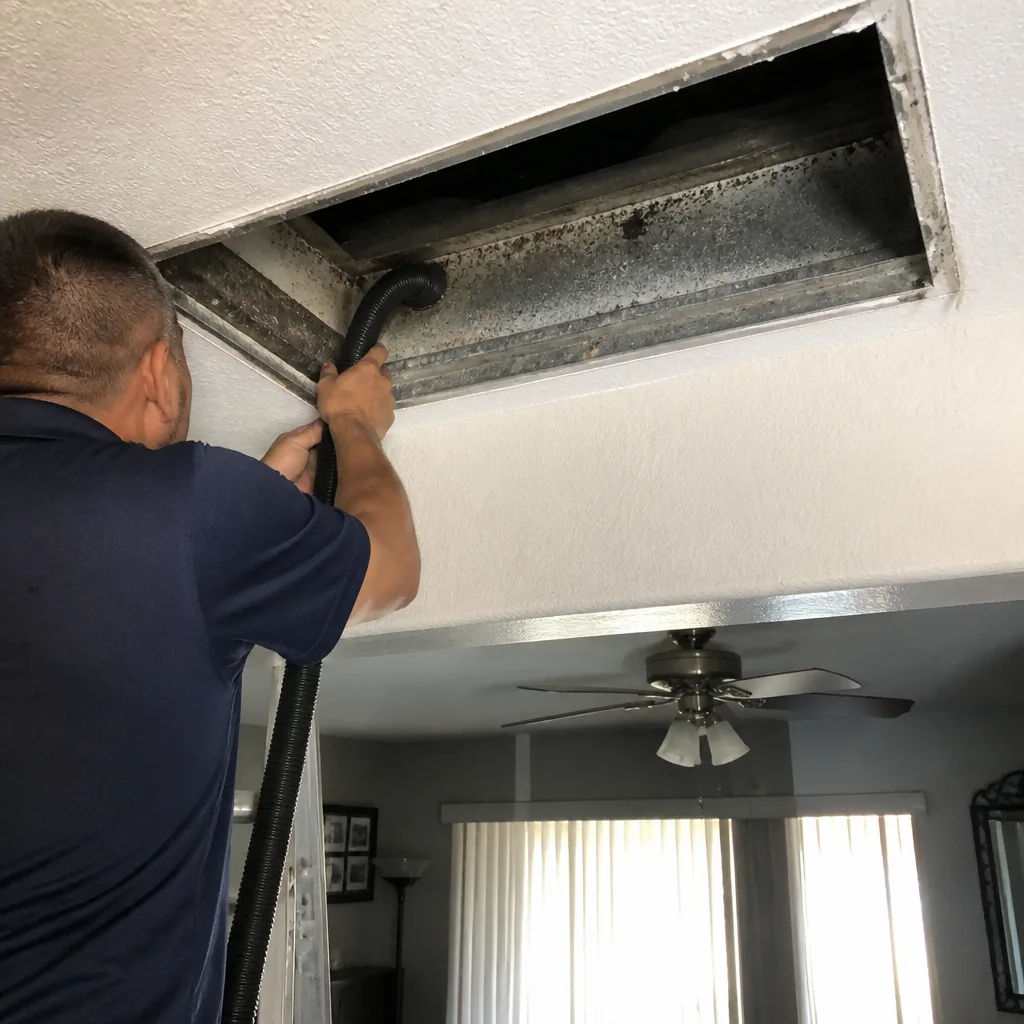
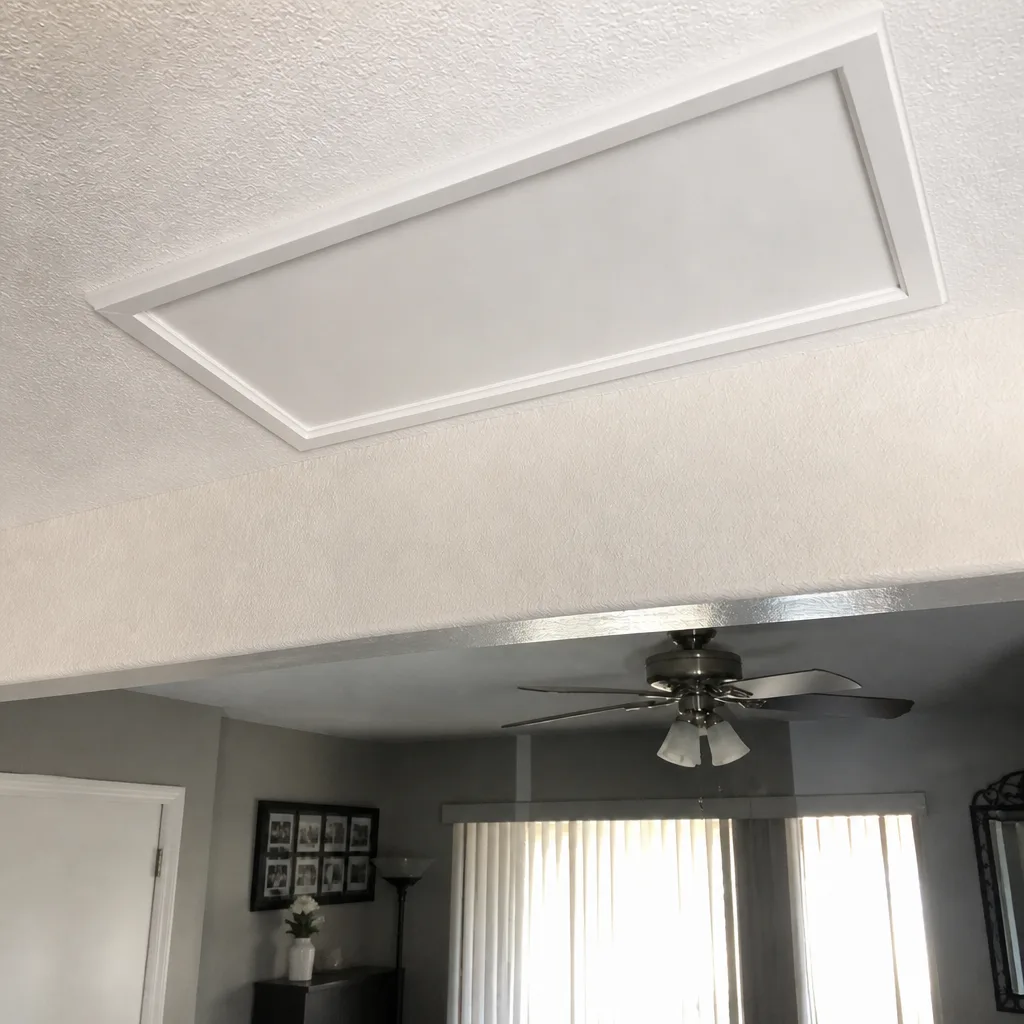
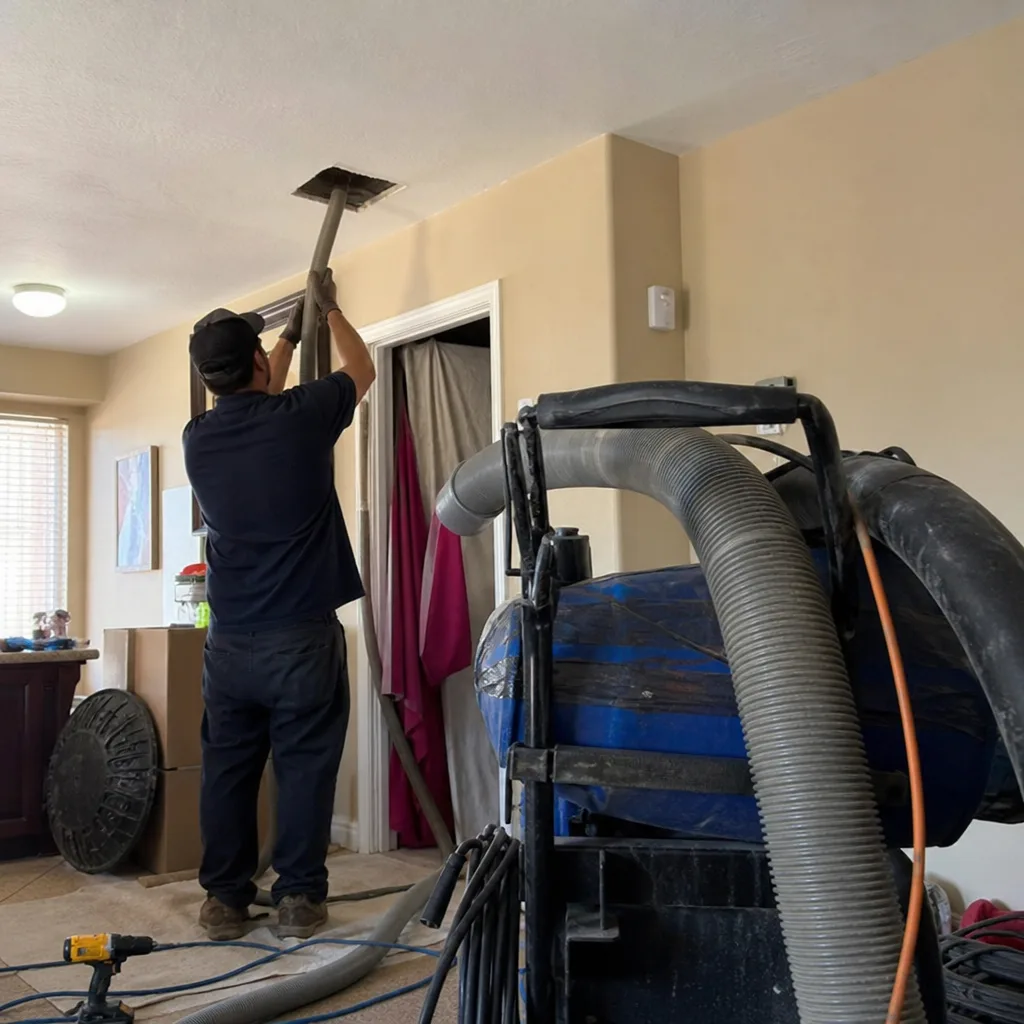
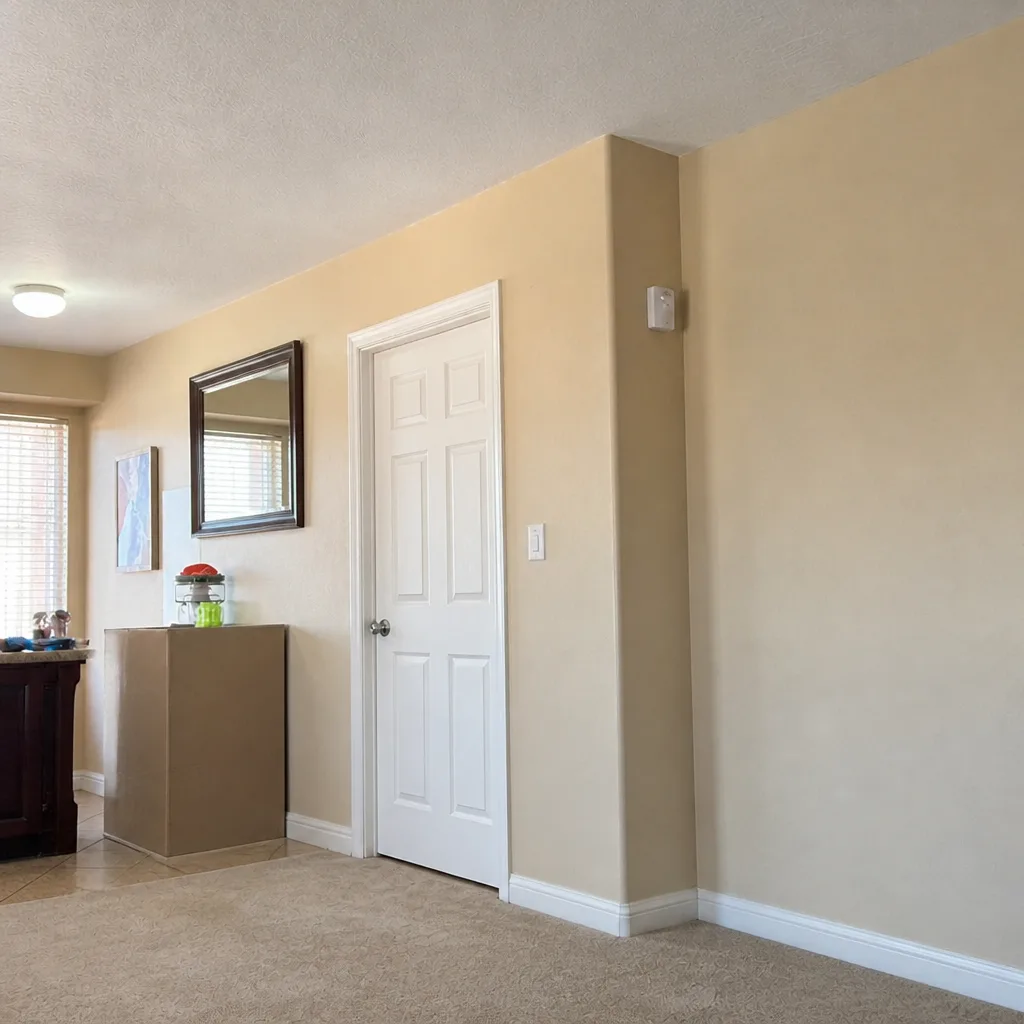
Whole-system duct and dryer vent check with before-and-after photos - you see exactly what came out of your vents
That "$99 whole-house special" is a bait ad - the real number appears once they are in your hallway, or the "clean" is a shop-vac at the register. We photograph the inside of your ducts before and after instead.
Air Duct Cleaning Emergency Preparedness Guide for Tempe Homes
The dust that follows a haboob across the Valley doesn’t announce itself inside your house. It finds the return grille, loads into the ductwork while your system keeps running, and then recirculates through every room for weeks after the sky clears. Most Tempe homeowners wait until they notice a smell or a higher bill to act, and by then the particulate has already settled deep into the plenum and branch runs. This guide is about the first 24 to 72 hours after a dust event, monsoon flood, or wildfire smoke plume reaches Tempe – what to do before you flip the thermostat back on, what to document, and how to tell an ordinary cleaning from a job that needs remediation-grade equipment.
Quick Answer
After a haboob, monsoon flood, or heavy smoke event in Tempe, keep the HVAC system off until you’ve checked the return and filter, photograph and timestamp the conditions, then call for a professional inspection before running the system normally. If water entered the ductwork, treat the first 48 hours as a mold window and act accordingly. A standard cleaning handles dust loading; scenarios involving standing water or smoke-soaked particulate usually call for Abatement Technologies-level filtration and a full remediation protocol, not a shop-vac pass.
Styles & brands we work with
- Whole-home duct cleaning
- Dryer vent cleaning
- Camera inspection
- Sanitizing & deodorizing
Table of Contents
- Why Tempe’s Storm Calendar Creates Duct Problems Most Cities Don’t See
- Post-Haboob Protocol: When to Run the System and When to Leave It Off
- Post-Monsoon Flood Response and the 48-Hour Mold Window
- Wildfire Smoke Infiltration: Carbon Filtration vs. HEPA Inside Your Ducts
- What to Document Immediately After Any Event
- The Triage Decision Tree: Emergency Cleaning vs. Full Remediation
- Pre-Season Preparedness for Tempe Homes
- Common Mistakes to Avoid
- When to Call a Professional
- Frequently Asked Questions
Why Tempe’s Storm Calendar Creates Duct Problems Most Cities Don’t See
Tempe sits in a bowl of the Salt River Valley, and that geography shapes how airborne particulate moves through the metro. During monsoon season, gust fronts from collapsing thunderstorms push wall after wall of fine dust north and west across the East Valley. That dust is not coarse sand. The particles that make it into a return grille are small enough to stay suspended, which means they load into the filter, the return plenum, and the interior surfaces of the supply branches long before a homeowner sees anything on the furniture.
Then there’s the water side of the same season. Tempe’s monsoon storms drop a large share of their rain in short bursts, and low-lying streets around the Mill Avenue corridor and the neighborhoods south of Broadway Road can pond quickly. When water reaches a mechanical closet, a garage air handler platform, or a slab penetration where ductwork runs under the slab, it can enter the duct system without ever showing up as a wet spot on the living room floor.
Add wildfire smoke from fires in the surrounding mountains and the Tonto National Forest, and Tempe ends up with three distinct duct events in a single year: fine particulate loading, water intrusion, and smoke infiltration. Each one calls for a different response. Treating all three the same way is the mistake this guide exists to prevent.
We work in Tempe homes every week and see the pattern repeatedly: the system runs through a dust event, the homeowner notices a musty smell three weeks later, and by then the contamination has moved from the filter to the duct surfaces. Timing is the variable that matters most.
Post-Haboob Protocol: When to Run the System and When to Leave It Off
The instinct after a dust storm is to flip the fan on and let the filter do its job. That’s usually the wrong first move. Running the system during or immediately after a haboob pulls unfiltered particulate straight into the return plenum at the moment when the air is still heavily loaded. The filter catches some of it, but the bypass around a poorly seated filter and the negative pressure that draws air around the cabinet door mean a meaningful share reaches the duct interior.
Heres a sequence that works for most Tempe homes:
- Keep the system off until the airborne dust has settled. If you can see visible haze outside or your wind gauge is still showing gusts, wait. Running the fan pulls suspended dust inside.
- Check the air filter before you restart. A filter that’s gray-brown and loaded after a haboob is doing its job. Replace it before the next run cycle rather than running a dirty filter through a freshly loaded return.
- Inspect the return grille and the area around the air handler. Look for visible dust accumulation, gaps at the return box, or a filter slot that doesn’t seal. Those are the paths that bypass the filter entirely.
- Run the fan on low for the first cycle and listen. A grinding, humming, or reduced airflow is a signal that something has been pulled into the blower or the evaporator coil. Shut it off if you hear it.
- Book a professional inspection if the loading was heavy. A haboob that left visible dust on windowsills and furniture almost always reached the duct interior. Our technicians have up to 10 years of experience reading that exact signal.
The other thing to know about haboob dust is that it carries mineral particulate. That’s fine in small amounts, but it abrades blower wheels and coats evaporator coils. In a Tempe home where the system runs much of the year, that coating reduces cooling capacity and raises the bill long before it shows up as a visible problem. Cleaning it out is a maintenance action, not a repair, but the difference in efficiency is real.
When the dust event is severe
If a storm was strong enough to blow dust through window seams and under door sweeps, assume the duct system took on particulate beyond what the filter can handle. That’s the point where a professional air duct cleaning becomes the sensible next step rather than another filter swap. We use a Rotobrush rotary-brush system to agitate the duct interior mechanically and a Nikro negative-air machine to capture the dislodged debris at the source, so the dust comes out rather than getting pushed into the room. That combination is the professional standard for a reason: it removes contamination instead of redistributing it.
What to do with the filter after a haboob
Replace it. Running a loaded filter through another cycle just forces particulate around the pleats and into the return. Keep a spare MERV-rated filter on hand during monsoon season. If your system uses a 1-inch slot, you’ll want a filter rated for the dust load in this climate, not the cheapest pleated panel on the shelf.
Post-Monsoon Flood Response and the 48-Hour Mold Window
Water in the duct system is a different class of emergency from dust. The critical window is the first 48 hours. After that, mold growth on the porous interior surfaces of insulated flex duct and on the fibrous liner of sheet metal duct becomes much harder to address with cleaning alone.
Here’s where water gets in for Tempe homes:
- Slab penetrations. Many Tempe homes have ductwork running beneath the slab. When exterior grading or a flooded mechanical closet directs water toward those penetrations, it can seep in without leaving a puddle indoors.
- Garage air handler platforms. A platform-mounted air handler in the garage sits at floor level. A monsoon-driven flash flood that pushes water under the garage door can reach the unit and the plenum above it.
- Attic duct runs after roof penetrations. Water that gets past a compromised roof jack or vent boot can track along the duct insulation and enter the supply trunk.
- Evaporator coil drain pan overflow. A clogged condensate drain during a humid monsoon week can overflow the pan and saturate the plenum insulation.
If you know or suspect that water entered the duct system, shut the HVAC off immediately and do not run it again until the system has been inspected. Running a wet system distributes moisture through the entire pathway and accelerates mold growth on every downstream surface. Photograph everything before you touch it. Then call for an inspection that uses proper containment equipment.
This is where standard residential cleaning equipment stops being enough. A shop-vac pass on wet ductwork does not address mold spores in the liner, and it doesn’t dry the system. Our approach uses Abatement Technologies air filtration equipment – the same equipment class used in professional mold and remediation projects – to set up containment and evaluate what the interior of the ductwork actually looks like before deciding on the scope of work. That’s a higher bar than most residential cleaners will bring to a water intrusion call, and it’s the right bar.
What happens if you wait
Mold doesn’t need a lot to colonize ductwork. Moisture, a porous surface, and the dust that’s already present as a food source get the process started. By the time a homeowner notices the musty smell coming through the supply registers, the growth is established. Acting within the 48-hour window usually keeps the job in the “clean and dry” category. Waiting often moves it into “contain and remediate.”
The repair question that follows
Water damage frequently reveals compromised duct connections. That’s where our Air Duct Repair service matters. The job doesn’t end at a written recommendation to find someone else. If the inspection finds a detached branch, a crushed flex run, or a failed connection that let water in, we can identify and repair it in the same visit scope. That’s how we keep dryer vent cleaning and duct repair in one company rather than sending you to a second contractor.
Wildfire Smoke Infiltration: Carbon Filtration vs. HEPA Inside Your Ducts
Smoke from a wildfire is not the same problem as dust. The visible plume is the least of it. The fraction that matters inside a duct system is the fine particulate and the volatile organic compounds that ride with it. Those compounds are what people actually smell, and they’re what settles onto duct surfaces and into insulation over the days a smoke plume lingers over the Valley.
Homeowners often assume a HEPA filter solves the problem. It doesn’t, and understanding why is useful:
- HEPA captures particles. It’s excellent at trapping fine particulate, and it’s the right tool if the goal is particle removal. HEPA alone does not remove odors or the volatile compounds that cause them.
- Activated carbon adsorbs gases and odors. Carbon filtration is what addresses the smell and the chemical load. A carbon filter or carbon-impregnated media is what most smoke-impacted homes actually need in the short term.
- The duct interior is a different surface from the airstream. Filters work on air passing through them. Duct surfaces hold what has already deposited. If smoke has been infiltrating for days, the duct interior needs assessment, not just a better filter.
What a professional remediation-grade assessment looks for inside a smoke-impacted duct system:
- Visible staining or discoloration on duct interior surfaces. Smoke leaves a fine brown-gray film that a camera inspection reveals in the branches a homeowner can’t see.
- Odor persistence after the outdoor air clears. If the smell lingers in the house after the smoke plume has moved on, the source is inside the system, not outside.
- Filter and return plenum loading. This tells the assessor how far into the system the smoke has traveled and how much has bypassed the filter.
- The state of the insulation liner. Fibrous liner traps odor compounds in a way that bare metal does not. Liner condition often drives the scope of work.
Post-cleaning filtration is the second half of the job
Cleaning a smoke-impacted duct system without addressing filtration afterward is a temporary fix. We work with Honeywell and Aprilaire whole-home air quality equipment because those are the standards for post-cleaning filtration upgrades in this climate – carbon media for odor and gas control, higher-MERV filtration for particulate, and the right cabinet to hold it. Clean ducts are the starting point; the right filtration is what keeps them that way through the next smoke season.
What to Document Immediately After Any Event
Documentation is the step homeowners most often skip, and it’s the one that matters most if an insurance claim is coming. Once a cleaner has been through the system, the evidence of what happened is gone. Photograph first, clean second.
Here’s what to capture:
- Photos of the storm conditions outside. Dust on window sills, water at the garage door line, visible smoke haze. Timestamped phone photos are enough.
- Photos inside before you touch anything. The return grille, the filter in place, the air handler cabinet, and any visible water or staining near the mechanical closet.
- Photos of the filter as you pull it out. The load pattern tells a technician a lot about how much particulate reached the duct interior.
- System runtime logs if your thermostat supports them. How many hours the fan ran during and after the event is useful for evaluating loading.
- Written notes with timestamps. When the storm hit, when you shut the system off, when you turned it back on, and what you noticed at each step.
- Receipts and invoices from any prior service. If the ducts were cleaned recently, that changes how the current event gets scoped.
Save the photos to a cloud folder and don’t edit them. Original file metadata is what carries weight in a claim. And don’t let a cleaner start work before you’ve captured everything – once the system has been cleaned, you can’t document what was there.
The Triage Decision Tree: Emergency Cleaning vs. Full Remediation
Not every post-storm scenario is the same. Here’s the decision logic we use when evaluating a Tempe home after a weather event:
Scenario 1: Dust loading only
No water entered the system, no visible mold, no persistent odor. The home took on heavy dust during a haboob or dust event. This is an emergency cleaning scenario. Schedule a mechanical agitation and negative-pressure cleaning, replace the filter, and inspect the coil while you’re in there. Rotobrush agitation plus Nikro negative-air capture handles this well.
Scenario 2: Water intrusion, less than 48 hours
Water reached the duct system, but the system has been shut off and inspected fast. This is a contain and dry scenario. Abatement Technologies filtration equipment goes in first to establish containment, the system is evaluated for visible growth, and the decision on cleaning scope is made based on what the inspection finds. Fast action usually keeps this in the manageable category.
Scenario 3: Water intrusion, more than 48 hours or visible growth
The 48-hour window has passed, or the inspection finds visible mold growth on the liner or duct interior. This is a full remediation protocol. It involves containment, negative pressure, removal of compromised porous materials where needed, HEPA-level filtration, and post-remediation verification. The scope is larger, and it should be – you don’t want a light cleaning on a system with active growth.
Scenario 4: Smoke infiltration with persistent odor
Smoke came through, the outdoor air cleared, and the house still smells. This is a smoke remediation scope that combines duct cleaning with carbon filtration evaluation. If the odor is deep in the liner, a cleaning plus post-cleaning carbon filtration upgrade is usually the right path.
Scenario 5: Structural damage discovered
The inspection finds a detached or crushed branch, a failed connection, or a compromised flex run. This moves into the Air Duct Repair scope. We repair what we find rather than writing a report that sends you to another contractor. That’s the advantage of having cleaning and repair under one roof – one visit scope, one company to coordinate with.
Pre-Season Preparedness for Tempe Homes
The best response to a duct emergency is prevention. Tempe’s storm calendar is predictable enough that a few pre-season steps cover most of it:
- Stock spare filters before monsoon season. Keep at least two on hand so you can replace a loaded one immediately after a dust event without a store run.
- Seal the return filter slot. A filter that doesn’t seat properly is a permanent bypass. A small weather-strip or a filter-frame gasket closes the gap.
- Check exterior grading near slab penetrations. Water should drain away from the foundation, not toward the duct penetrations. A few bags of soil and a gentle slope fix most problems.
- Inspect the garage air handler platform before storm season. Look for water staining on the platform or the plenum insulation from prior seasons. That history predicts what the next storm will do.
- Note the dryer vent routing. A clogged dryer vent and a flooded mechanical closet in the same storm is a much bigger problem than either alone. Regular dryer vent cleaning keeps the vent clear so a storm event doesn’t compound the risk.
- Keep a camera roll dedicated to the home. A “storm prep” folder with current photos of the mechanical equipment makes the after-event documentation step faster and more useful.
Guardsman surface-protection products are part of how we handle the interior of the home during a service visit – the equipment and the process around it should protect your floors, walls, and furnishings, not leave a mess behind.
Common Mistakes to Avoid
- Running the system during a haboob. The fan pulls suspended particulate into the return plenum at the worst possible moment. Wait for the airborne dust to settle before you flip the thermostat back on.
- Assuming a filter swap is enough after a heavy dust event. The filter catches what passes through it, but the bypass around a poorly seated filter and the loading that reaches the plenum after a severe haboob are beyond what a filter can handle.
- Waiting past the 48-hour window after water intrusion. Mold colonization in wet ductwork moves faster than most homeowners expect. The difference between a clean-and-dry job and a full remediation protocol often comes down to how quickly the system was shut off and inspected.
- Cleaning before documenting. Once the duct system has been cleaned, the evidence of what happened is gone. If an insurance claim is possible, photograph and timestamp everything before a technician starts work.
- Treating wildfire smoke as a filtration problem alone. A higher-MERV filter is not the answer for smoke odor. The duct interior is a separate surface, and persistent odor after the outdoor air clears usually means the system needs assessment, not just a better filter.
- Hiring a cleaner without repair capability. If the inspection finds a detached branch or a crushed run, a cleaning-only company writes a report and leaves. Confirm the company can repair what it finds before you book the job.
- Skipping the dryer vent in the same visit. A clogged dryer vent is a fire risk, and it’s a maintenance item most homes forget. Booking cleaning and vent work together covers both without a second scheduling call.
When to Call a Professional
Call a professional duct service in Tempe when any of these apply: water reached the duct system and the 48-hour mold window is closing; smoke odor persists in the house after the outdoor plume has moved on; the system makes a grinding or humming noise after a dust event; the filter has been replaced and the musty smell returns within a week; or the home has a slab penetration near a flooded mechanical closet. Each of these is a scenario where a shop-vac pass does not resolve the problem. We use contractor-grade Rotobrush and Nikro equipment alongside Abatement Technologies air filtration for the scenarios that need remediation-level containment. Duct Cleaning Tempe offers free estimates in Tempe – call (866) 261-1801. We answer 24/7. Fast dispatch from 7am to 7pm, Sunday through Friday.
Frequently Asked Questions
Schedule the inspection within a few days of the storm, once the airborne dust has settled and you’ve replaced the filter. Running the system through the storm loads the return plenum and the branch runs, and the particulate that reaches the duct interior gets recirculated every time the fan cycles until it’s removed. Call (866) 261-1801 for an estimate – free, and it’s the fastest way to know whether you’re looking at a cleaning or something larger.
No. Shut the system off immediately and leave it off until it’s been inspected. Running a wet system distributes moisture through the entire duct pathway and accelerates mold growth on every downstream surface. The 48-hour window matters – after it closes, a simple cleaning often becomes a full remediation protocol. Call (866) 261-1801 to book an inspection; estimates are free.
It can, but only if the cleaning is paired with the right filtration afterward. The odor compounds settle onto duct surfaces and into the insulation liner, and cleaning removes what has deposited. Post-cleaning carbon filtration – we recommend equipment from Honeywell and Aprilaire – handles the ongoing gas and odor control that a higher-MERV filter alone cannot. Call (866) 261-1801 if the smell lingers after the outdoor air clears.
Photograph the return grille, the filter in place, the air handler cabinet, and any visible water or staining near the mechanical closet – all before anything gets touched. Timestamped phone photos are enough. Include photos of the outdoor conditions if you can. Save the originals without editing, and take the photos before a technician starts work; once cleaning begins, the evidence is gone. Call (866) 261-1801 to schedule an inspection and we’ll walk you through the documentation.
The split comes down to whether water entered the system and how long it’s been there. Dust loading only with no water and no persistent odor is an emergency cleaning. Water intrusion caught within 48 hours is a contain-and-dry scope. Water past 48 hours or visible growth inside the ductwork is a full remediation protocol. We use Abatement Technologies air filtration equipment – the same class used in mold remediation projects – to evaluate what the interior actually looks like before we recommend a scope. Call (866) 261-1801 – estimates are free.
Yes. Our Air Duct Repair service covers detached branches, crushed flex runs, and failed connections, and we can evaluate and repair in the same visit scope as the cleaning. That’s the advantage of having cleaning, repair, and dryer vent work in one company – you don’t have to coordinate a second contractor after the inspection turns up a problem. Call (866) 261-1801 to book a service visit for your Tempe home.
The Bottom Line
Tempe’s storm calendar creates three separate duct emergencies each year – haboob dust loading, monsoon water intrusion, and wildfire smoke infiltration – and each one has its own response window. The haboob protocol is: keep the system off until the dust settles, replace the filter, inspect the return, and book a cleaning if the loading was heavy. The flood protocol is: shut the system off immediately, document everything, and act inside the 48-hour mold window. The smoke protocol is: assess the duct interior, then pair cleaning with the right carbon and HEPA filtration afterward. Document first, clean second, and be honest about which scenario you’re actually in. If the inspection turns up compromised ductwork, repair what you find rather than handing off a report.
Our technicians have up to 10 years of experience reading post-storm duct conditions, and we bring the professional-grade equipment – Rotobrush, Nikro, Abatement Technologies – that the scenario calls for. Free estimates for Tempe homeowners and property managers. Call (866) 261-1801. We answer 24/7. Fast dispatch from 7am to 7pm, Sunday through Friday. Visit our guide to Tempe service for more on how we work in this city, or start at Duct Cleaning Tempe and we’ll route you to the right next step.
Written by the team at Duct Cleaning Tempe.
See the difference
 Before
 After
 Before
 After
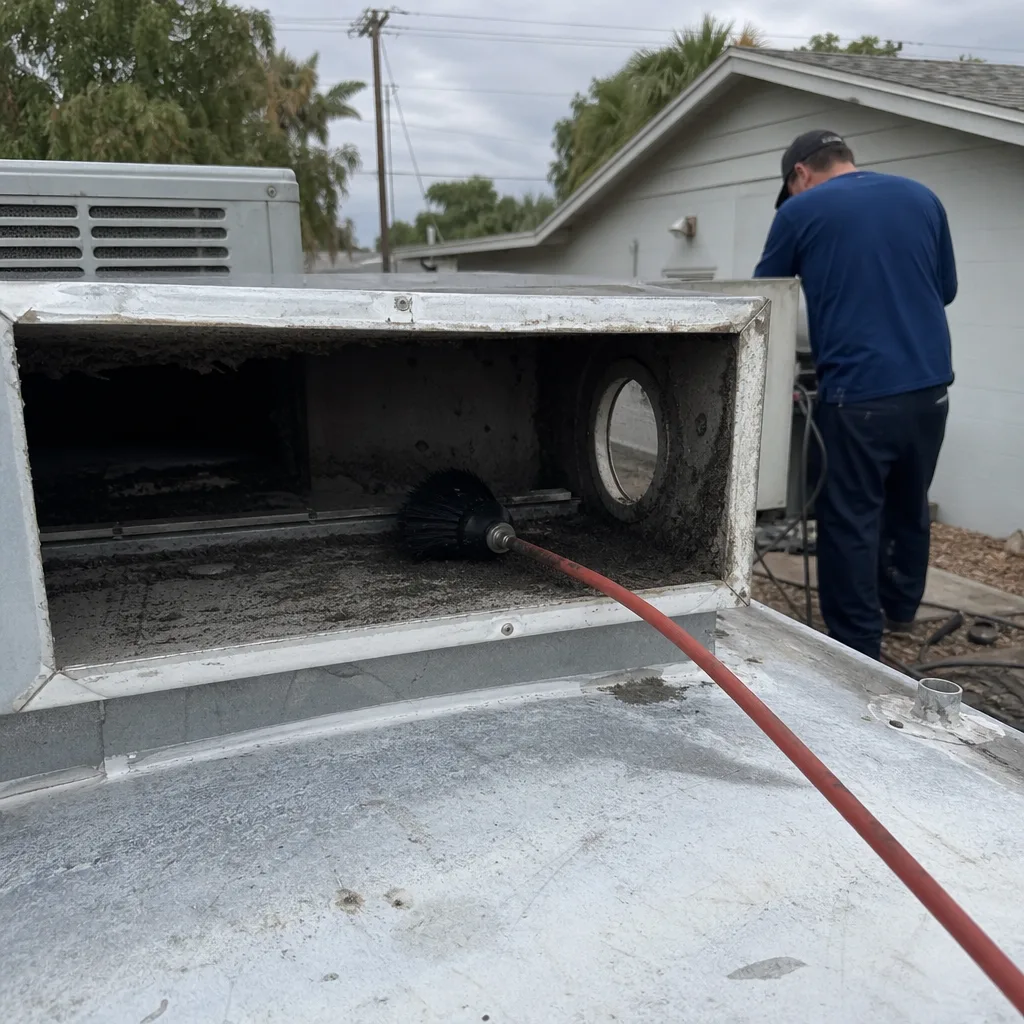 Before
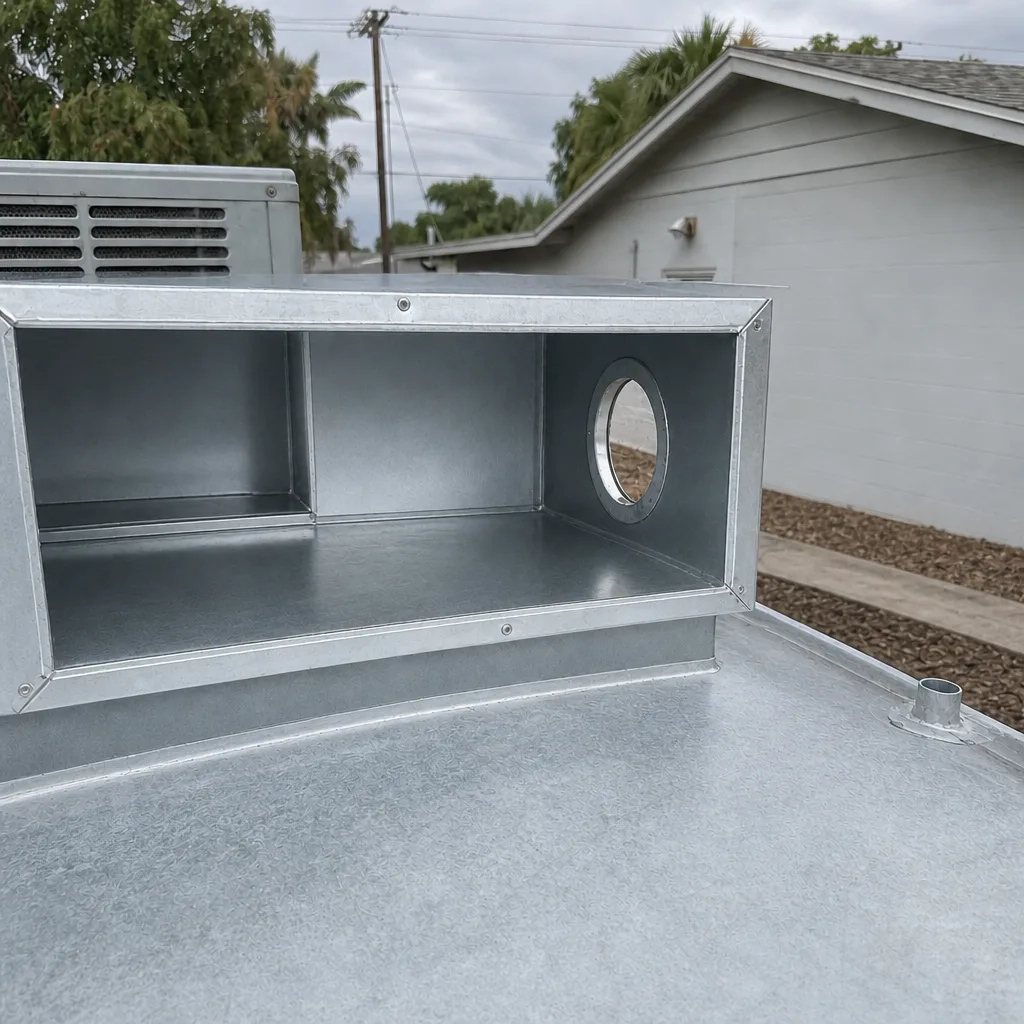 After